Introduction
Rubber granules are the foundation of many resilient flooring systems, but they cannot create a durable surface on their own. A PU binder plays a critical role by bonding rubber particles together and forming a flexible, stable and long-lasting surface. This article will explain what PU binder is, how it bonds rubber granules together, and why it matters for EPDM and rubber flooring systems.
What Is PU Binder?
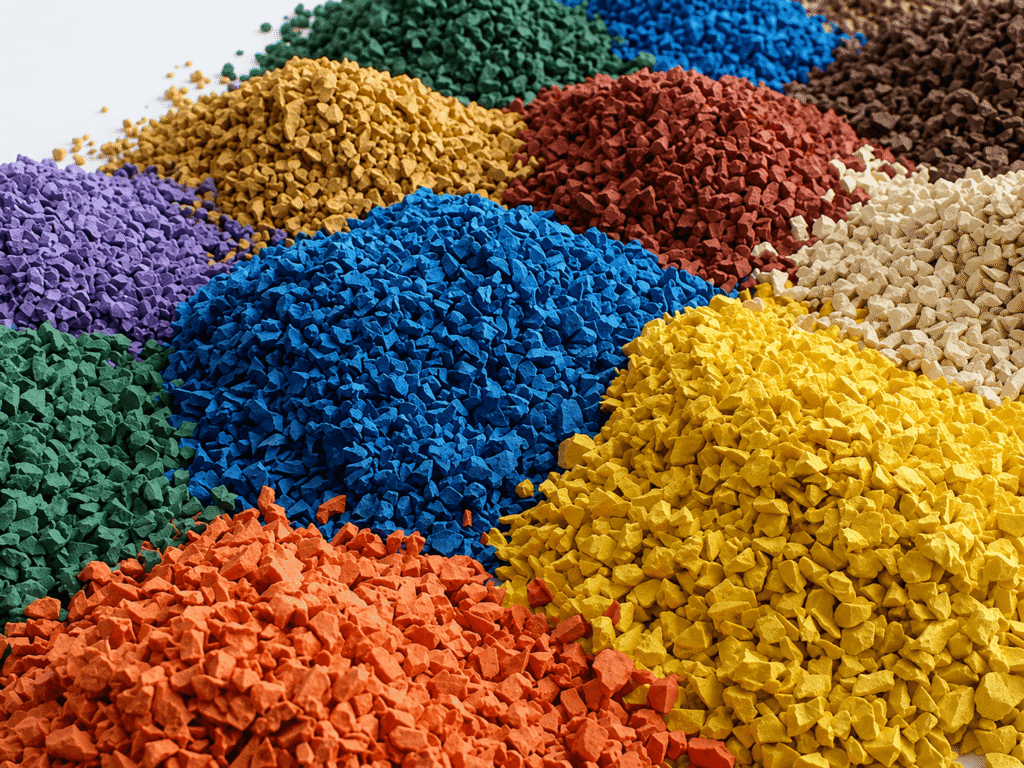
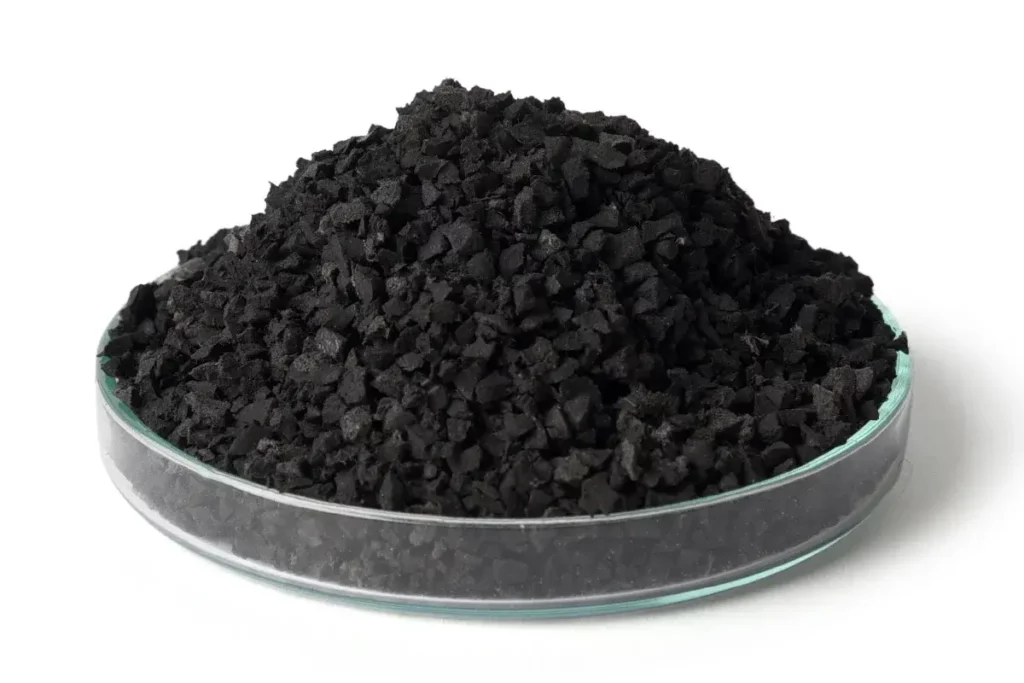
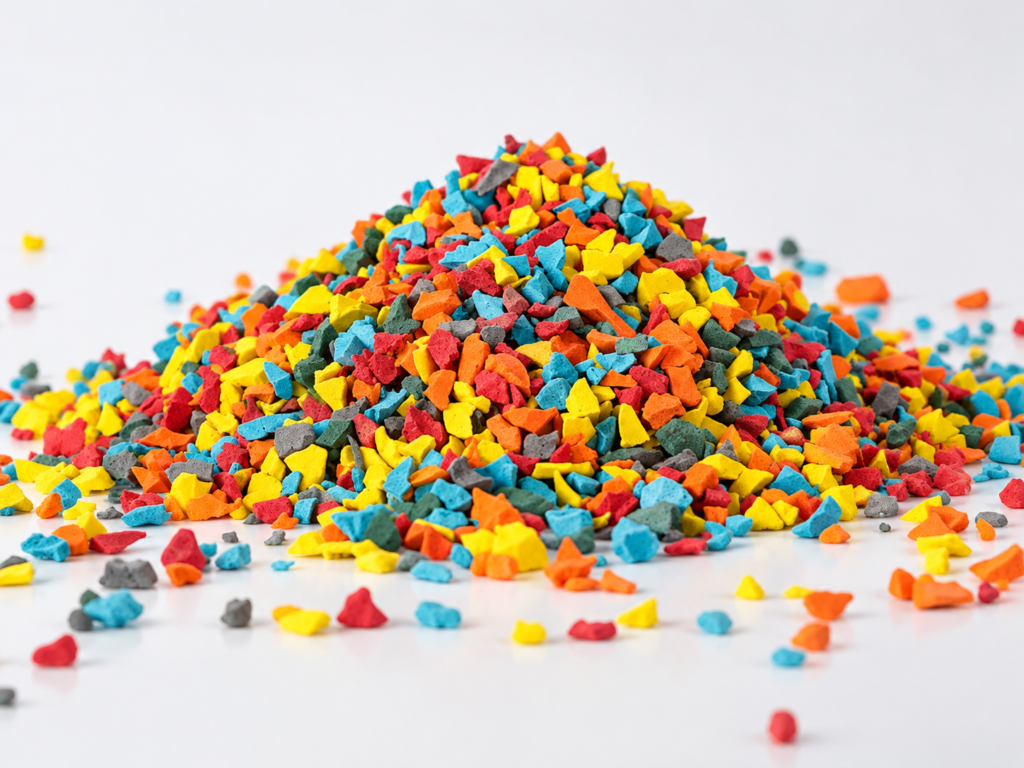
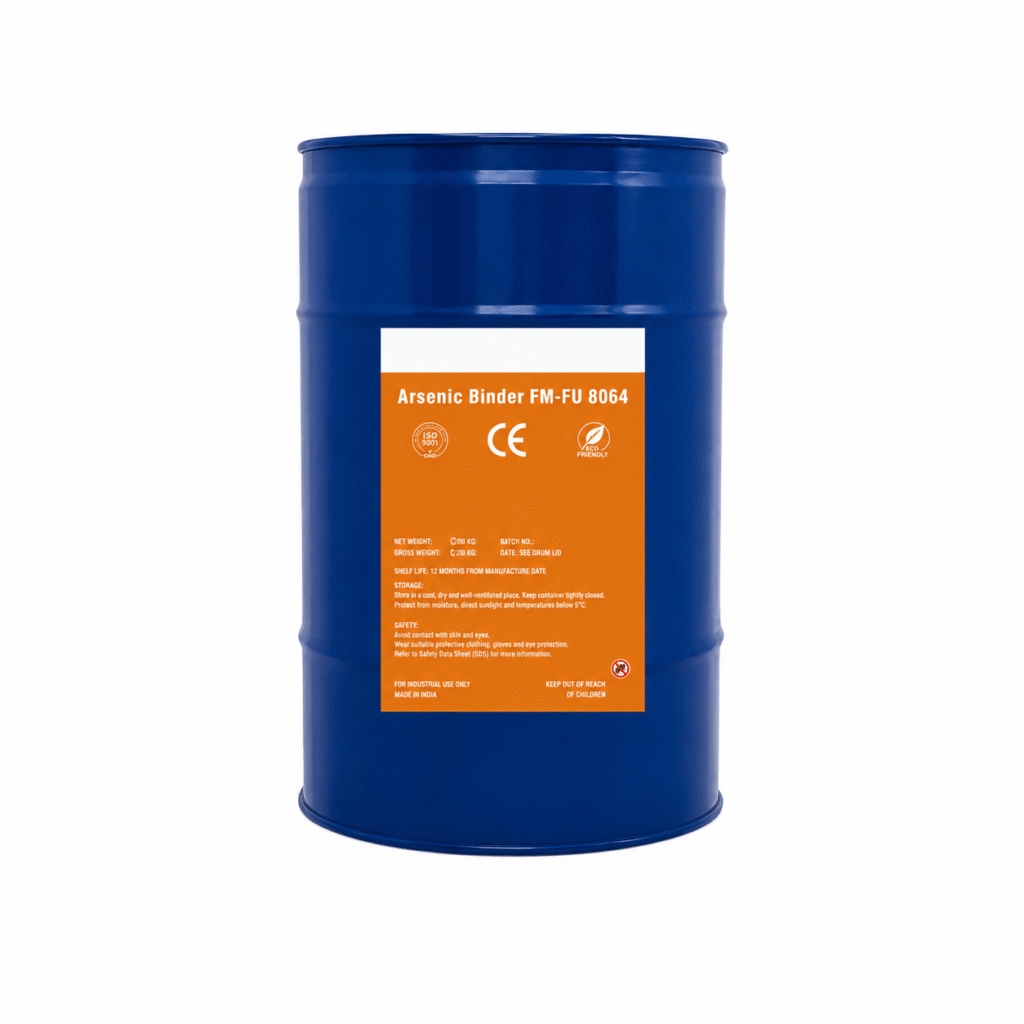
PU binder, short for polyurethane binder, is a bonding component used in rubber flooring systems to connect rubber granules together. When mixed with EPDM or SBR granules, it helps form a stable and flexible surface after curing.
In wet-pour rubber flooring applications, PU binder works as the connection between individual rubber particles, allowing the granules to form a continuous surface layer with reliable performance.
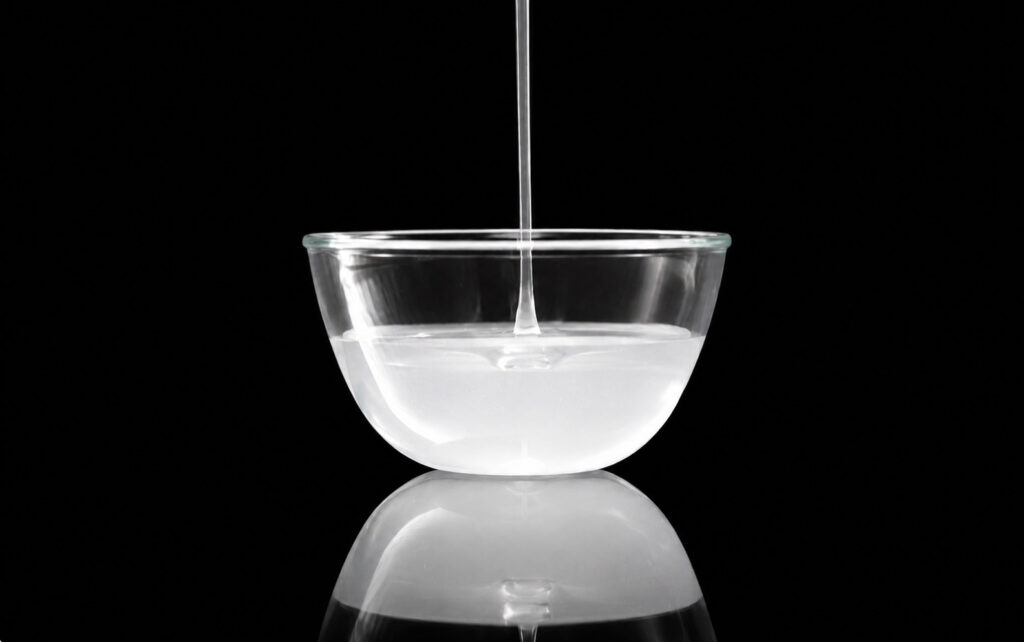
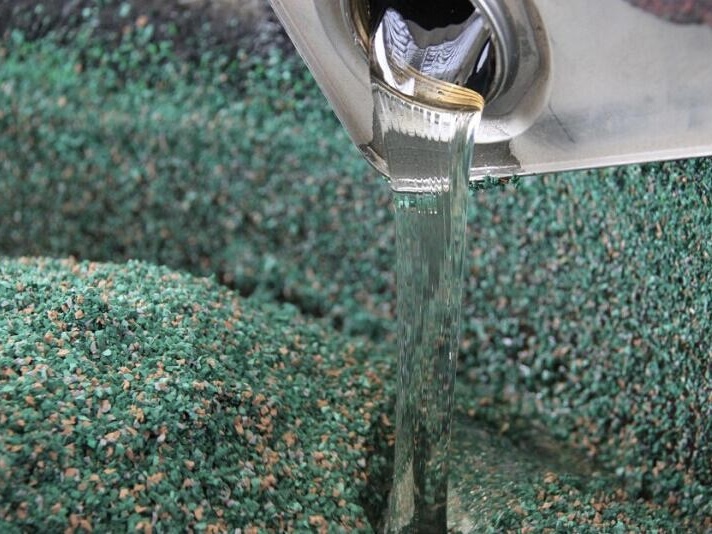
PU Binder Is More Than Just an Adhesive
Unlike general-purpose adhesives, PU binder is specifically developed for rubber surfacing applications where flexibility, elasticity and long-term performance are required.
Traditional bonding materials may lose flexibility over time and become more vulnerable to cracking or performance issues caused by temperature changes and moisture exposure. These limitations make them less suitable for demanding rubber flooring applications.
PU binder forms a flexible yet strong bonding layer between rubber particles, allowing EPDM and SBR granules to remain securely connected while maintaining the elasticity and comfort required for resilient flooring systems.
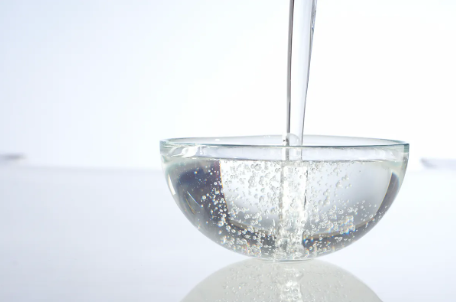
Designed for rubber flooring systems
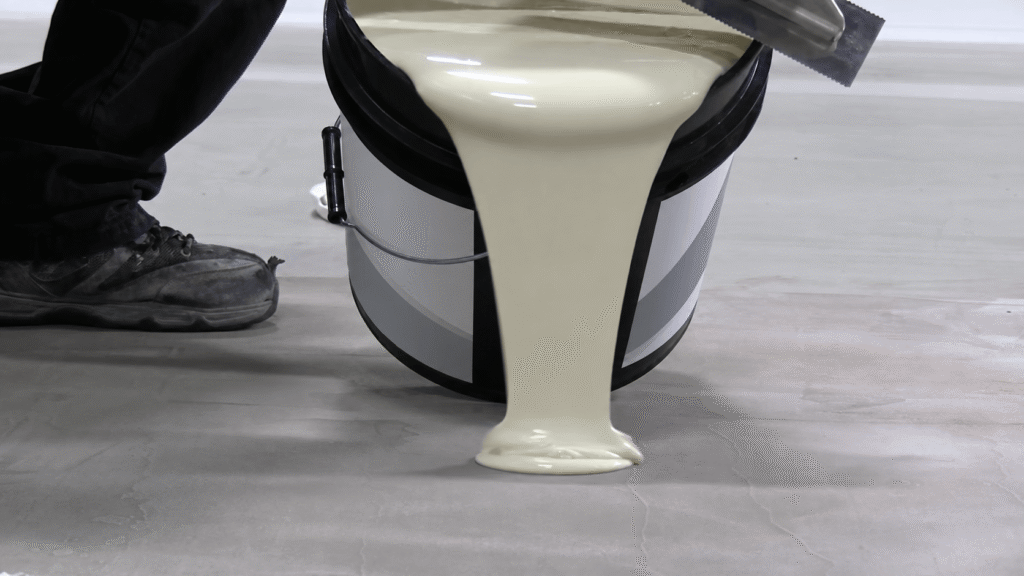
For general bonding applications
How Does PU Binder Work with Rubber Granules?
In wet-pour rubber flooring applications, PU binder works as the bonding component that transforms loose rubber granules into a stable and flexible surface. The process involves mixing, bonding and curing, allowing individual particles to form a continuous rubber layer.
▪Mixing Rubber Granules with PU Binder
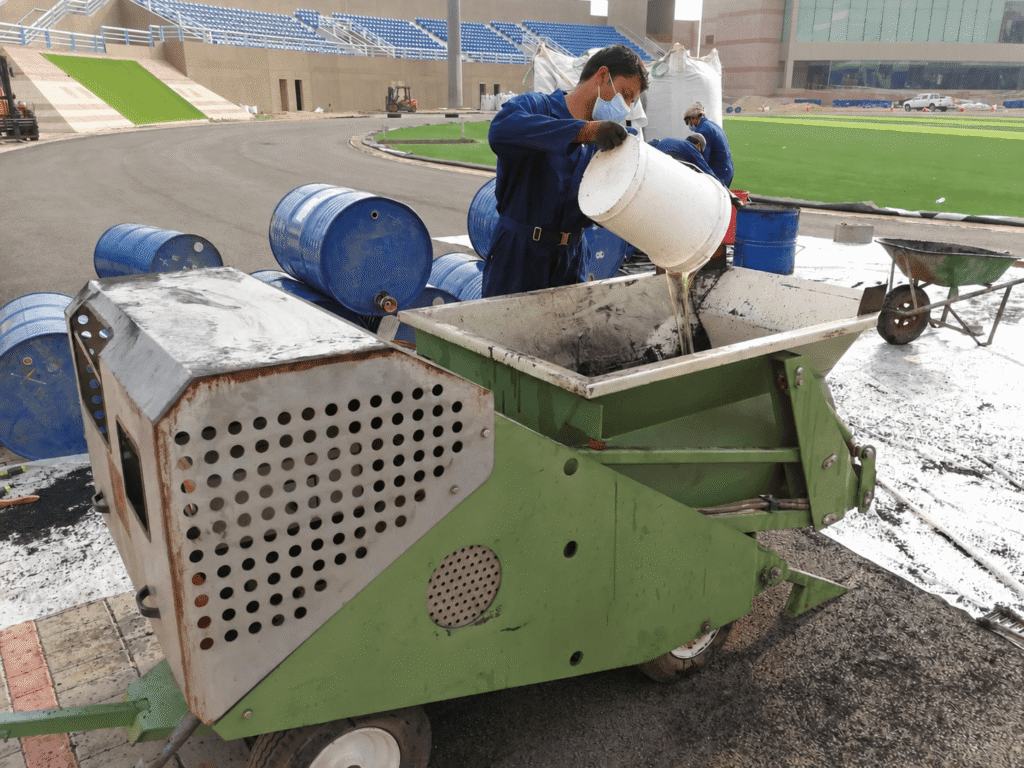
During wet-pour installation, PU binder is mixed with EPDM or SBR rubber granules to coat the individual particles evenly. This mixing process ensures that the granules can be properly bonded together during curing.
▪Creating a Strong and Flexible Bond
As the PU binder cures, it forms an elastic polyurethane matrix around the rubber particles. This structure locks the granules together while maintaining the flexibility required for rubber flooring applications.
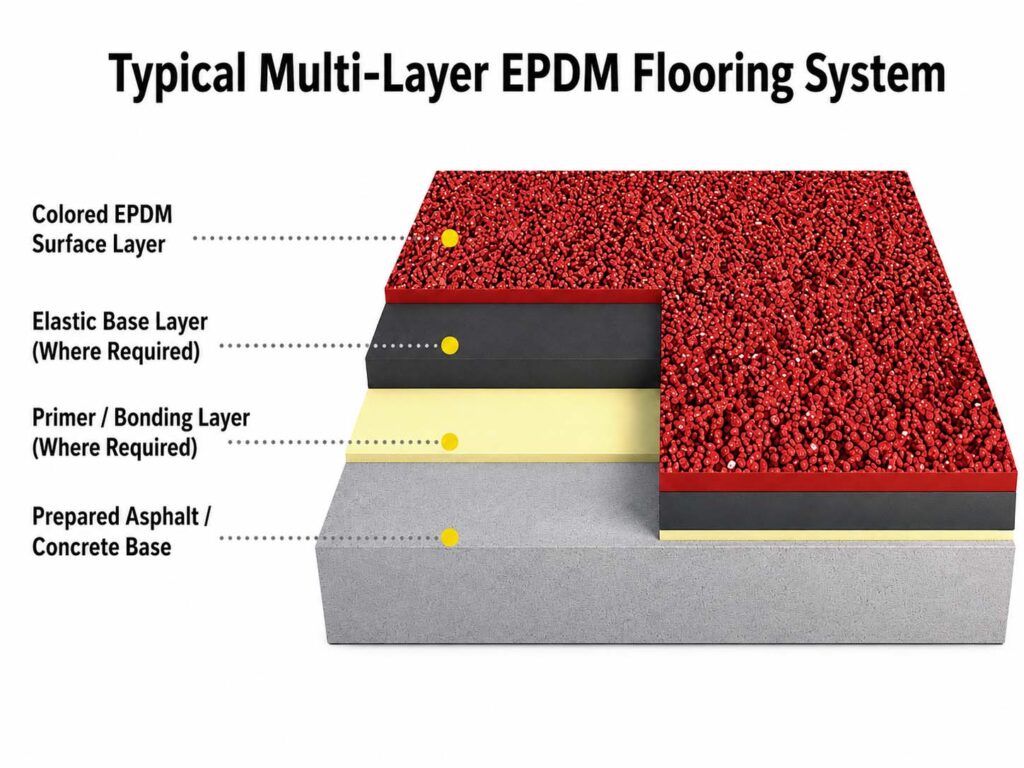
This multi-layer structure shows how different materials work together in an EPDM wet-pour flooring system. PU binder plays an important role in connecting rubber particles within the surface layers, while the overall system design determines the final performance.
Learn more about the EPDM flooring system structure and installation process.
▪Forming a Complete Rubber Surface
After curing, the rubber and binder mixture becomes a stable and continuous surface layer with durability, resilience and comfortable underfoot performance.

How to Choose the Right PU Binder for Rubber Flooring
Selecting the right PU binder for rubber flooring requires considering several factors, including the application type, rubber granule compatibility, installation method and expected environmental conditions. The suitable binder system should provide reliable bonding performance while matching the requirements of the overall flooring structure.
▪One-Component PU Binder for Rubber Granule Surfacing
One-component PU binder is a ready-to-use formulation designed for rubber granule surfacing applications. It can be directly mixed with EPDM or SBR granules during wet-pour installation, providing a practical solution for creating flexible rubber surfaces.
▪Two-Component PU Systems for Bonding Applications
Two-component PU binder consists of two separate components that are mixed before use. Compared with one-component binder systems, it is designed for bonding applications where a stronger adhesive connection between materials is required.
To better understand the differences between the two PU systems, the key characteristics are summarized below:
| Type | Typical Application | Component System | Cure / Working Time | Key Characteristics |
|---|---|---|---|---|
| One-Component PU Binder | Rubber granule surfacing (EPDM/SBR) | 1K / Single Component | Cure time: 8–36 h* | Ready-to-use formulation, suitable for wet-pour rubber flooring applications |
| Two-Component PU Adhesive | Bonding applications | 2K / Two Components | Working time: <60 min | A/B components mixed before application, suitable for specific bonding requirements |
Choosing the right PU system depends on your application requirements, installation method and project conditions. If you are unsure which option is suitable for your project, our team can help recommend the appropriate PU solution based on your needs.
▪Consider Outdoor Performance and Color Stability
For outdoor EPDM flooring applications, selecting the right PU binder involves more than bonding performance. Since PU binder is an essential component of the rubber surface system, its formulation and outdoor resistance can influence the long-term durability and appearance stability of the finished surface.
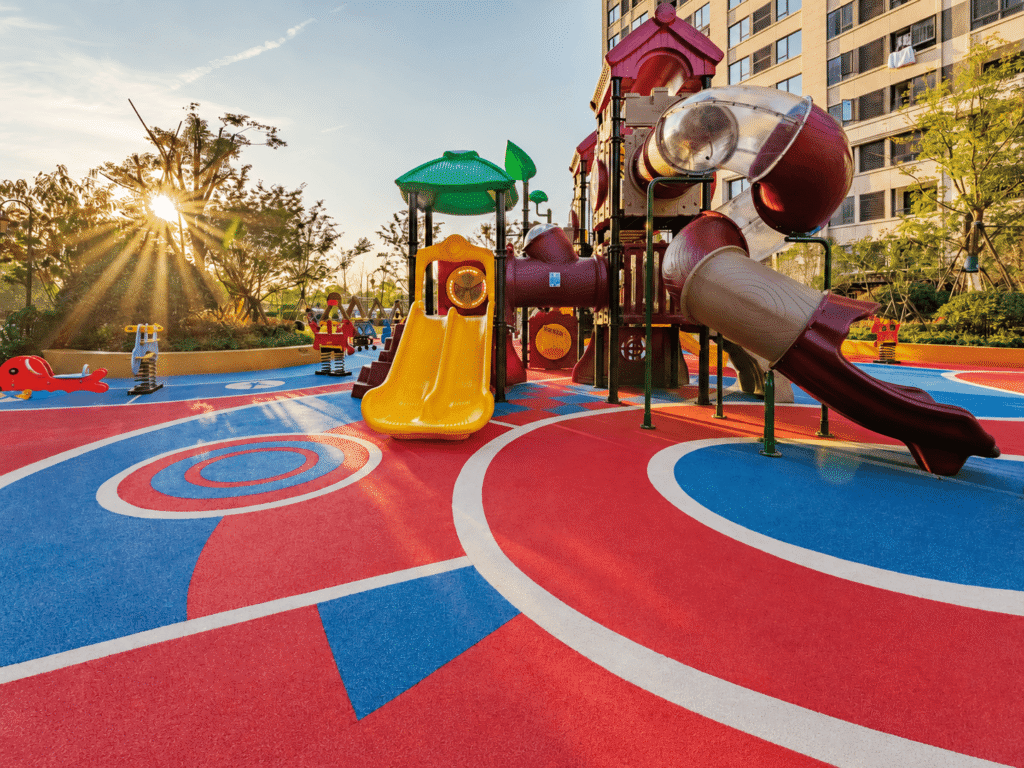
When choosing a PU binder for colored EPDM surfaces, factors such as UV exposure, environmental conditions and yellowing control should be considered. Rubflo MDI PU Binder is designed with yellowing control properties to help reduce color changes caused by outdoor exposure and support longer-lasting surface appearance.
Why Is PU Binder Important for Rubber Flooring?
PU binder is more than a bonding component in rubber flooring systems. It directly influences how rubber granules perform together as a finished surface. A suitable PU binder helps create a stable, flexible and durable flooring system for different applications.
01 Creates a Stable Rubber Surface
Rubber granules need proper bonding to form a continuous flooring surface. PU binder helps hold individual particles together, transforming loose granules into a stable rubber layer that can withstand regular use.
02 Maintains Flexibility and Performance
Unlike rigid bonding materials, PU binder is designed to maintain flexibility after curing. This allows the finished rubber surface to retain the resilience, comfort and impact-absorbing characteristics expected from rubber flooring systems.
03 Supports Long-Term Surface Durability
The compatibility between rubber granules and PU binder plays an important role in the overall performance of a flooring system. A suitable binder helps improve particle bonding and supports better resistance to daily wear and environmental exposure.
Conclusion
PU binder plays an essential role in creating reliable rubber flooring systems by connecting rubber granules and supporting the flexibility, durability and overall performance of the finished surface. Whether used with EPDM granules for visible wearing layers or SBR granules for cushioning layers, choosing the right PU binder is important for achieving consistent results.
If you are planning a rubber flooring project and need help selecting the right PU binder, EPDM granules or complete surfacing solution, contact Rubflo for professional recommendations based on your application requirements.
Products Mentioned in This Guide
The products discussed in this guide are key components commonly used in rubber flooring systems. From PU binder for bonding rubber granules to EPDM and SBR granules for different surface requirements, these materials work together to create reliable and durable rubber flooring solutions.