Introduction
EPDM rubber flooring has become an increasingly popular choice for playgrounds, sports facilities, schools and outdoor recreational spaces where safety, durability and design flexibility are equally important. Unlike traditional surface materials, EPDM systems provide a resilient and customizable solution that can adapt to different environments and performance requirements. This article explores EPDM rubber flooring, including its main types, wet-pour system structure, common applications and key factors to consider when selecting the right flooring solution.
What Is EPDM Rubber Flooring?
EPDM rubber flooring combines EPDM rubber granules with a polyurethane (PU) binder to form a seamless and durable surface layer.
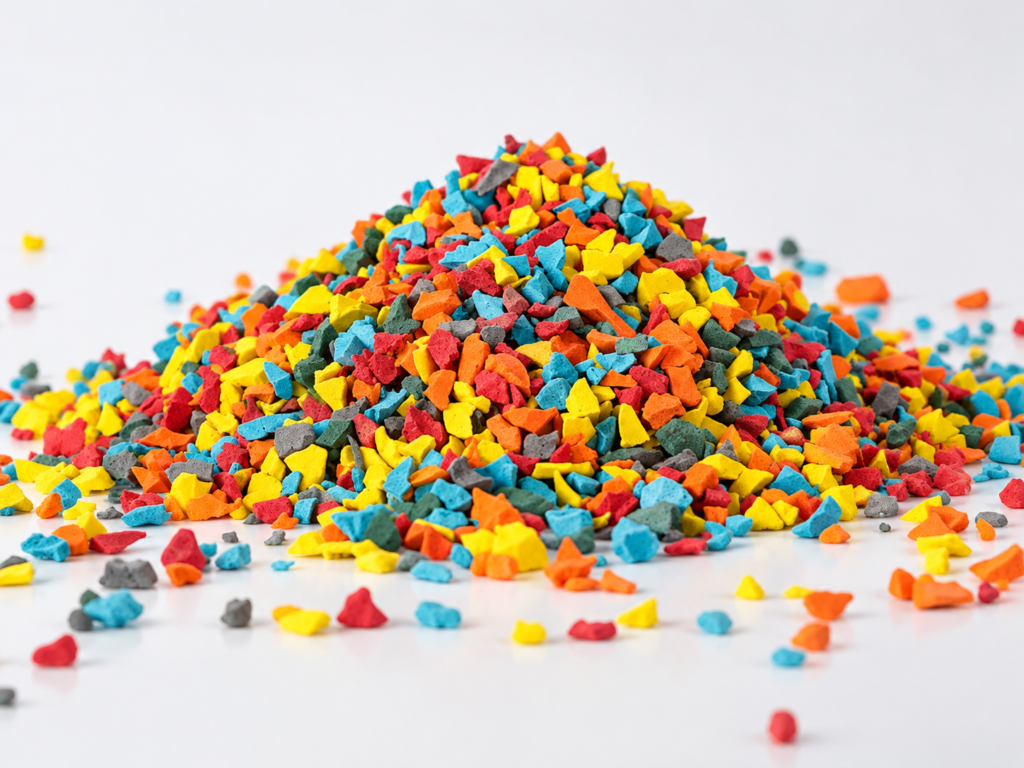
EPDM stands for Ethylene Propylene Diene Monomer, a synthetic rubber material known for its excellent color stability, weather resistance and long-term outdoor performance. In flooring applications, EPDM granules form the visible wearing layer and provide the surface appearance, texture and functional performance that users directly experience.
However, EPDM rubber flooring is not simply a layer of EPDM granules. A complete wet-pour (poured-in-place) system combines different components that work together to create a durable and functional surface. The EPDM granule layer provides the visible finish and surface performance, while the underlying base layer and polyurethane binder help create the required cushioning, stability and overall durability of the flooring system.
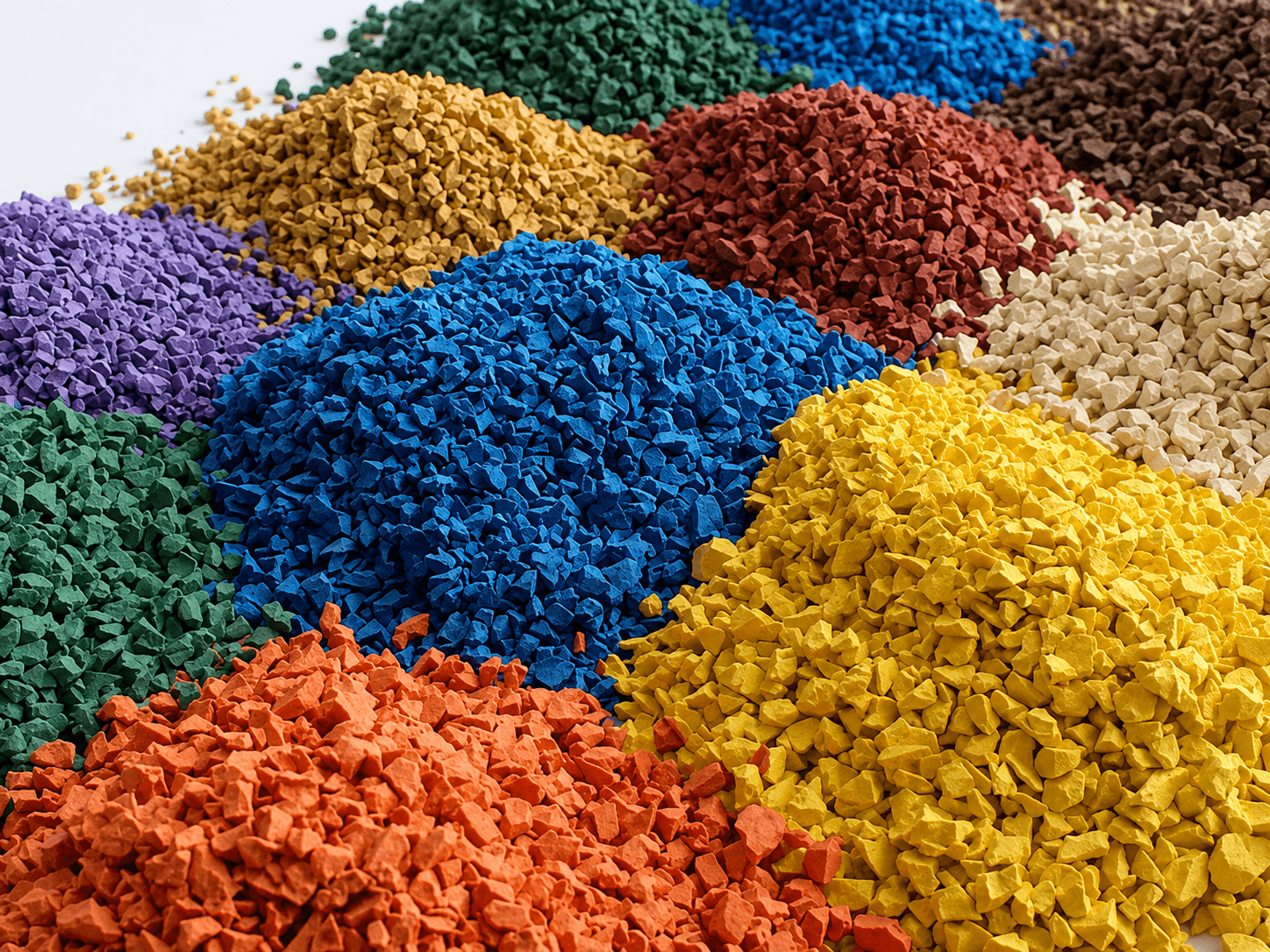 | 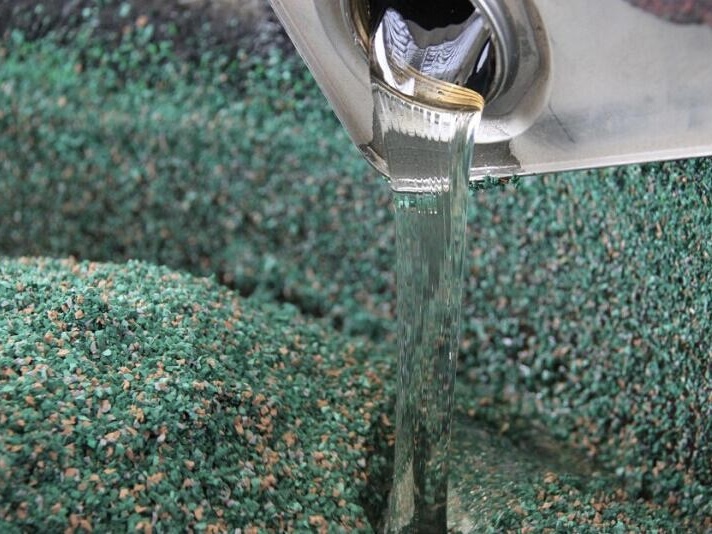 | 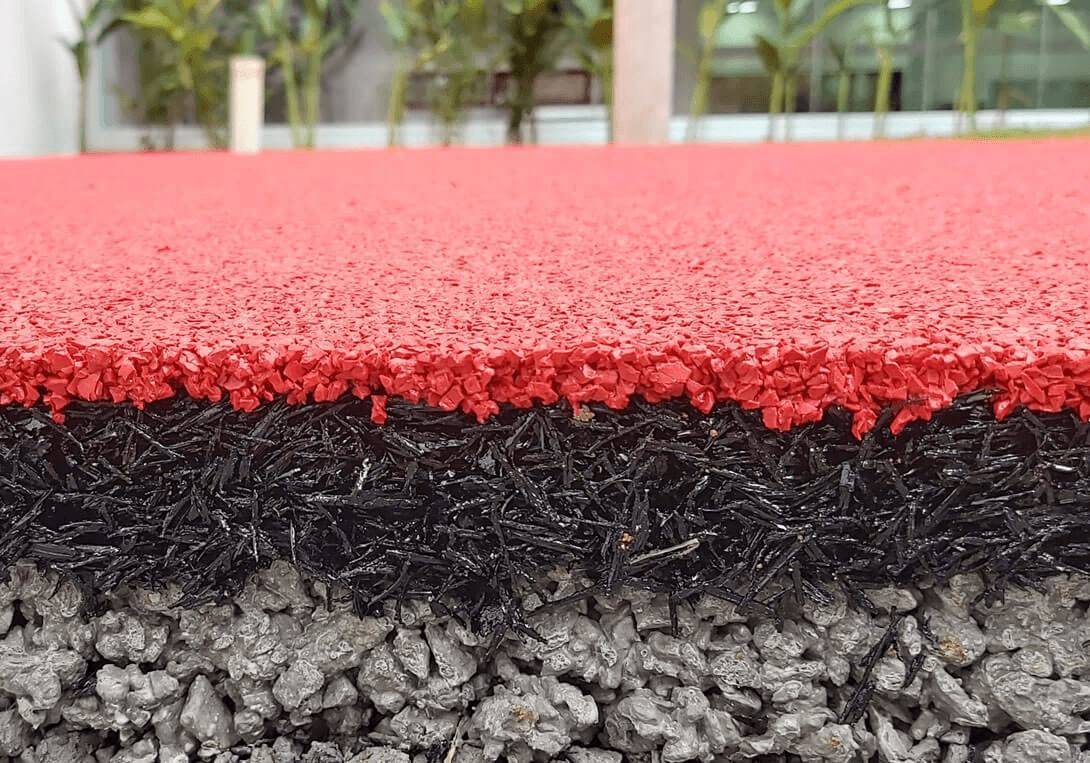 |
| Rubflo EPDM Rubber Granules Colorful EPDM particles used as the visible wearing layer in wet-pour flooring systems. | Rubflo PU Binder Polyurethane binder used to bond rubber granules and create a stable flooring surface. | The colored EPDM granule layer forms the visible wearing surface, while the underlying resilient layer provides cushioning and support for the complete system. |
Types of EPDM Flooring Systems
Rubflo offers EPDM flooring materials in different formats to meet various application, installation and performance requirements. EPDM granules commonly serve as the visible surface layer in wet-pour systems, while EPDM tiles and sheets provide alternative solutions for projects with different installation needs.
Poured-in-Place (Wet-Pour) Systems
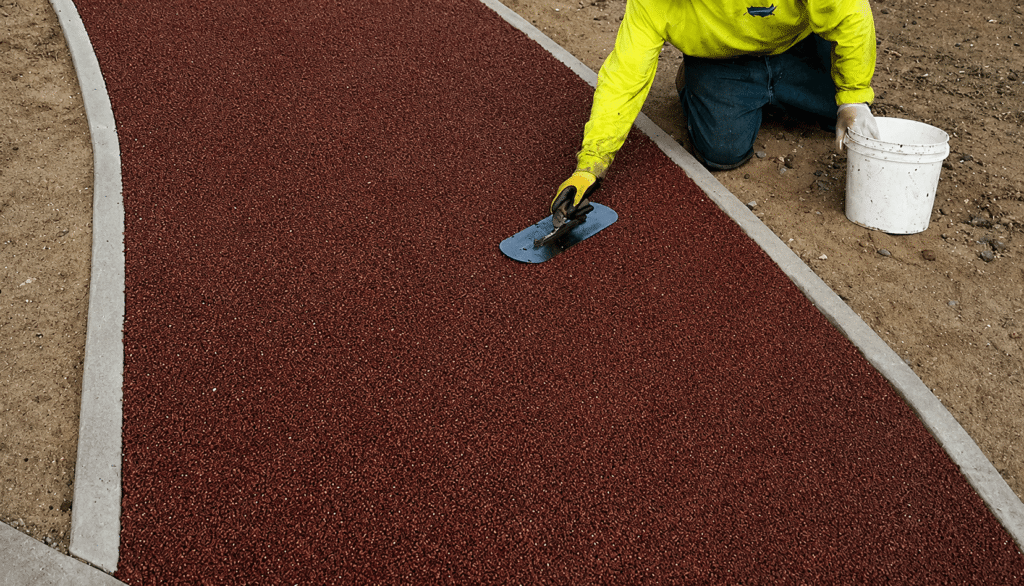
Wet-pour EPDM flooring is the most widely specified system for outdoor recreational and architectural applications. The installation process involves mixing EPDM granules with polyurethane binder and applying the mixture over a prepared base layer to create the finished surface.
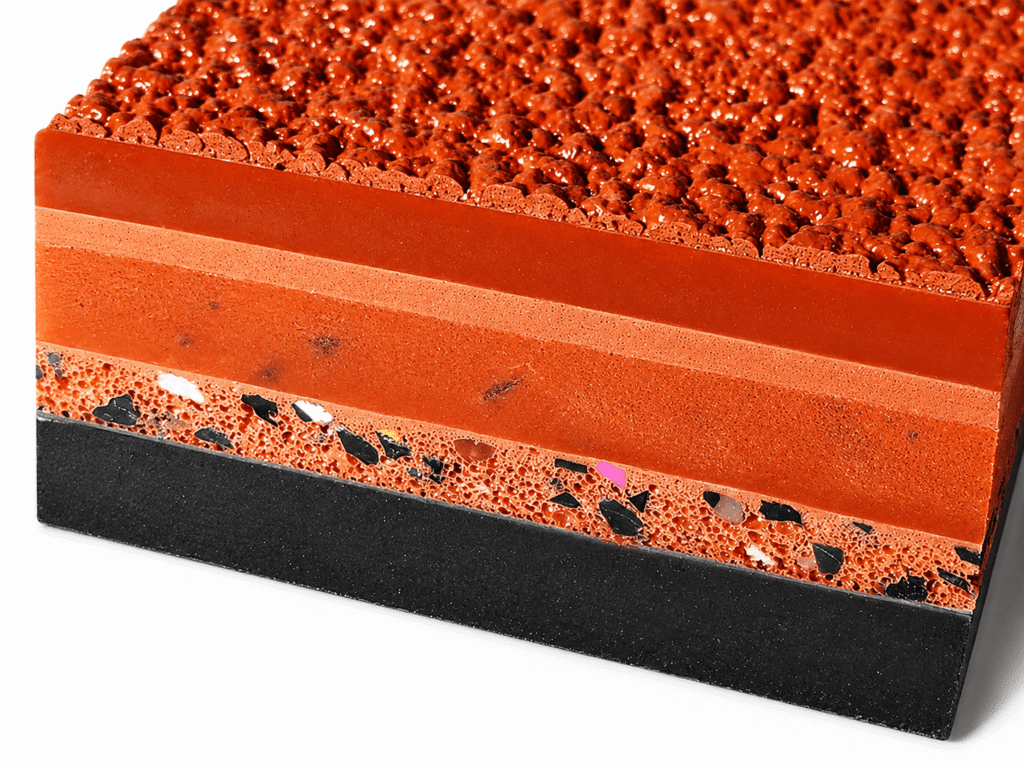
A typical wet-pour system combines a resilient base layer, often made with SBR rubber granules, with a colored EPDM wearing layer that provides the final appearance, texture and surface performance. This seamless construction allows designers and contractors to create custom colors, patterns, graphics and continuous surfaces around curves or irregular areas.
Wet-pour EPDM flooring systems perform well in high-safety applications, custom surface designs, playgrounds, running tracks and recreational areas that require continuous impact absorption and a seamless surface.
For a deeper understanding of how each component works together and how to select the right system configuration, explore our EPDM flooring system guide.
EPDM Rubber Tiles & Mats
EPDM rubber tiles and mats are prefabricated modular flooring products produced before installation. They come in individual pieces with standard dimensions, and some designs feature interlocking edges for easier assembly and replacement.
EPDM tile products come in different material structures depending on the design, including pure EPDM rubber, an EPDM wear layer combined with an SBR rubber base, and blended rubber formulations. Installation methods vary according to the product type and project requirements, including loose-laid installation, perimeter fixing or adhesive bonding.
Many projects use these modular systems when faster installation, easier maintenance and localized replacement are important, such as gyms, fitness areas, outdoor equipment zones and smaller recreational spaces. Compared with seamless wet-pour EPDM systems, tiles and mats provide installation flexibility but may have visible joints between individual units, which can limit design continuity in projects requiring fully seamless surfaces.
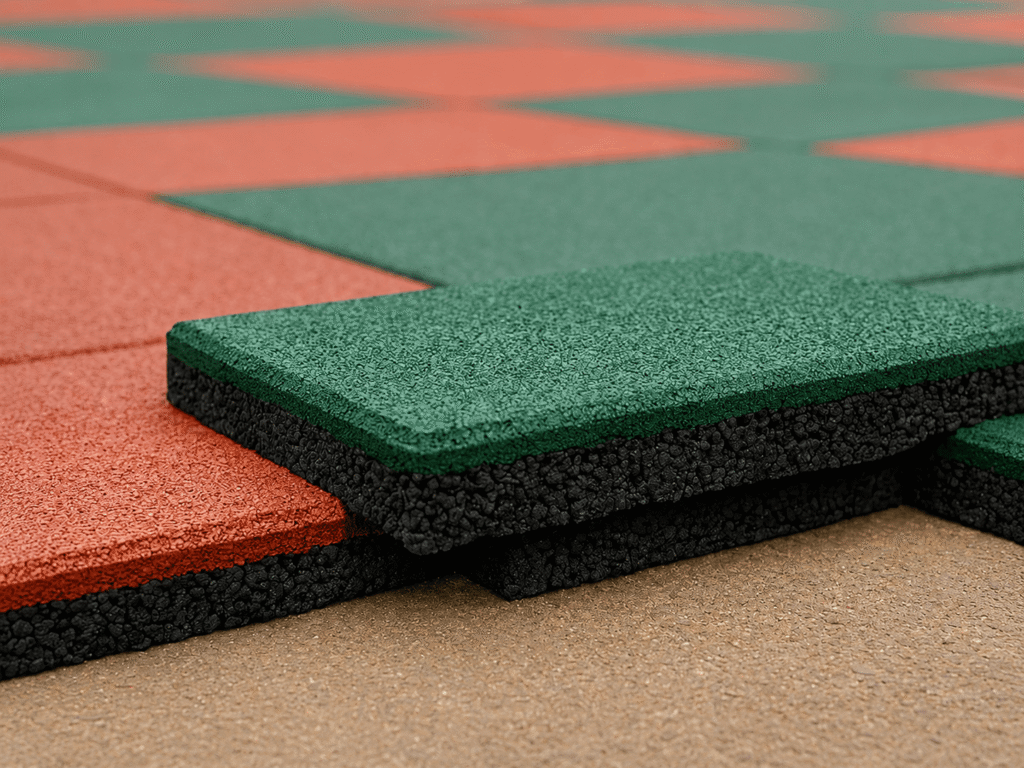
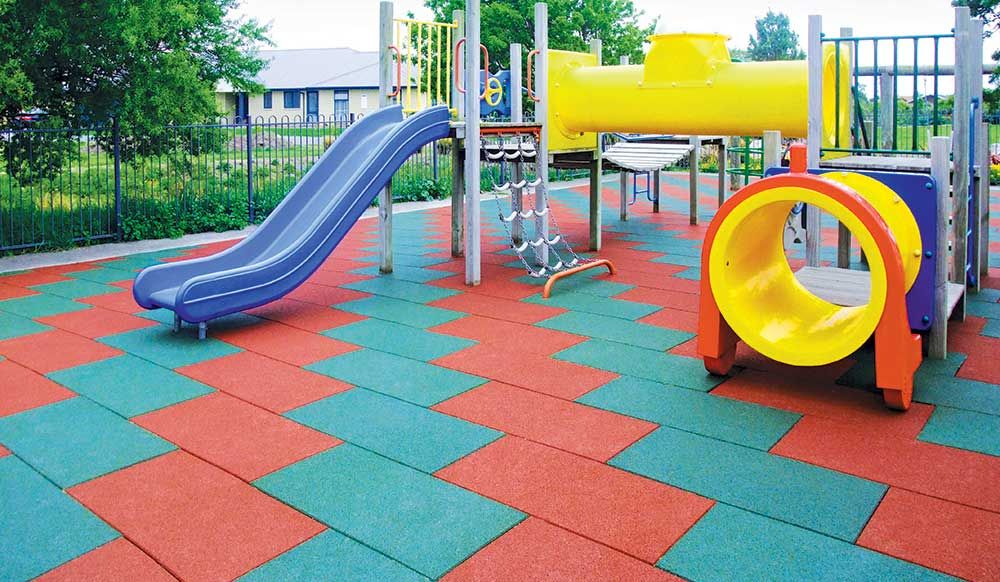
Prefabricated EPDM rubber tiles provide a modular alternative to seamless wet-pour systems, offering easier installation and localized replacement when required.
How a Wet-Pour EPDM Flooring System Is Built
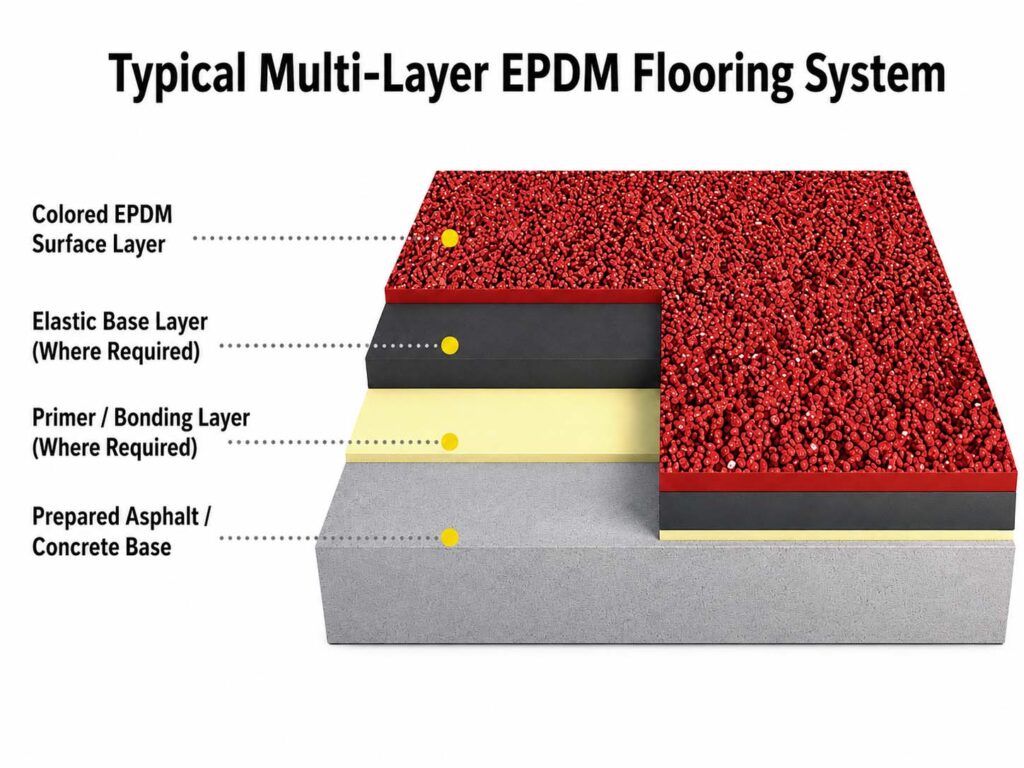
A wet-pour EPDM flooring system combines multiple rubber layers and bonding components to create a durable surface structure, with each layer serving a specific function.The surface layer determines the visual appearance and wear performance, while the underlying resilient layers control cushioning, impact absorption and overall system thickness.
EPDM Wear Layer
The EPDM wear layer is the visible top surface of a wet-pour flooring system and directly determines the appearance and surface characteristics experienced by users. Made from colored EPDM rubber granules combined with polyurethane binder, this layer provides:
- Color and visual design – available in a wide range of colors to create patterns, graphics and customized surface designs.
- Surface texture and feel – influences the traction, comfort and overall user experience.
- UV and weather resistance – helps maintain color stability and surface performance under outdoor exposure.
- Wear resistance – provides a durable surface layer designed to withstand regular pedestrian and recreational use.
For outdoor applications such as playgrounds, parks and recreational areas, the EPDM wear layer is particularly important because it combines functional performance with design flexibility.
Resilient Base Layer
The resilient base layer is the cushioning foundation beneath the EPDM wearing surface. The elastic support layer uses resilient rubber granules, such as SBR or EPDM rubber granules, combined with polyurethane binder to create a flexible and supportive base. The main functions of the resilient base layer include:
- Cushioning and impact absorption – helps improve the shock-absorbing performance of the overall flooring system.
- Impact attenuation – contributes to the safety performance of the system, including Critical Fall Height (CFH) considerations in playground applications.
- System thickness adjustment – allows engineers to customize the overall flooring thickness according to application requirements.
- Structural support – provides a stable elastic foundation for the EPDM wearing layer.
Polyurethane Binder
Polyurethane binder is the bonding component that holds the rubber granules together and enables the formation of a continuous wet-pour surface. Its key functions include:
- Granule bonding – securely binds EPDM and SBR rubber particles into stable layers.
- Structural integrity – helps maintain the strength and durability of the finished surface.
- Seamless surface formation – allows installers to create a continuous flooring surface without traditional tile or sheet joints.
Prepared Substrate and Installation Foundation
Although often overlooked, the prepared substrate is an essential part of the overall wet-pour EPDM system. A stable and properly prepared base provides the foundation required for long-term performance. Before installation, the substrate should be evaluated for factors such as:
- Surface stability
- Drainage conditions
- Flatness and preparation quality
- Compatibility with the selected flooring system
Where Is EPDM Rubber Flooring Used?
EPDM rubber flooring is one of the most versatile safety and performance surfaces available today. Its combination of impact absorption, UV resistance, color stability, and seamless installation makes it ideal for a wide range of outdoor and high-traffic environments. Below are the primary applications where EPDM wet-pour systems deliver outstanding results.
Playground Flooring
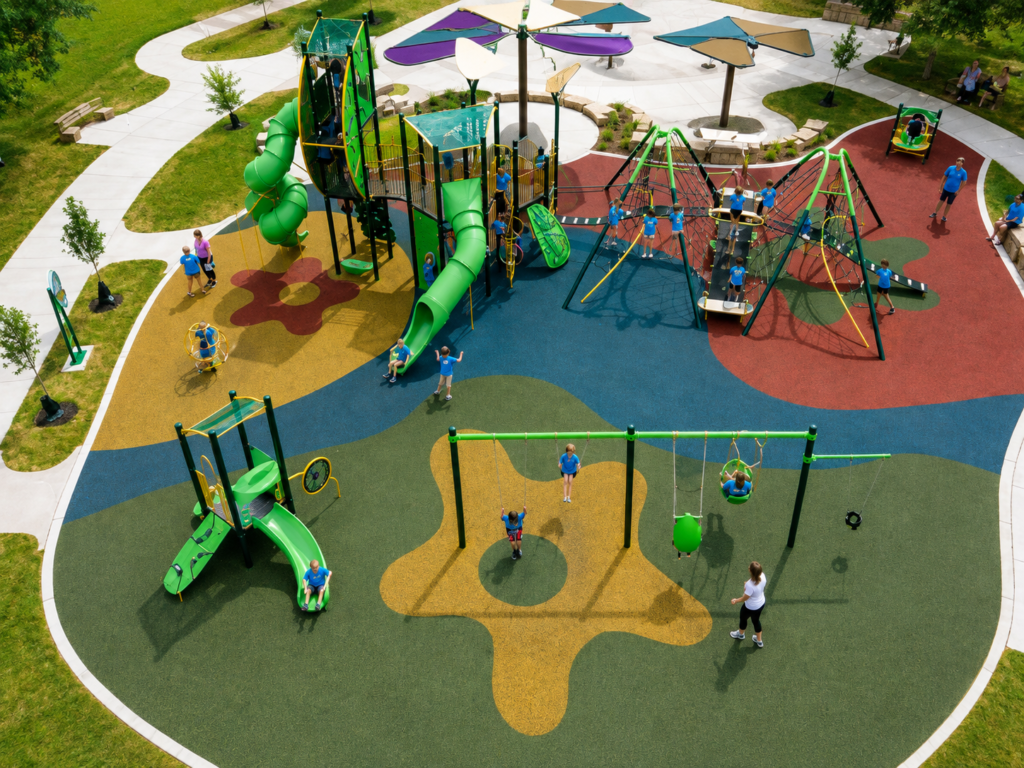
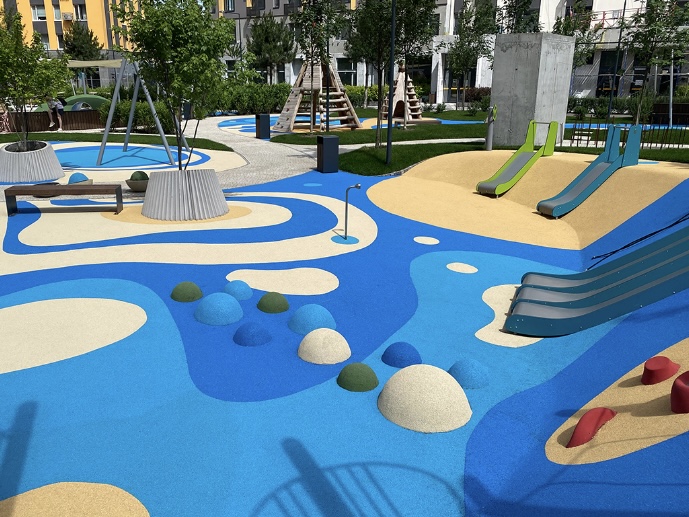
Playgrounds demand the highest level of safety. EPDM wet-pour systems excel here because they provide excellent impact attenuation, significantly reducing the risk of injury from falls. Manufacturers can precisely engineer the thickness to meet Critical Fall Height (CFH) requirements and support compliance with relevant safety standards.
Beyond safety, EPDM offers nearly unlimited design freedom. Designers can incorporate vibrant colors, custom graphics and logos directly into the surface, while the seamless system also allows them to create custom shapes that follow the exact layout of play equipment. The result is a soft, continuous, and highly engaging play surface that remains durable and attractive for years.
Running Track
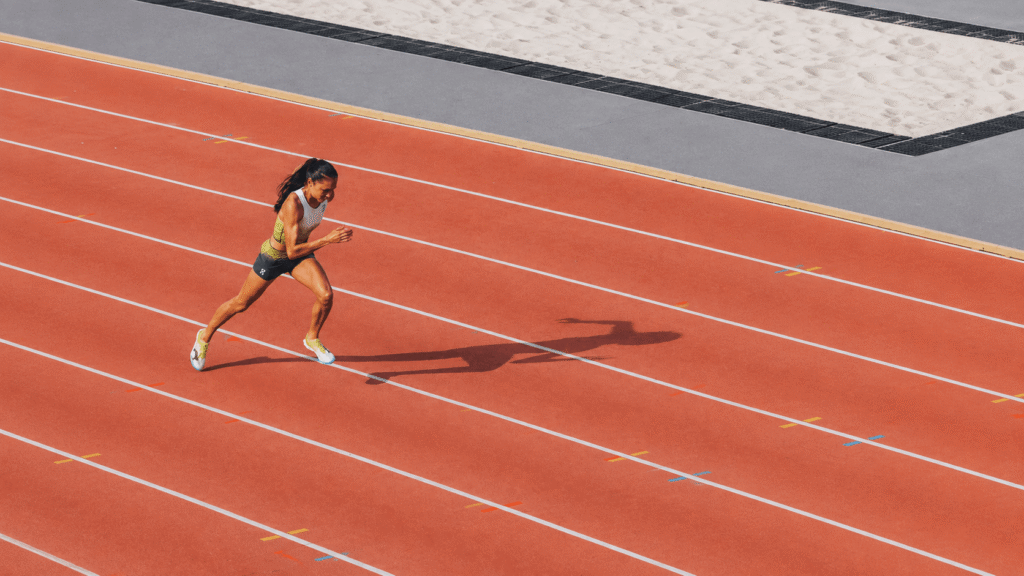
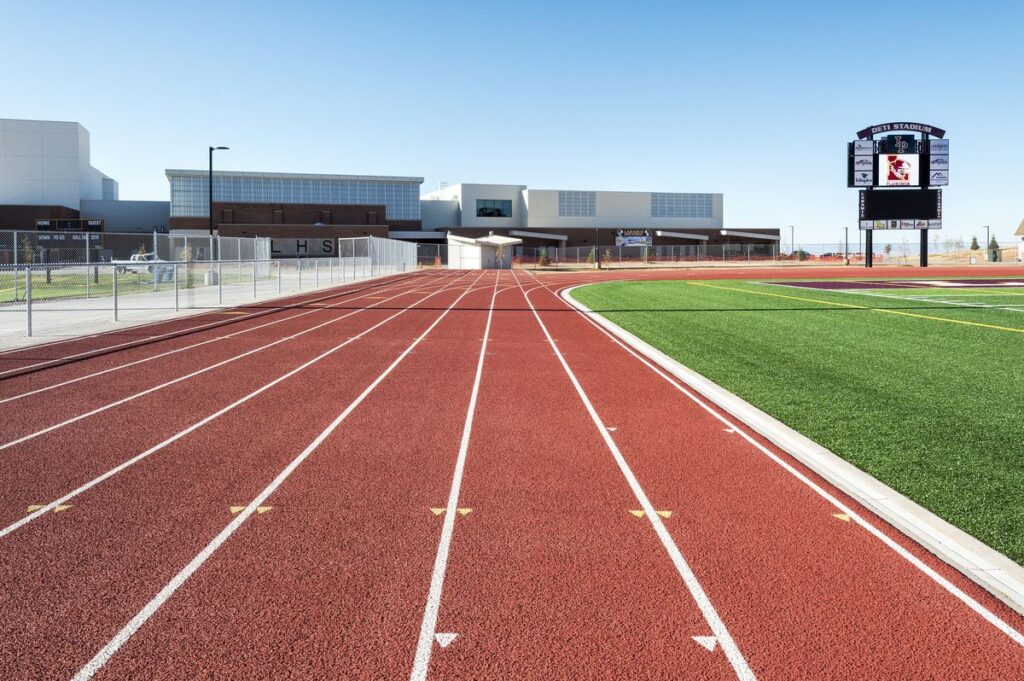
Running track systems widely use EPDM for its excellent durability, consistent traction and controlled energy return under high-intensity use. Different track structures are available depending on performance requirements—ranging from sandwich systems (SBR base + EPDM wear layer) to spray-coated system or prefabricated constructions. For a deeper look at running track system structures and selection considerations, explore our running track flooring solutions.

The same wet-pour EPDM technology can also be adapted for other applications, including water parks, recreational areas and landscape walkways, depending on the required performance and design objectives. Explore Rubflo’s EPDM flooring applications for more project examples and surfacing solutions.
Plan Your Next Sports Surface Project with Rubflo
Whether you are developing a running track, artificial turf area or other sports facility, our team provides material recommendations and solution support to help you select the right surface configuration for your project.
01 Application Requirements:
The intended use of the space determines the basic system requirements. Playground, running track, recreational and landscape applications may require different flooring structures and performance characteristics.
02 Performance Requirements:
Project requirements should guide the selection of the right system, considering factors such as impact absorption, surface comfort, traction, durability and expected usage intensity.
03 System Thickness:
Thickness should not be selected in isolation. The required thickness depends on the complete system design, including the resilient layer structure, impact attenuation requirements and application conditions.
04 Rubber Material Selection:
Different rubber materials serve different functions within the system. EPDM granules create the visible wearing surface, while resilient rubber layers provide cushioning and structural support.
05 Color & Design Requirements:
EPDM granules provide extensive design flexibility, allowing customized colors, patterns, graphics, logos and visual zoning for different project concepts.
06 Binder Selection:
Polyurethane binder plays an essential role in bonding rubber granules together and influencing the stability, flexibility and long-term performance of the finished surface.
07 Substrate & Drainage Conditions:
Project teams should evaluate the existing substrate, drainage conditions and installation environment to ensure the selected system performs reliably over time.
Conclusion
EPDM rubber flooring is a versatile surfacing solution that combines performance, durability and design flexibility across a wide range of applications. At Rubflo, we believe that every surfacing project deserves a solution designed around its application, environment and long-term goals. Whether you are planning a playground, recreational area, sports space or custom outdoor surface, choosing the right EPDM system is the first step toward a better-performing finished surface. Ready to explore your EPDM flooring options? Contact Rubflo to discuss your project.
EPDM Rubber Flooring Glossary: Key Terms You Should Know
| Key Term | Definition |
|---|---|
| EPDM | Ethylene Propylene Diene Monomer is a synthetic rubber material widely used in outdoor flooring and surfacing applications where weather resistance and durability are important. |
| EPDM Granules | EPDM granules are coloured synthetic rubber particles commonly used as the visible surface layer in wet-pour rubber flooring systems. They are available in a wide range of colours and can be used to create different patterns and design effects. |
| SBR | Styrene-Butadiene Rubber is a synthetic rubber commonly used in the base layer of rubber flooring systems, particularly where resilience and cushioning are required. |
| SBR Rubber Granules | SBR rubber granules are commonly used to form the base layer of wet-pour rubber flooring systems. They help provide resilience, cushioning and overall system build-up. |
| Wet-Pour Rubber Flooring | Wet-pour rubber flooring is a continuous surfacing system installed on site by mixing rubber granules with a polyurethane binder and applying the mixture over a properly prepared substrate. |
| Polyurethane Binder (PU Binder) | Polyurethane binder is used to bond rubber granules together and is an essential component of wet-pour rubber flooring systems. It helps form a durable and cohesive finished surface. |
| Critical Fall Height | Critical Fall Height refers to a height used to describe the impact-attenuation performance of playground surfacing during testing. For actual projects, the required performance should be evaluated according to the applicable standards and the specific surfacing system. |
| Substrate | A substrate is the underlying surface on which the rubber flooring system is installed. Depending on the project, this may include prepared concrete, asphalt or other suitable surfaces. |
| Drainage | Drainage refers to the way water is managed and removed from a surfacing area. Proper drainage is particularly important for outdoor, poolside and water-play applications to help prevent standing water and support long-term surface performance. |