Introduction
Choosing between EPDM and SBR rubber granules is not about deciding which material is simply “better” — it is about selecting the right material for the right layer of your flooring system.
Virgin EPDM provides the vibrant colors, UV resistance, and weather durability required for a high-performance surface layer, while recycled SBR delivers the shock absorption and elasticity needed underneath at a more economical cost. By combining an EPDM wearing layer with an SBR elastic base, many flooring projects can achieve the right balance of safety, appearance, durability, and budget.
In this guide, we will break down the key differences between EPDM and SBR rubber granules, explain where each material performs best, and help you understand how to choose the right solution for your playground, sports surface, or recreational flooring project.
Quick Comparison: EPDM vs SBR Rubber Granules
| Feature | EPDM Rubber Granules | SBR Rubber Granules |
|---|---|---|
| Material Type | Virgin synthetic rubber | Recycled rubber |
| Main Function | Surface wearing layer | Elastic base layer |
| Color Options | Wide range of colors | Mainly black |
| UV Resistance | Excellent | Moderate |
| Weather Resistance | Excellent | Good |
| Impact Absorption | Good | Excellent |
| Durability | High | Good |
| Common Particle Size | 1.0–4.0 mm | 2.0–7.0 mm |
| Material Consumption (10mm thickness) | Approx. 10–12 kg/m² | Approx. 8–9 kg/m² |
| Relative Material Cost | Approx. 2.5–3.5× recycled SBR | More economical |
What Are EPDM Rubber Granules?
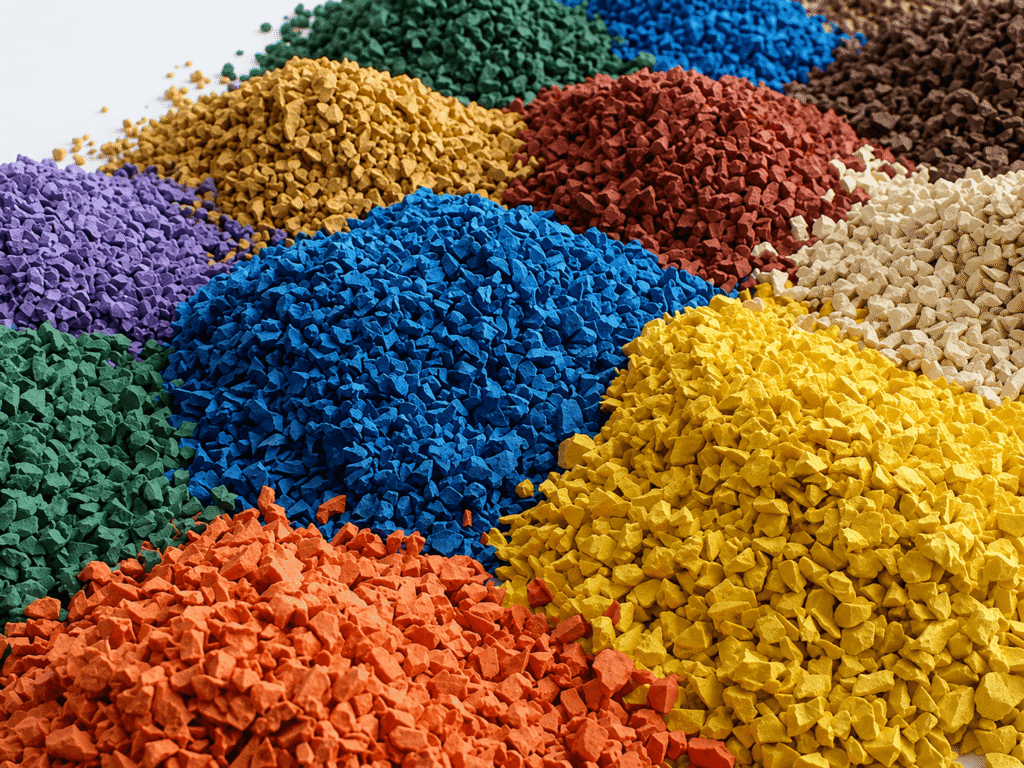
EPDM (Ethylene Propylene Diene Monomer) is a premium, virgin synthetic rubber engineered specifically to withstand harsh outdoor environments. Because it retains its color and physical properties under stress, it is the industry standard for the visible top layer (wear coat) in rubber flooring systems.
- UV and Weather Resistance: EPDM polymer chains naturally resist thermal shock, ozone, and solar degradation. Quality granules pass ISO 4892-2 and ASTM G154 accelerated weathering tests, meaning they will not chalk, crack, or fade under intense sunlight.
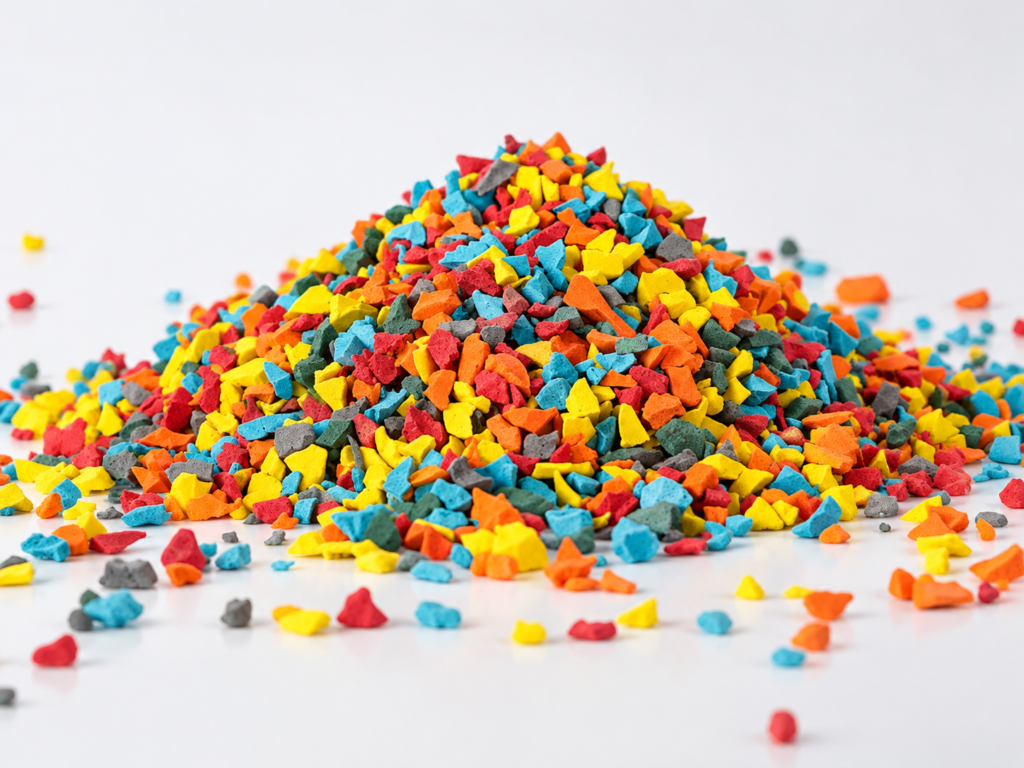
- Vibrant Customization: Unlike recycled rubber, virgin EPDM can be manufactured in a wide spectrum of stable colors, making it ideal for intricate playground designs, sports court zoning, and custom logos.
- Tested Safety: EPDM is non-toxic and skin-friendly. It complies with strict environmental frameworks like REACH and EN 71-3, ensuring it is free from migrating heavy metals and safe for direct contact by children.
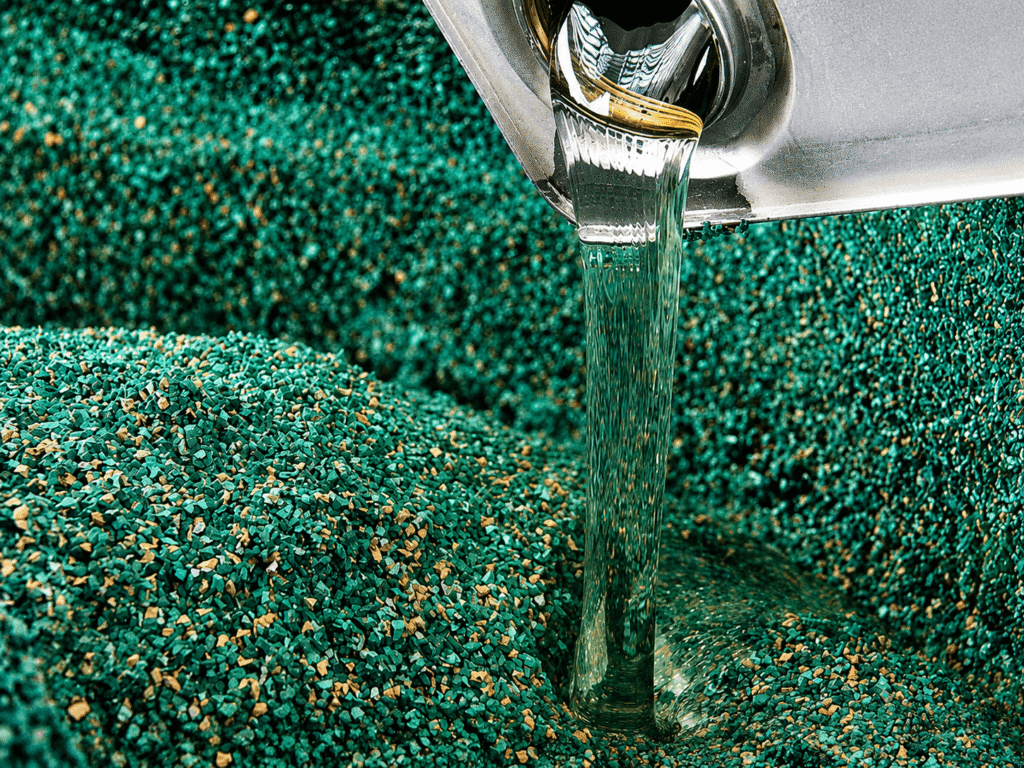
- Optimized Surface Texture: Typically graded at 1.0–4.0 mm, these granules provide a smooth, slip-resistant finish when mixed with polyurethane binder.
Typical Applications
- Children’s playground safety surfacing
- Athletic tracks and multi-use sports courts
- Splash pads and decorative landscape areas
What Are SBR Rubber Granules?
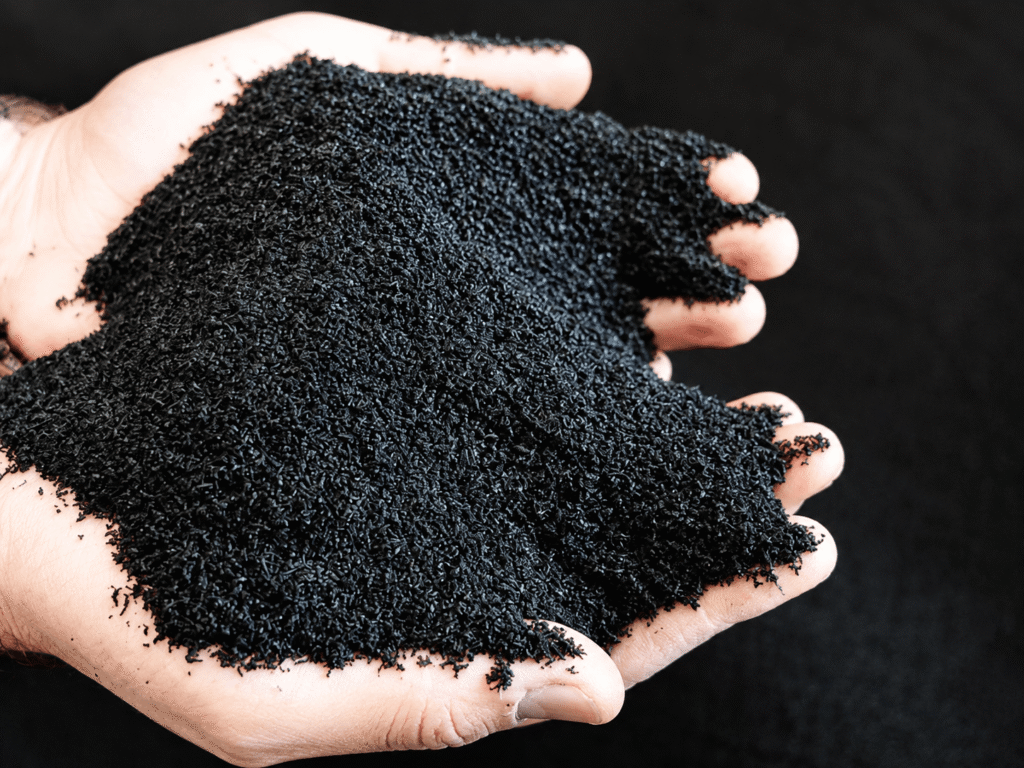
SBR (Styrene Butadiene Rubber) granules are highly resilient, recycled materials predominantly sourced from automotive tires. While they lack the vibrant colors of EPDM, their unmatched elasticity and economic advantages make them the structural backbone—the shock-absorbing base layer—of almost every multi-layer wet-pour flooring system.
- Impact Absorption & Safety Compliance: SBR is the “engine” that protects against falls. By absorbing kinetic energy, a properly installed SBR base ensures playgrounds meet crucial ASTM F1292 and EN 1177 safety standards for Critical Fall Height (CFH), keeping Head Injury Criterion (HIC) scores well within safe limits.
- Optimized Elasticity: Graded at a larger 2.0–7.0 mm size, SBR granules naturally create small air voids when bound with polyurethane glue. This internal porosity acts like a mechanical sponge, maximizing energy rebound and cushioning.
- Extreme Cost-Efficiency: Because SBR is a recycled product, it costs a fraction of virgin rubber. This allows contractors to build up the heavy thickness required for fall protection (often 40mm to 100mm+) without inflating the overall project budget.
- Sustainable Sourcing: SBR transforms waste into high-value infrastructure. For context, utilizing just one ton of SBR granules repurposes approximately 100 scrap tires, keeping them out of landfills and lowering the carbon footprint of your project.
Typical Applications
- Shock-absorbing sub-bases for playground safety surfacing
- Elastic foundation layers for running tracks and athletic fields
- Economical shock pads for large-area recreational flooring
How to Choose the Right Material for Your Project?
Choosing between EPDM and SBR is a common challenge when planning a rubber flooring project. However, once you understand your project requirements, selecting the right material becomes much easier.
The key factors to consider include:
- Project type – playgrounds, sports surfaces, running tracks, or recreational areas
- Surface requirements – color design, appearance, and wear resistance
- Safety performance – impact absorption and required fall protection levels
- Budget considerations – project scale and material cost
- Flooring structure – surface layer, base layer, or complete wet-pour system
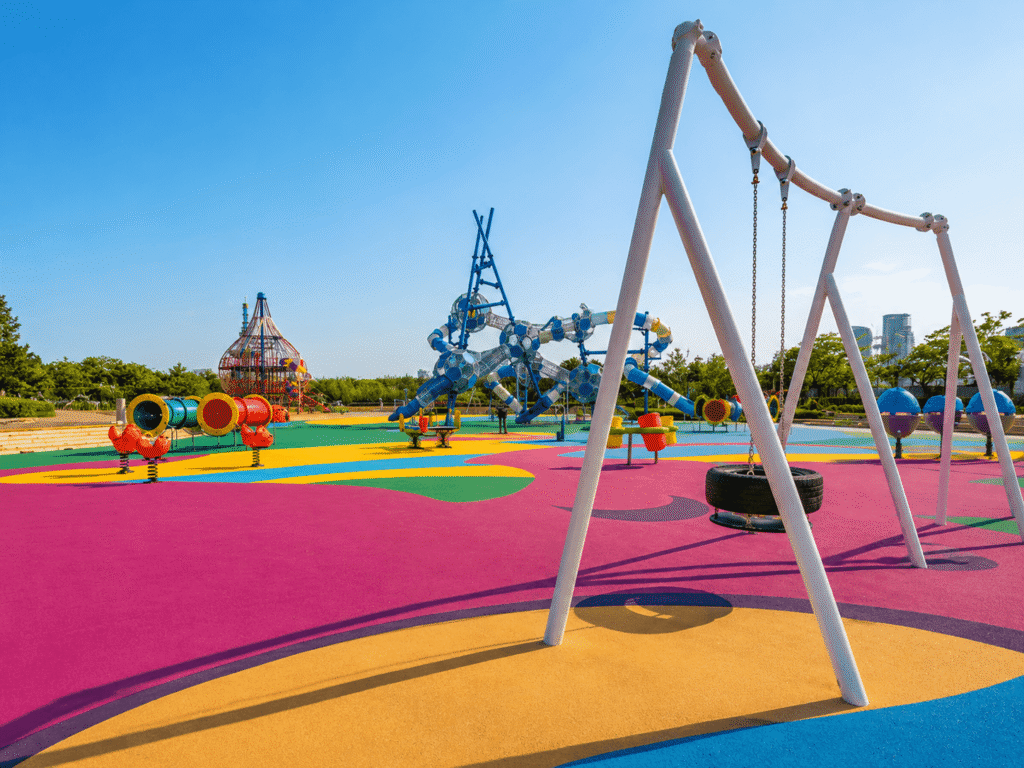
For example, a children’s playground usually places more emphasis on colorful designs, outdoor durability, and safety performance. A common solution is a 50mm wet-pour system with a 10mm EPDM surface layer and 40mm SBR cushioning layer, helping achieve the required impact protection while maintaining an attractive appearance.
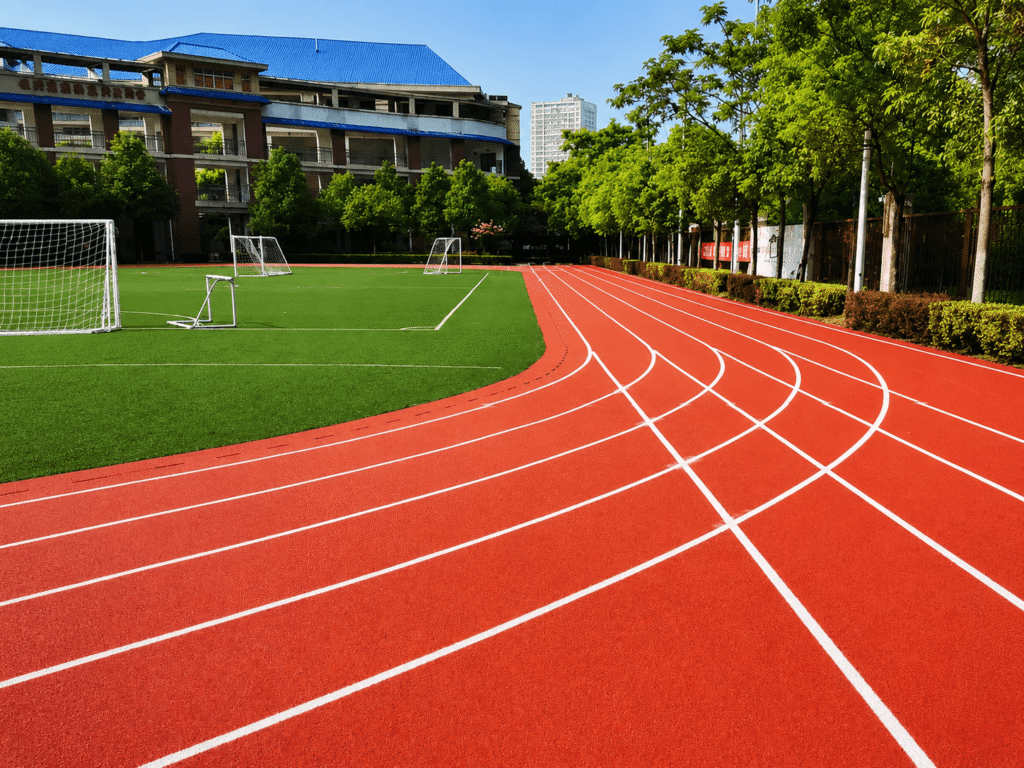
On the other hand, for large sports surfaces such as running tracks, projects often prioritize shock absorption, elasticity, and cost efficiency. A 13mm sports flooring system using an SBR base layer combined with an EPDM surface layer is a common approach for balancing performance and material cost.
Of course, every project has different requirements. If you are unsure whether EPDM, SBR, or a combination of both is the right choice, Rubflo can help evaluate your application conditions, performance expectations, and budget to recommend a suitable flooring solution.
Can EPDM and SBR Be Used Together?
Yes. In many wet-pour rubber flooring projects, EPDM and SBR are combined to create a more balanced flooring system.
A typical structure is:
EPDM surface layer + SBR elastic base layer + foundation
By placing each material where it performs best, this combination provides a durable and attractive surface while improving cost efficiency compared with using EPDM throughout the entire system.
For example, a common playground flooring solution uses a 10mm EPDM surface layer combined with a 40mm SBR base layer to achieve the required impact protection while controlling overall material costs.
The ideal system structure depends on factors such as application type, critical fall height requirements, and project standards.
Reliable Rubber Flooring Solutions from Rubflo
Selecting a rubber granule supplier is not only about purchasing materials. Stable quality, suitable system recommendations, and reliable technical support all play an important role in achieving successful flooring results.
Since 2010, Rubflo has accumulated extensive experience in rubber flooring materials and developed a complete product system covering EPDM rubber granules, SBR rubber granules, and related solutions.
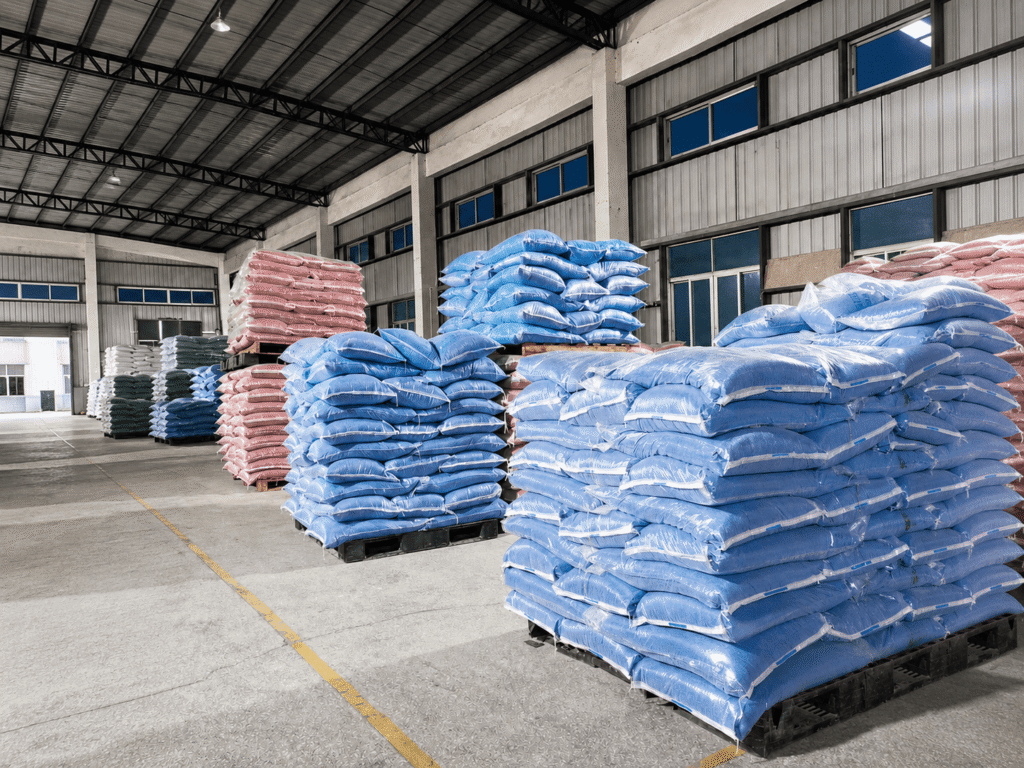
Consistent Material Quality
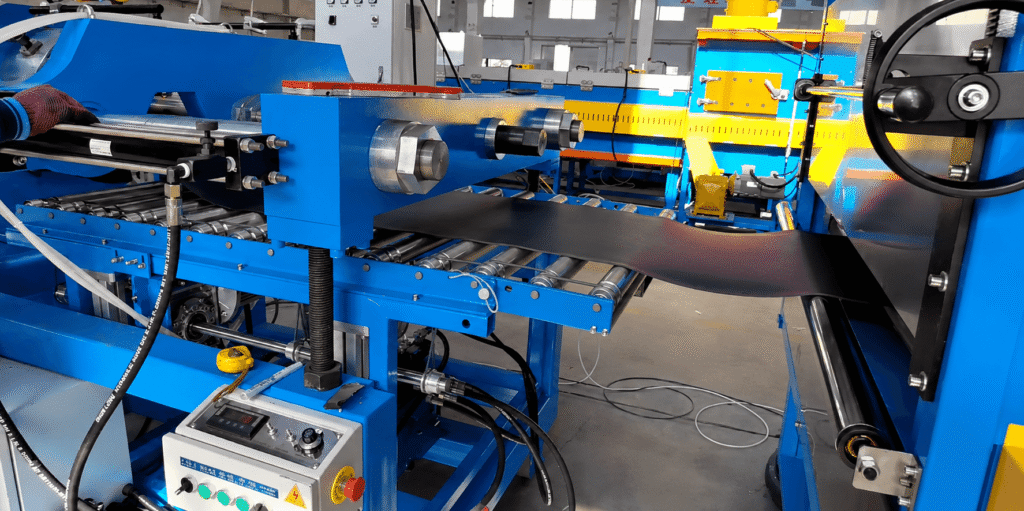
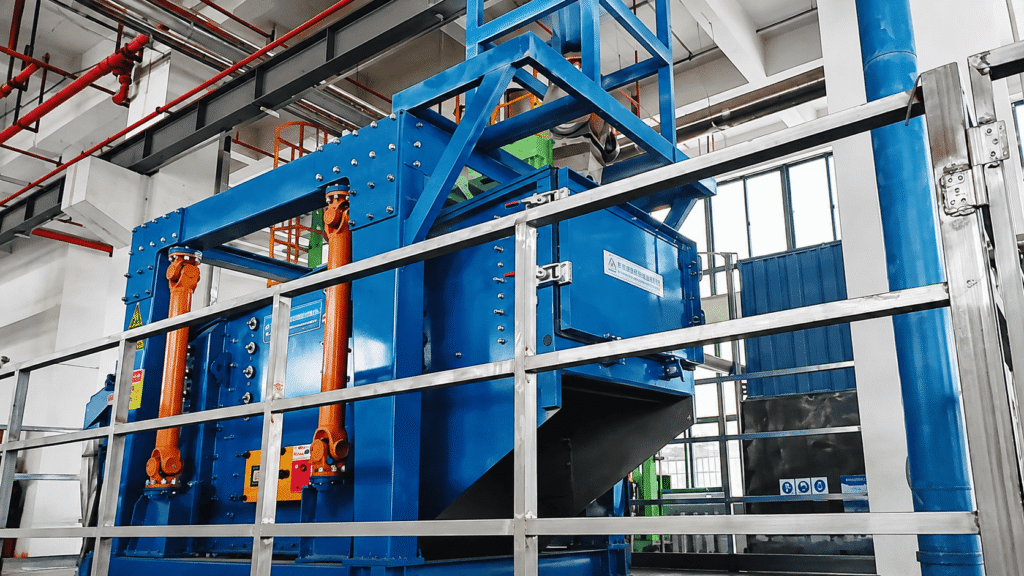
Stable particle size, color consistency, and controlled production processes help ensure reliable installation results and consistent flooring performance.
Reliable Quality and Compliance
Rubflo focuses on product quality control and compliance with relevant industry requirements, helping customers confidently select materials for playgrounds, sports surfaces, and recreational projects.
Technical Support for Your Flooring System
From material selection to EPDM/SBR system recommendations, Rubflo provides project-based support to help customers choose suitable materials and optimize their flooring solutions.
Conclusion
EPDM and SBR rubber granules each have their own advantages. EPDM is ideal for durable and attractive surface layers, while SBR provides a cost-effective solution for elastic base layers. For many projects, combining both materials creates a balanced flooring system.
Whether you need help selecting the right EPDM and SBR combination, evaluating material requirements, or planning your flooring system, Rubflo is here to support your project. Contact Rubflo to get expert recommendations and find the right rubber granule solution for your application.
FAQ
EPDM is a virgin synthetic rubber mainly used for colorful and durable surface layers, while SBR is a recycled rubber material commonly used for elastic base layers due to its shock absorption and cost advantages.
EPDM generally costs more because it uses virgin synthetic rubber and provides greater color flexibility, UV resistance, and surface durability. SBR offers a more economical option for base layers where elasticity and shock absorption are the main requirements.
No. EPDM and SBR are designed for different functions. SBR is widely used as a base layer because of its elasticity and cost efficiency, while EPDM is chosen for surface performance and appearance.