Creating Better Surfaces, Building Better Spaces.

Rubber Tile & Mat System for Modular Resilient Flooring

Rubflo rubber tile & Mat flooring systems combine prefabricated rubber tiles or mats with project-specific installation methods, subfloor preparation and perimeter finishing to create durable, modular surfaces for fitness, safety and recreational spaces.

Typical Rubber Tile & Mat Flooring Systems

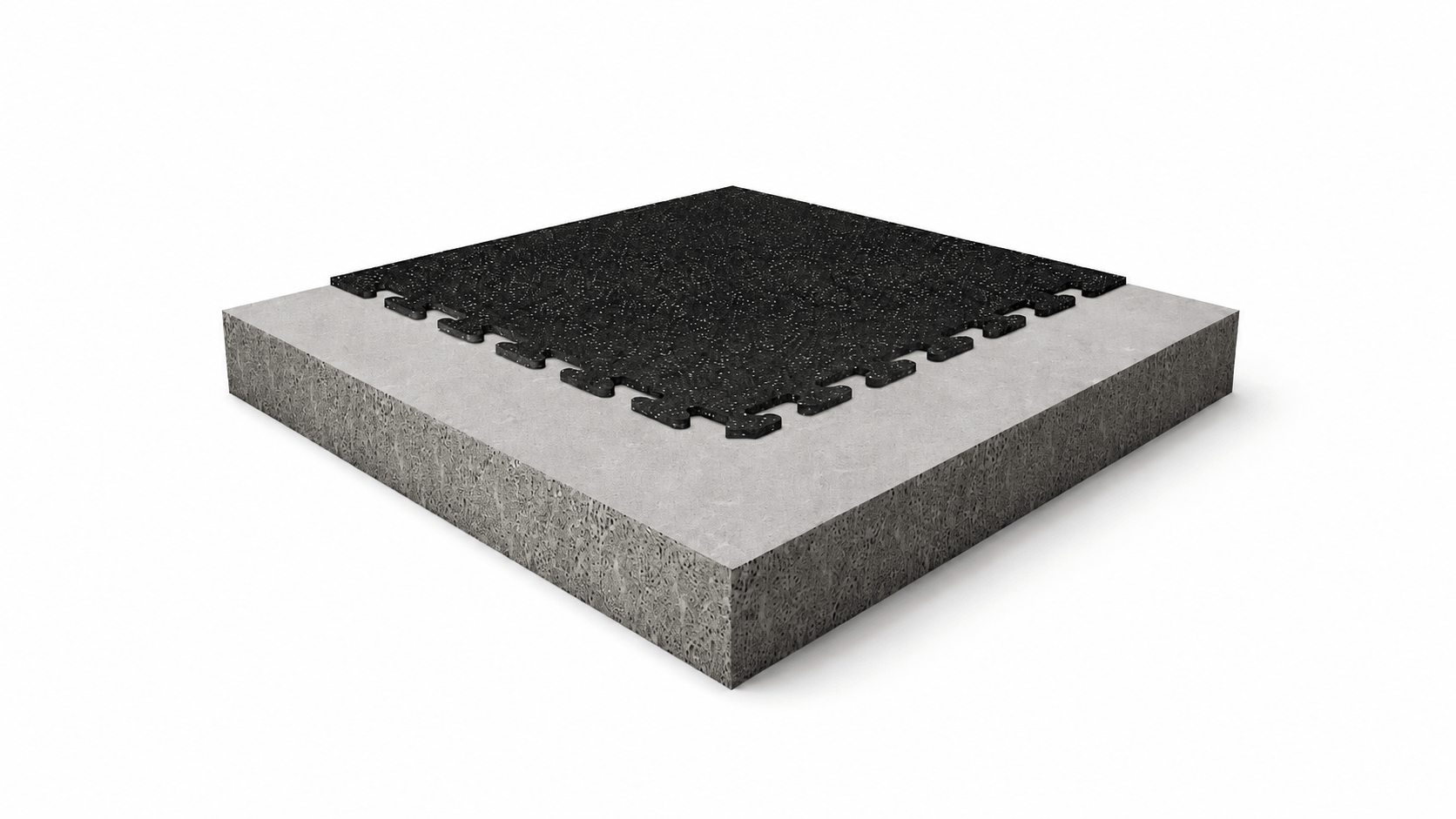
A rubber tile and mat flooring system typically consists of prefabricated rubber tiles or mats, a suitable fixing method, a prepared subfloor, and optional edge or transition components. The exact installation method depends on the product type, site conditions, and project requirements.

A
B
C
D
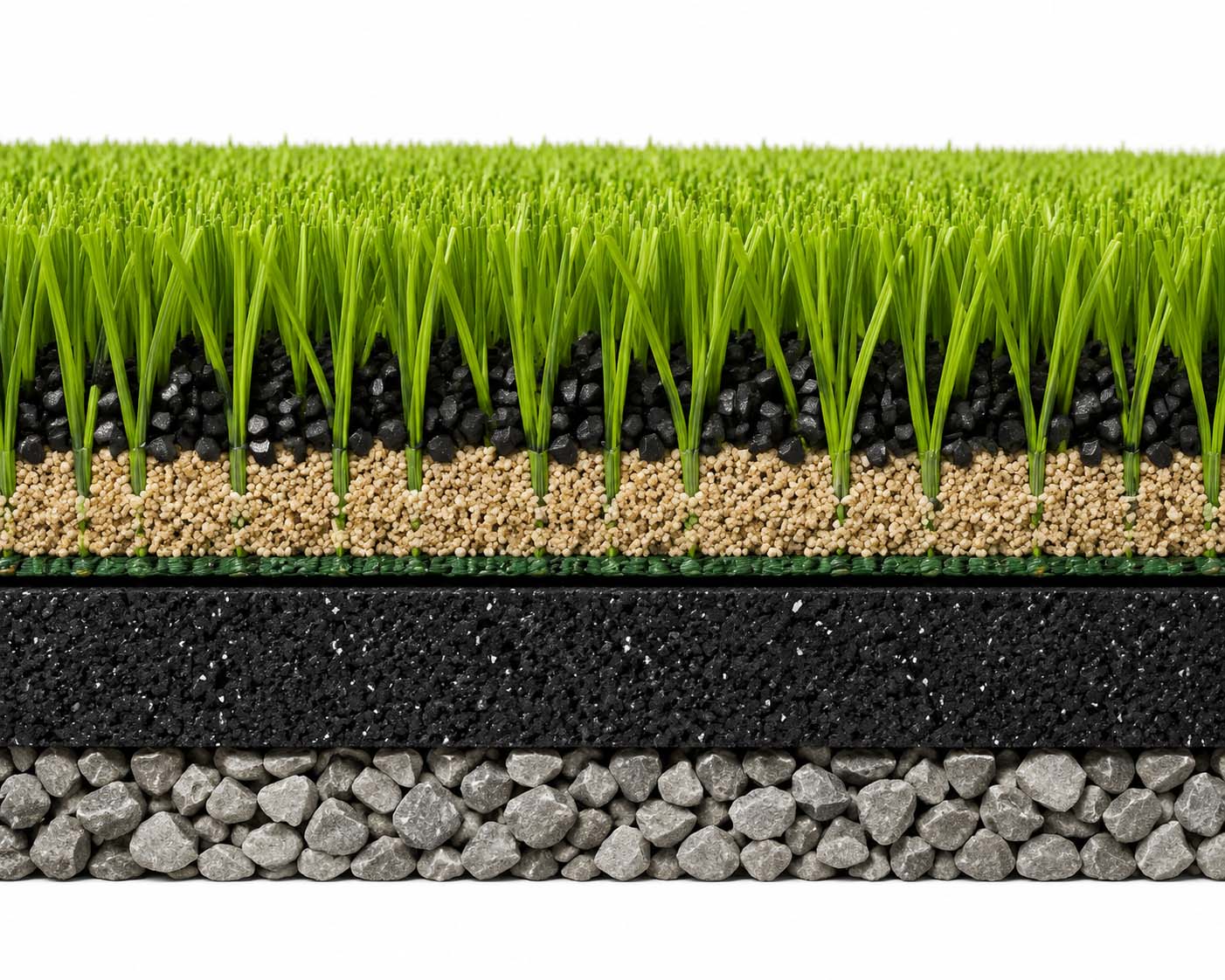
Rubber Tile and Mat System Structure
A

Rubber Tile / Mat

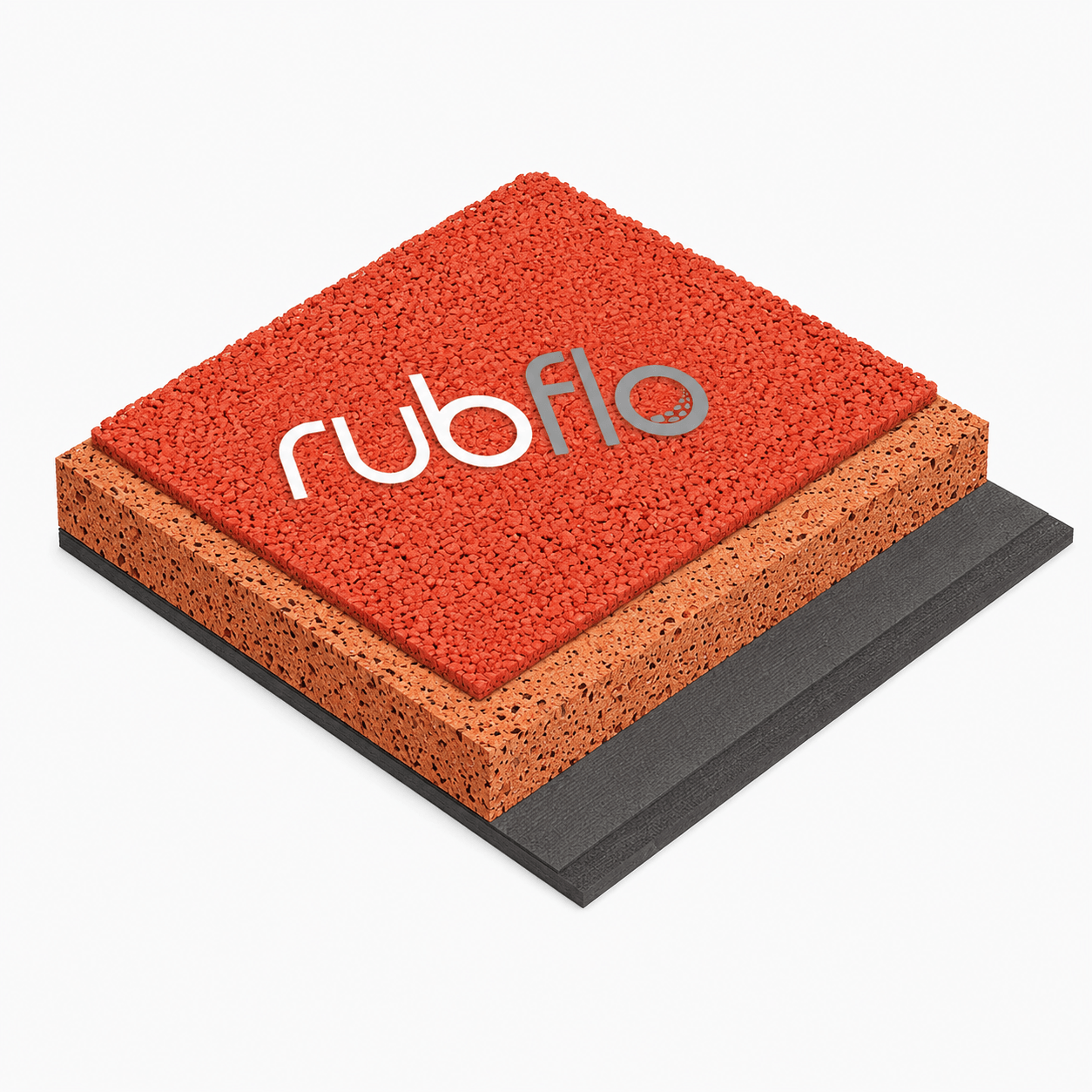
Prefabricated rubber flooring available in different formats, thicknesses and surface finishes.

B

Fixing Interface

The connection between flooring and substrate is selected according to product format and project conditions.

C

Prepared Subfloor

A stable, level and suitable substrate provides the foundation for the finished flooring system.

D

Edge & Transition Detail

Perimeter edges and transitions can be finished where required to create a neat connection with adjacent surfaces.
Choose the Right Rubber Flooring Format

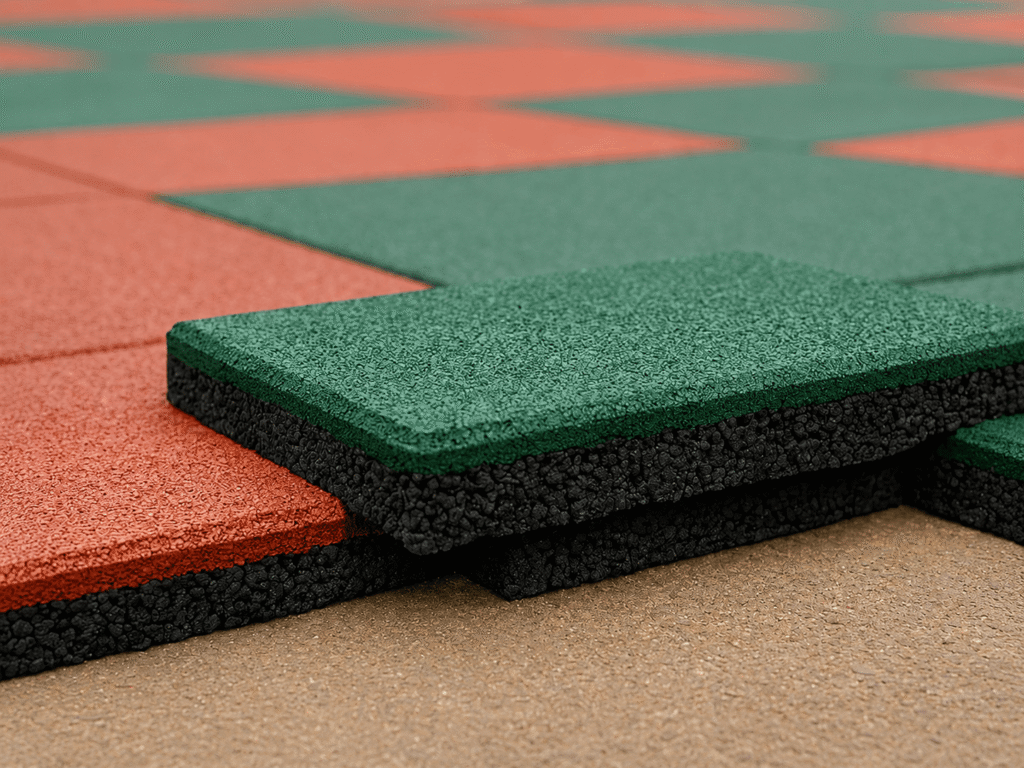
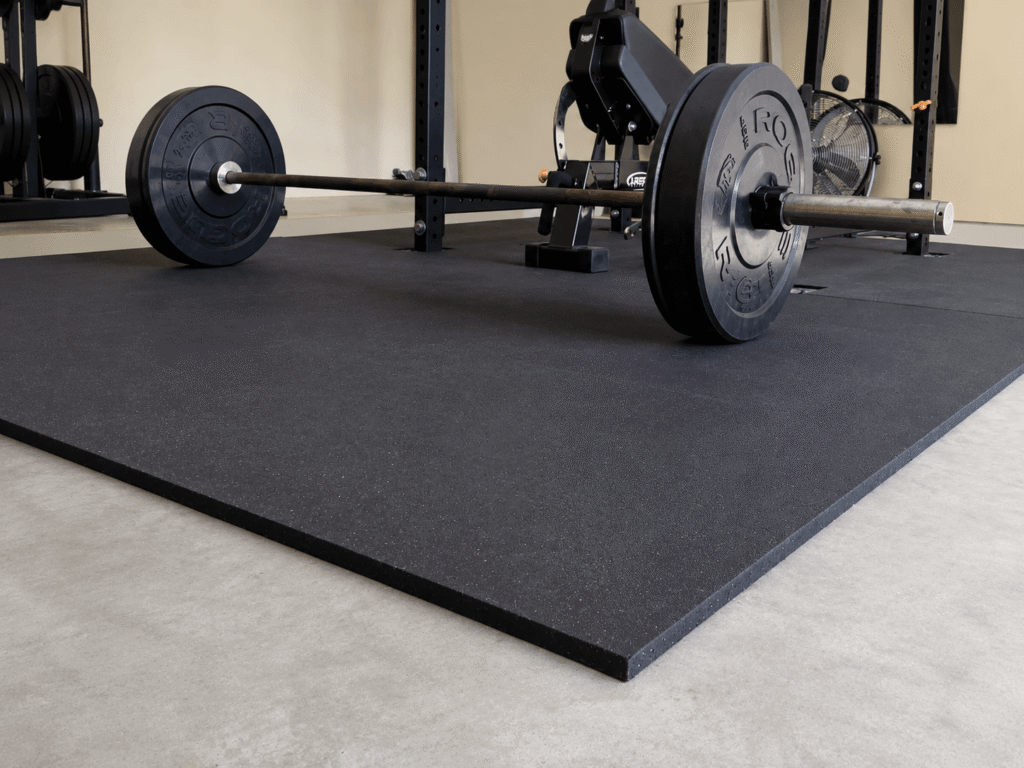
Rubber tiles and mats serve different roles within a flooring system. The right format depends on the required coverage, installation method, load conditions, and how the floor will be maintained or replaced over time.

Rubber Tiles

Rubber tiles are well suited to larger or continuous floor areas where a modular layout is preferred. Individual tiles can be arranged according to the space, secured using the appropriate fixing method, and replaced locally if part of the surface becomes damaged or worn.

Rubber Mats

Rubber mats are suited to defined areas where additional protection, impact absorption, or heavy-duty coverage is required, such as beneath fitness equipment, workstations, or other high-load zones. They can be positioned according to specific site and protection requirements.

Review Rubber Tiles & Mats for Your Project

Evaluate Rubflo rubber tiles and mats by color, surface finish, thickness and product format to confirm suitability for your project requirements. Free samples are available to support material review and project selection with greater confidence.

Plan the EPDM Flooring System Before Installation

Before installation begins, confirm the substrate condition, system build-up, layer thicknesses, drainage and finished levels, material quantities, and color or layout requirements. Early planning helps align the materials, site conditions and installation details before work starts.

Flatness

Confirm that the subfloor is sufficiently level and free from significant uneven areas that could affect the finished flooring.

Strength & Stability

Check that the substrate is firm, structurally sound and free from loose, weak or unstable areas.

Moisture Condition

Assess moisture conditions, particularly for concrete substrates, before adhesive or other fixing methods are selected.

Surface Cleanliness

Remove dust, oil, dirt, old adhesive residues and other contaminants that could affect installation or bonding.

Cracks & Repairs

Identify and repair cracks, damaged areas and localized surface irregularities before flooring installation begins.

Three Ways to Install a Rubber Tile System

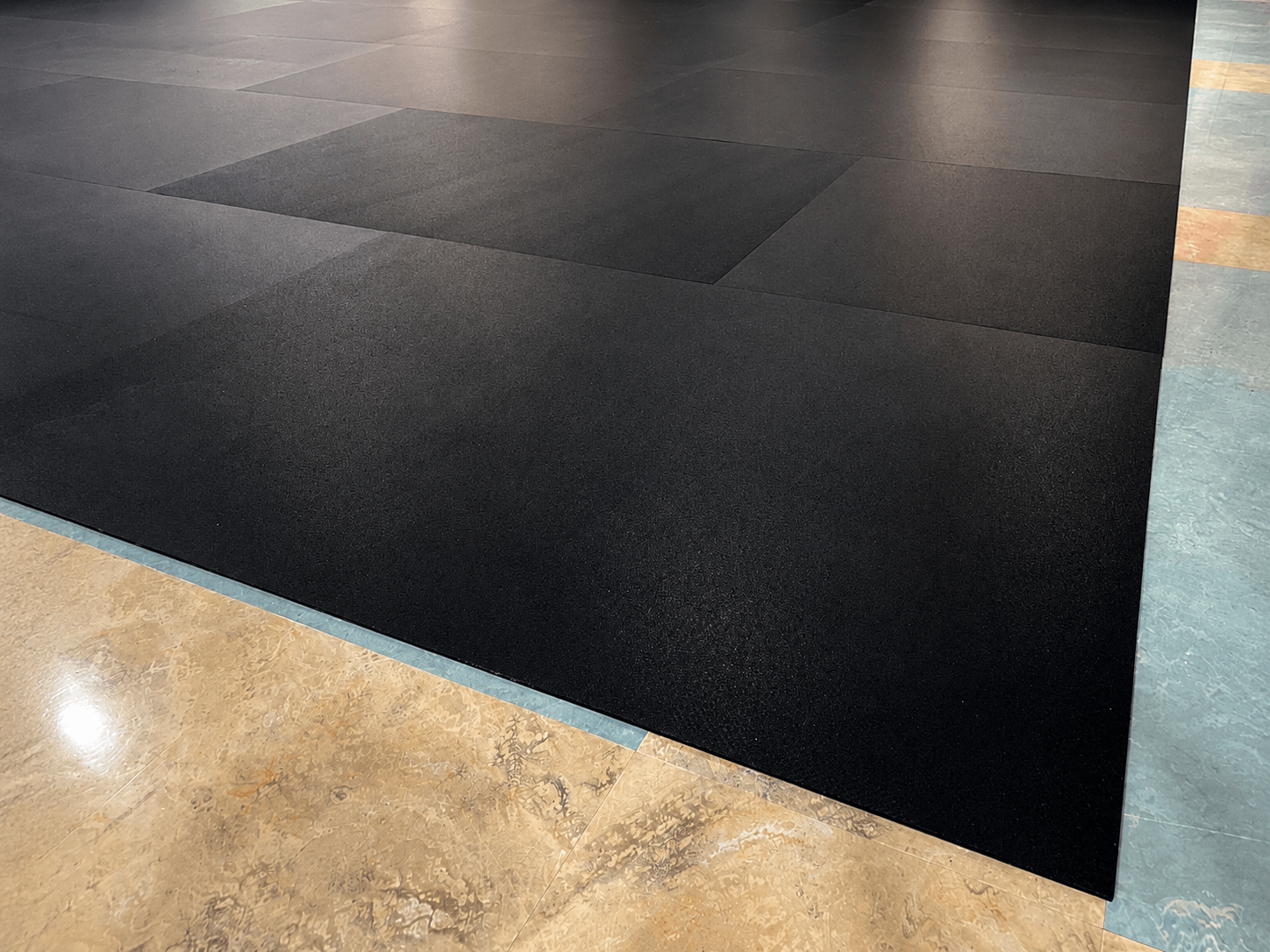
Rubber tiles and mats can be installed using connector-assisted, loose-lay or full glue-down methods. The right approach depends on the flooring format, subfloor conditions, expected use and whether the installation needs to be permanent or easier to replace.

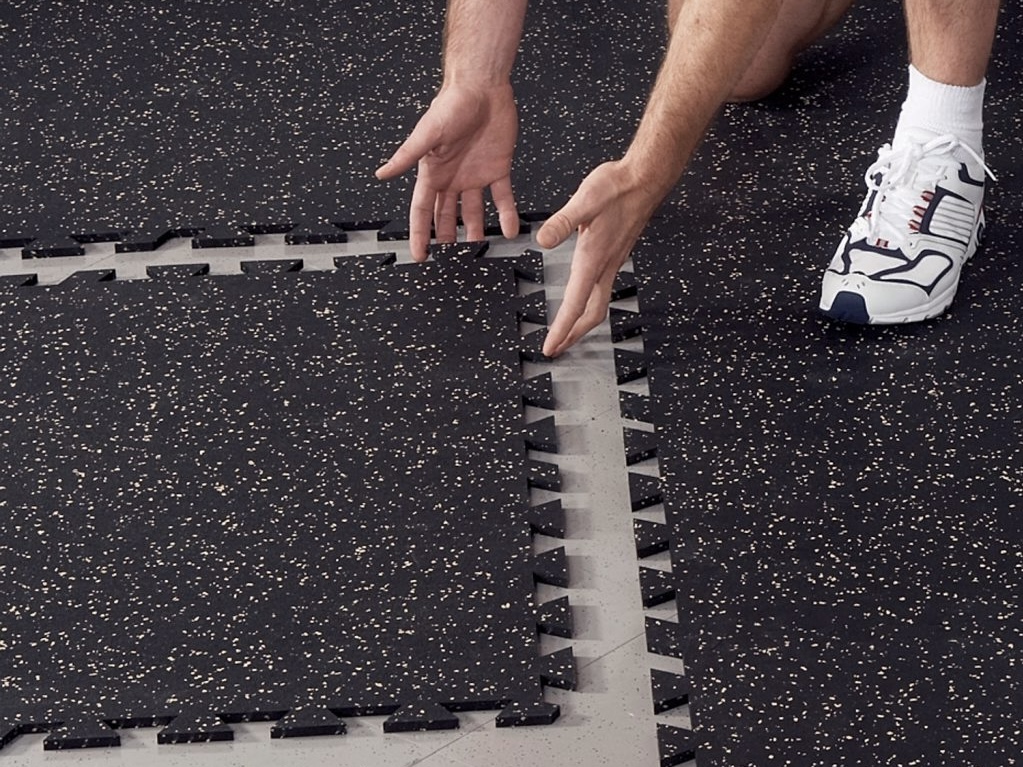
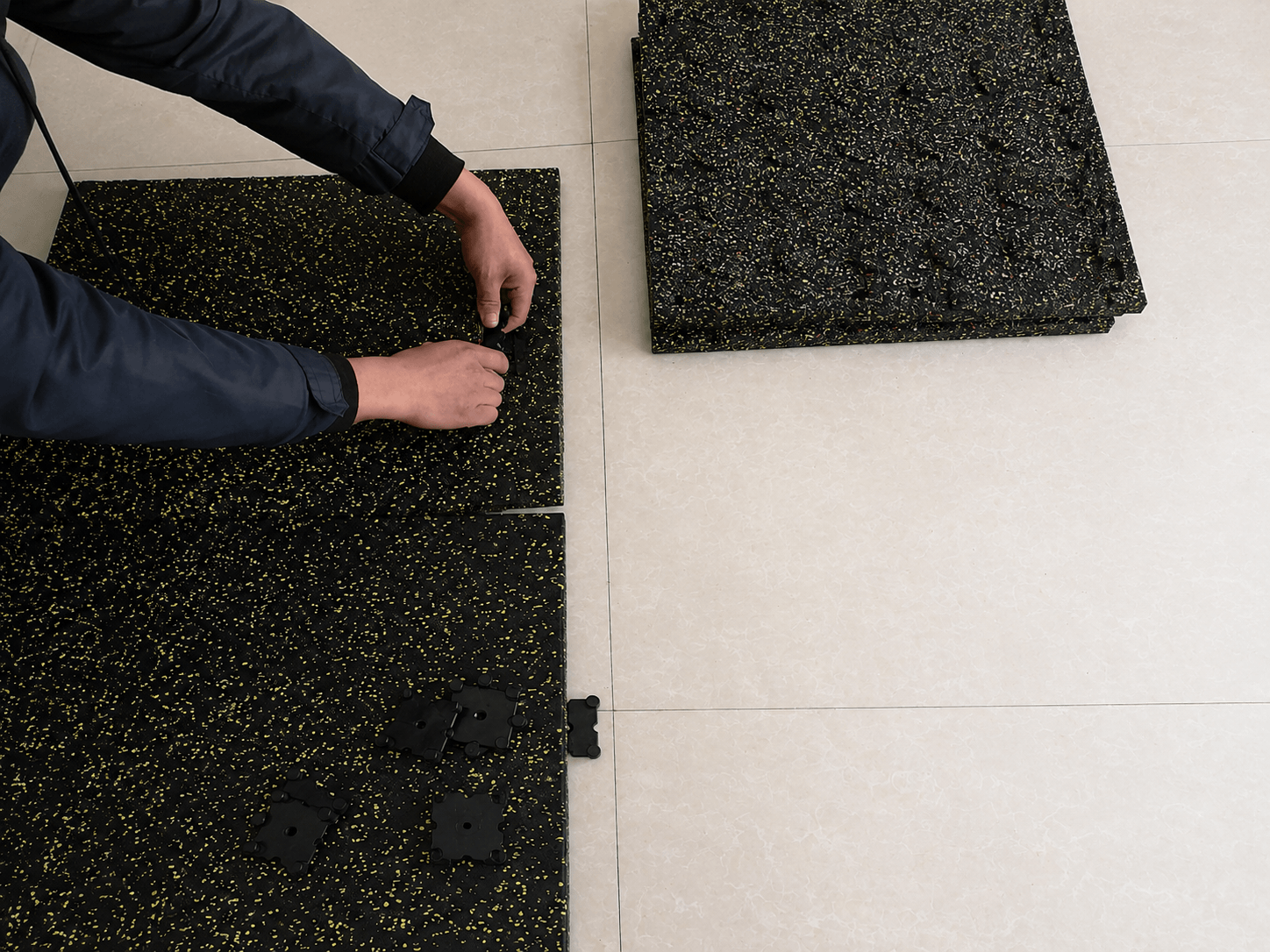
Connector-assisted glue-free rubber tile installation

Interlocking / Connector Installation

Tiles are secured through interlocking edges or connector systems, creating a stable modular surface without full-surface bonding and allowing individual tiles to be replaced when needed.
Adhesive Use Low
Minimal Full
Replacement Flexibility High
Low High
Permanent Fixation Medium
Low High
Layout Flexibility High
Low High
Typical Project Use
Gym Areas Fitness Spaces Modular Flooring Layouts
Loose-lay rubber flooring installation

Loose-Lay Installation

Heavy rubber tiles or mats are laid directly over the prepared subfloor and held in place by weight, friction and perimeter restraint where required, allowing easier removal or repositioning.
Adhesive Use Minimal / None
Minimal Full
Replacement Flexibility Very High
Low High
Permanent Fixation Low
Low High
Layout Flexibility Very High
Low High
Typical Project Use
Equipment Zones Temporary Layouts Heavy-Duty Areas
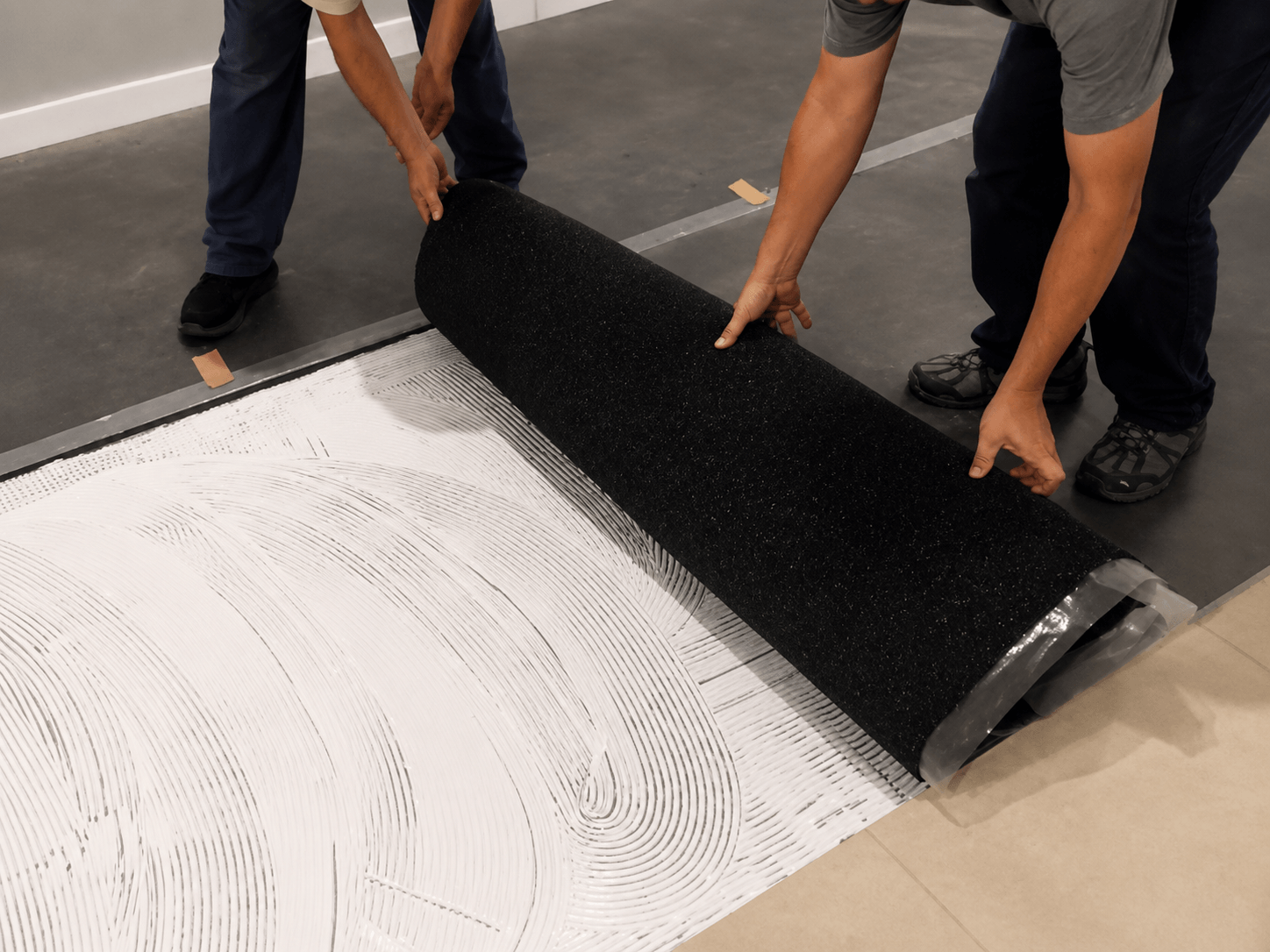
Full glue-down rubber flooring installation

Full Glue-Down Installation

Rubber flooring is fully bonded to the prepared substrate with a compatible adhesive, providing stronger fixation and dimensional stability for permanent or high-traffic installations.
Adhesive Use Full
Minimal Full
Replacement Flexibility Lower
Low High
Permanent Fixation High
Low High
Layout Flexibility Low
Low High
Typical Project Use
Large Permanent Spaces High-Traffic Areas Fixed Flooring Layouts

Not Sure Which Installation Method to Use?

Share your flooring type, substrate conditions and project requirements with our team. We’ll be happy to help you evaluate the options and recommend an installation approach that suits your project.

From Layout Planning to Finished Rubber Flooring

Rubber tile and mat installation follows a clear sequence from subfloor preparation and layout planning to cutting, fixing, edge finishing and final inspection. Each step helps ensure the flooring fits the space correctly, remains stable in use and achieves a clean, consistent finish.

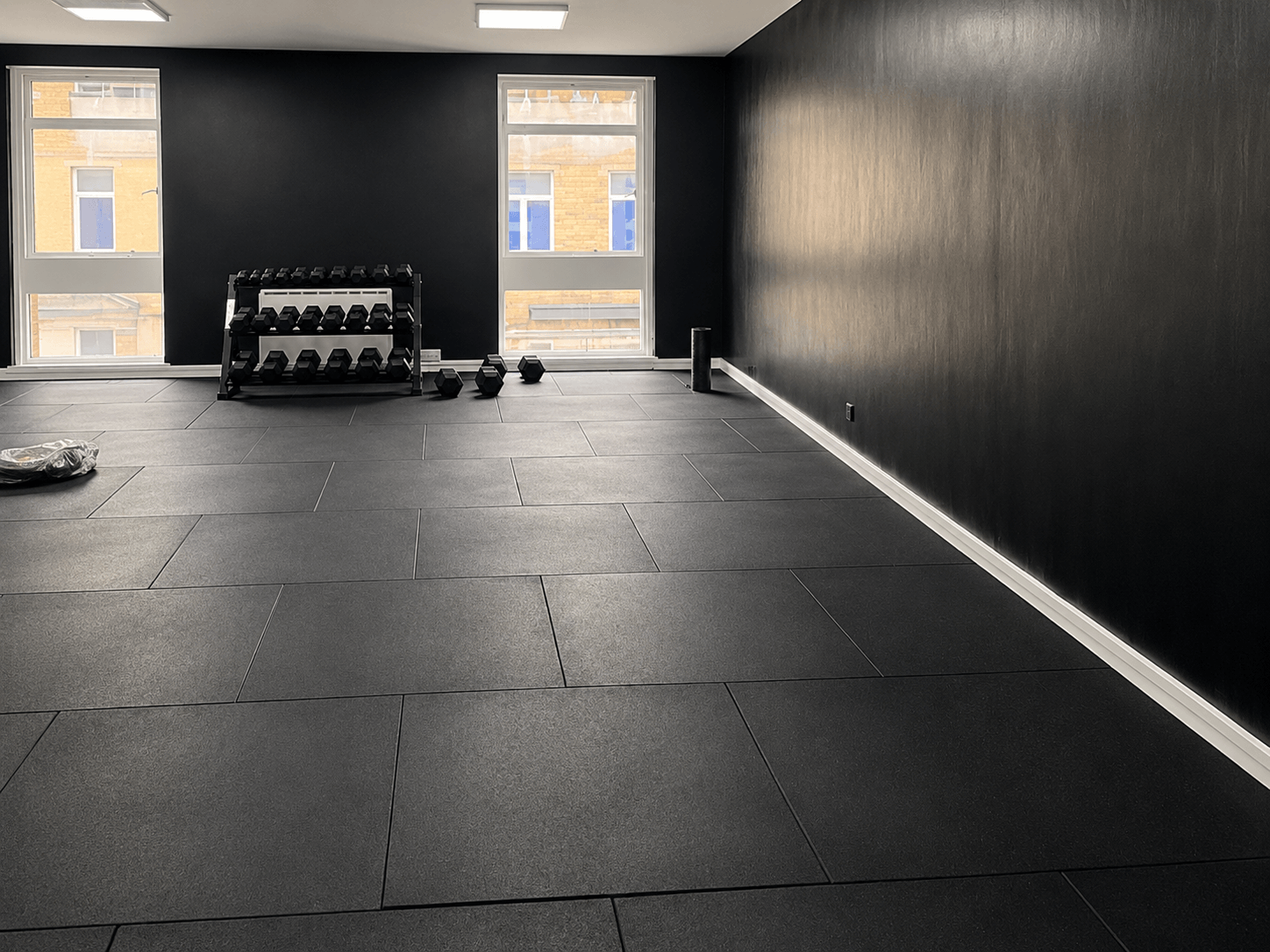
Wall-to-Wall Installation 01

Wall-to-Wall Installation

Rubber flooring extends across the full room, with perimeter edges finished neatly against walls, skirting or other fixed boundaries.
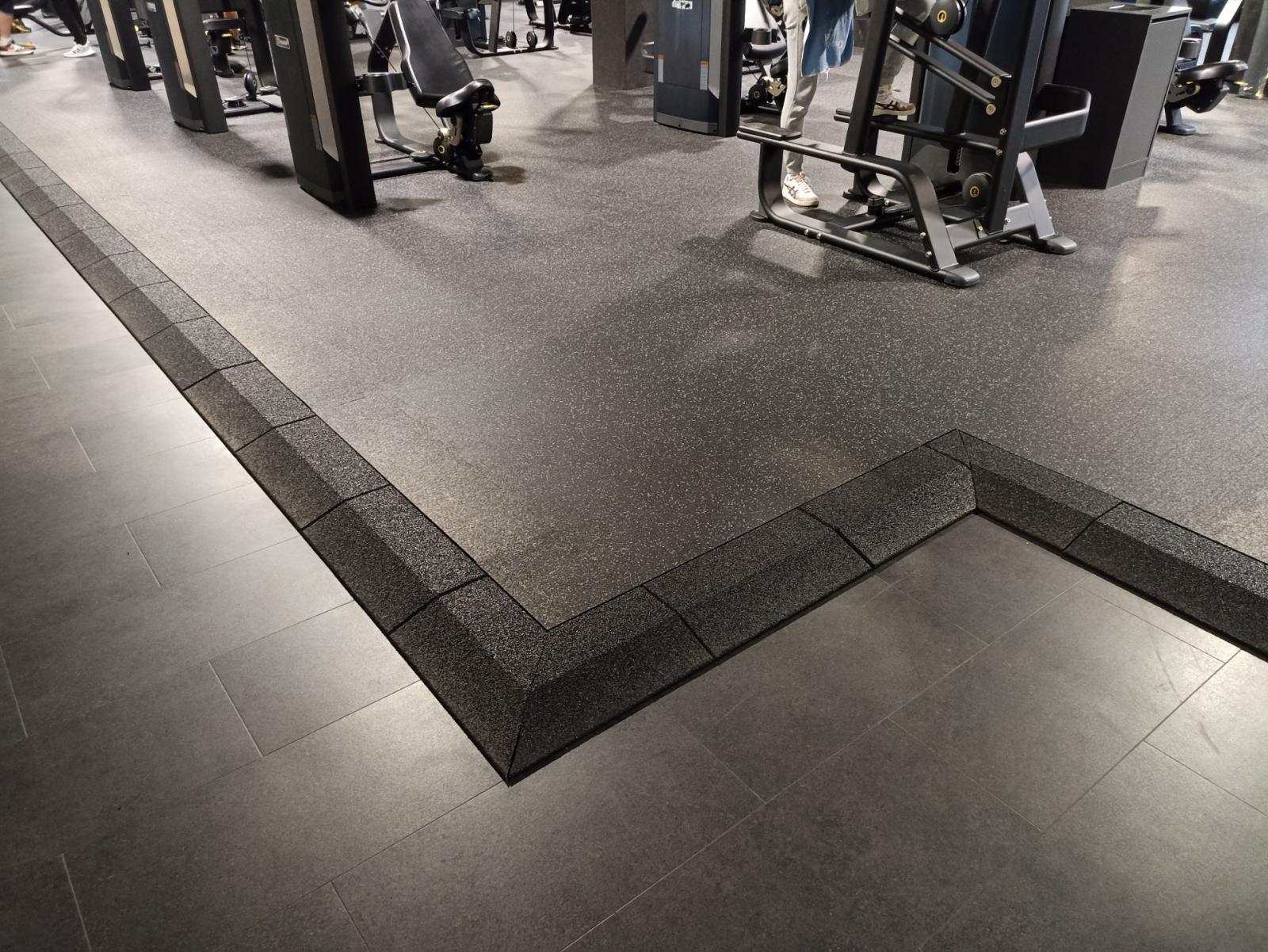
Localized Flooring 02

Localized Flooring

Rubber tiles can be installed only in selected areas such as free-weight zones, equipment areas or training stations.
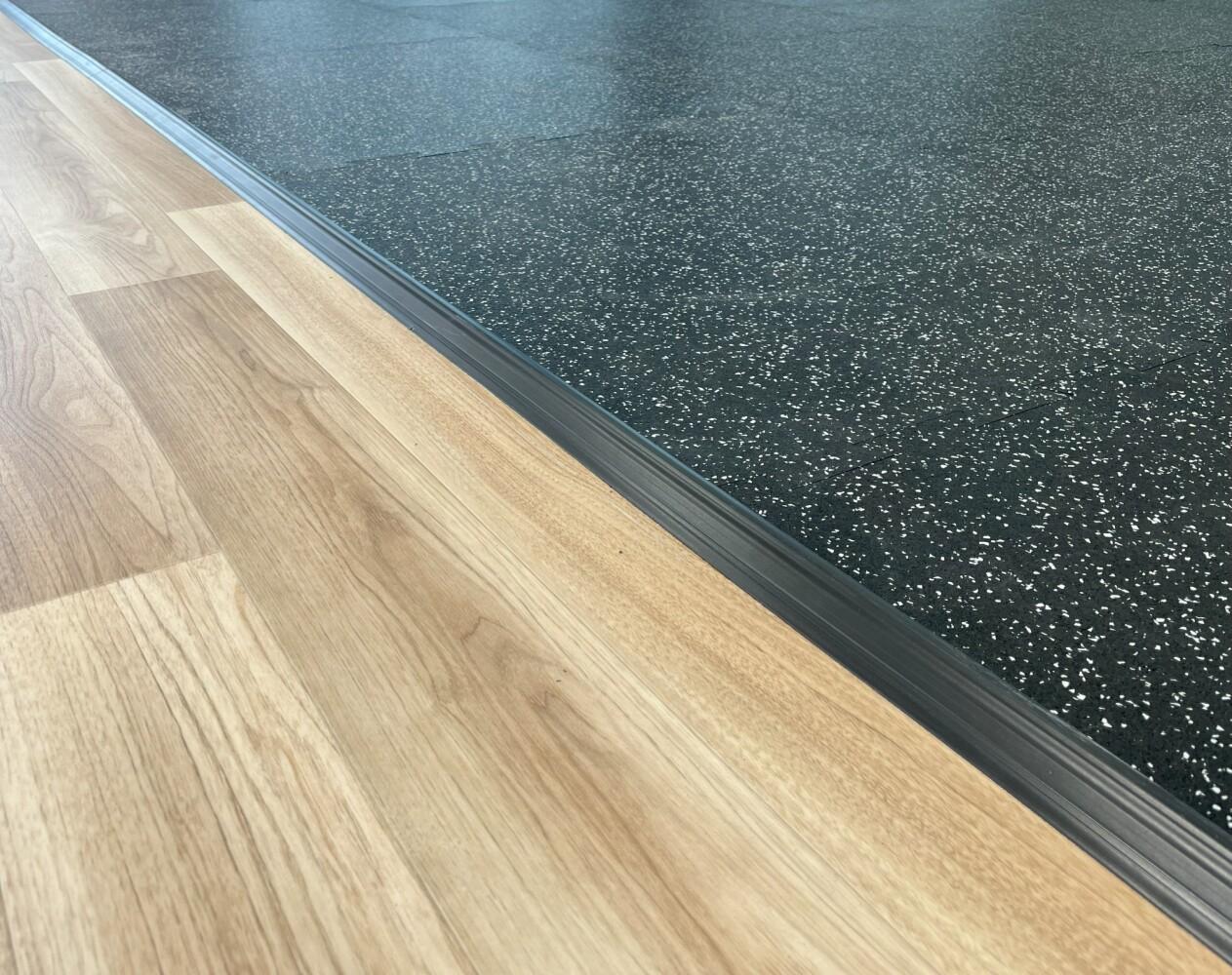
Transition to Existing Flooring 03

Transition to Existing Flooring

Where rubber flooring meets tile, PVC, concrete or other surfaces, transition details help create a clean connection and manage differences in floor height.
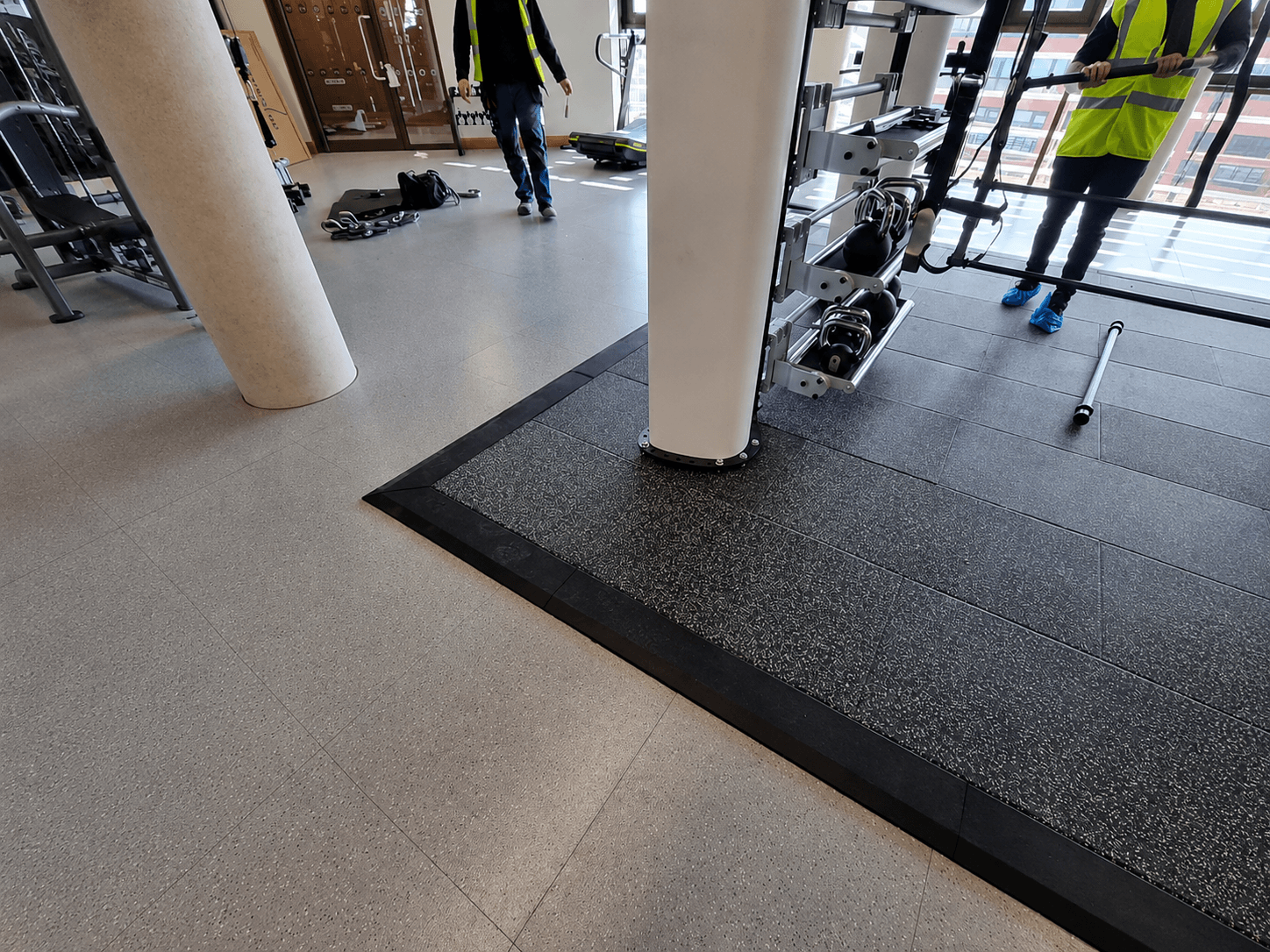
Rubber Tile Corners 04

Corners

Internal and external corners can be finished through accurate cutting, compatible edge pieces or suitable perimeter details.
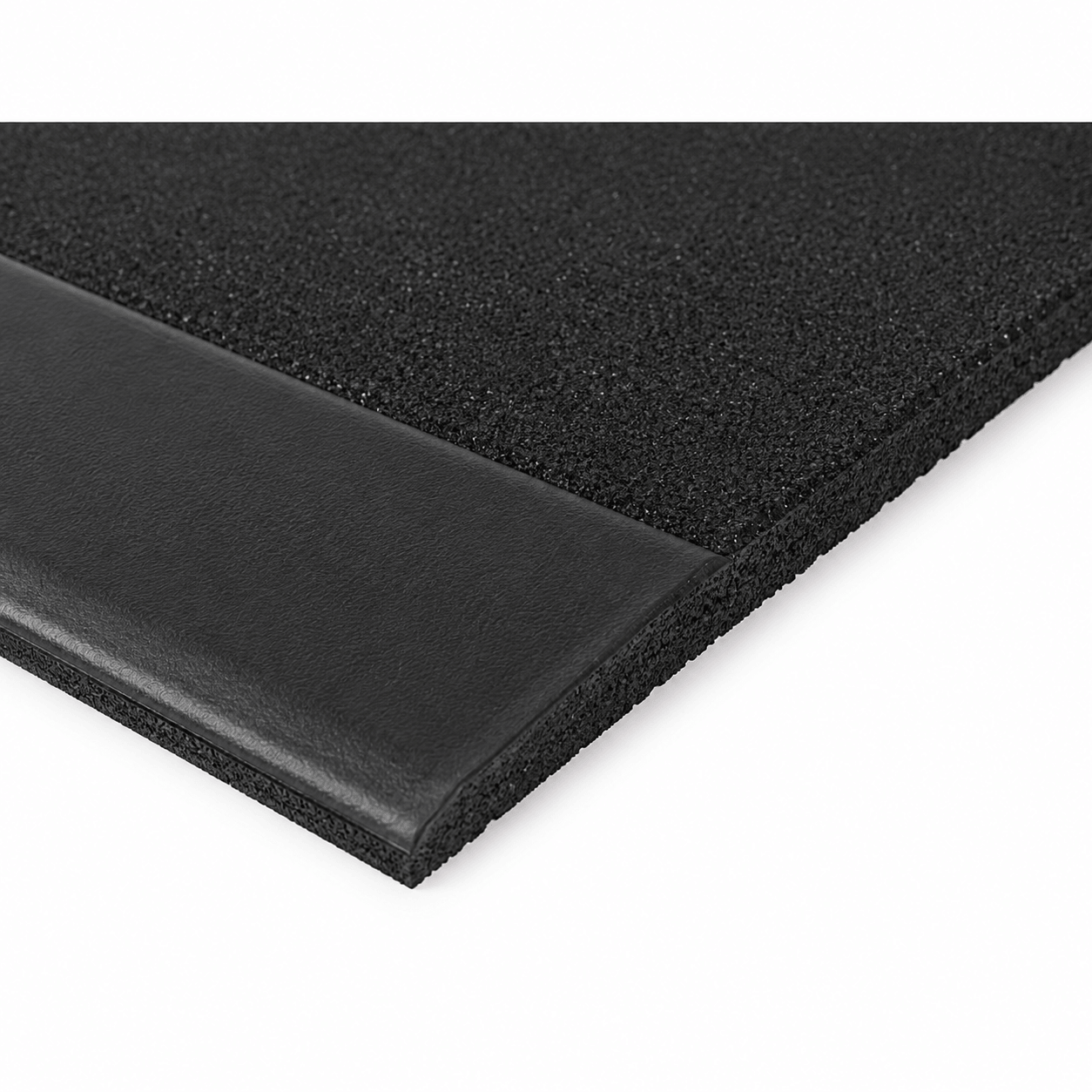
Edge & Transition Options

Rubber flooring layouts may include open edges, external corners or connections to existing floor surfaces. Rubflo supplies compatible edge ramps and transition profiles to help complete the installation, improve accessibility and create a consistent finished appearance.

Straight Edge Ramp

A sloped edge piece used along open straight sides of localized rubber flooring areas to create a smoother transition to the surrounding floor.

OPEN EDGE

Straight Edge Ramp

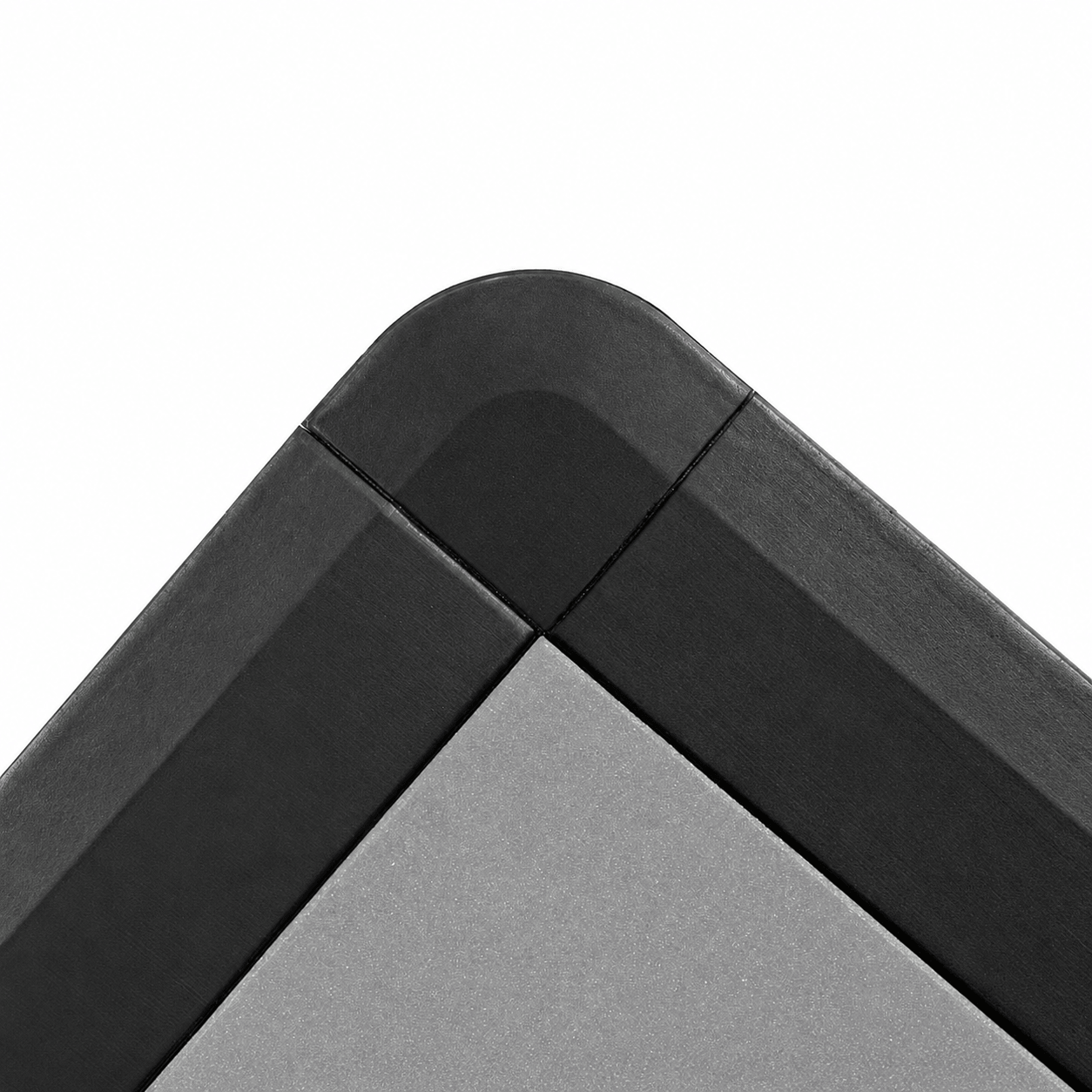
Corner Ramp

A matching corner piece used where ramped edges meet at external corners, helping complete the perimeter with a consistent finished detail.

EXTERNAL CORNER

Corner Ramp

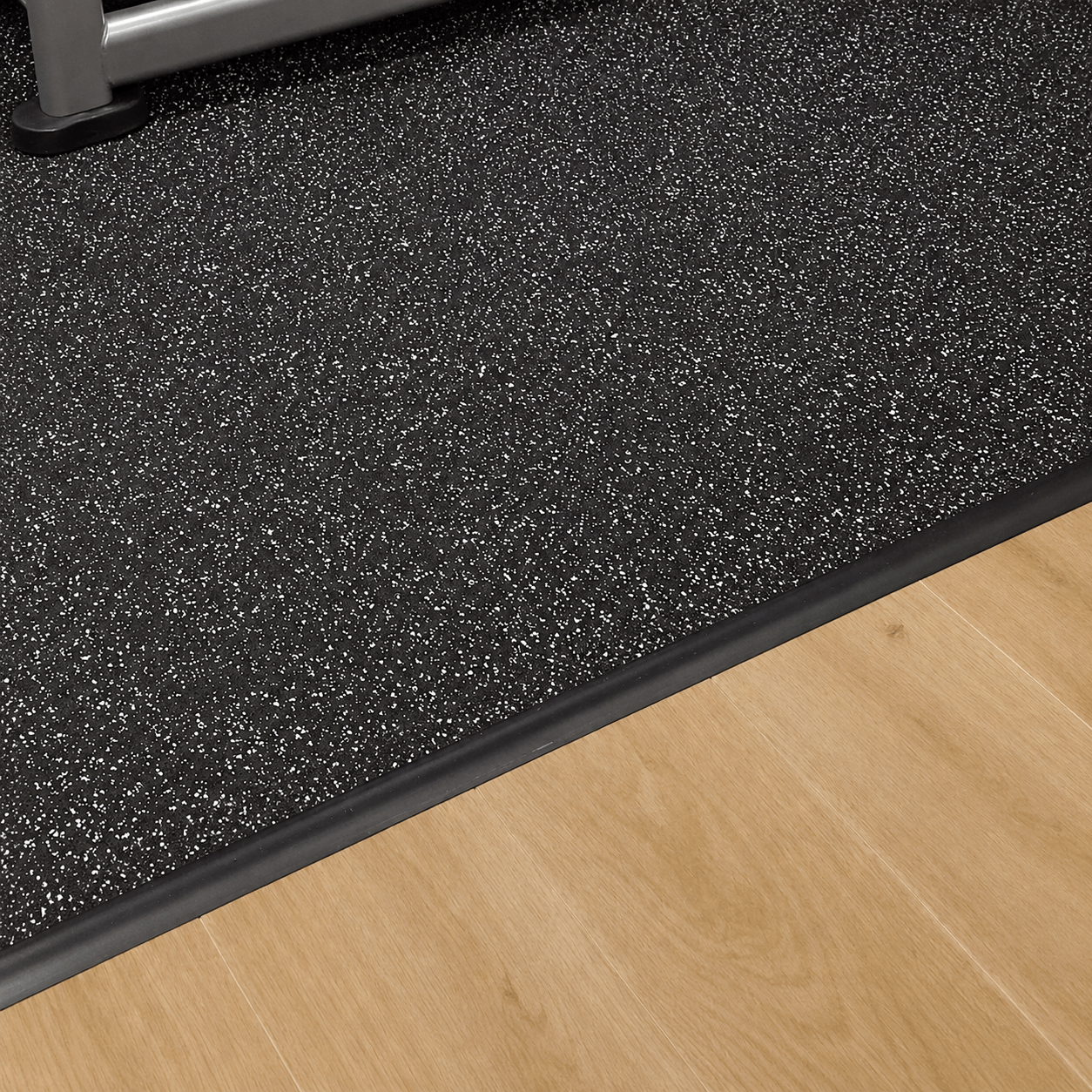
Transition Profile

A finishing profile used between rubber flooring and adjacent floor materials to manage the joint, accommodate minor height differences and create a cleaner transition.

FLOOR TRANSITION

Transition Profile

From Layout Planning to Finished Rubber Flooring

Rubber tile and mat installation follows a clear sequence from subfloor preparation and layout planning to cutting, fixing, edge finishing and final inspection. Each step helps ensure the flooring fits the space correctly, remains stable in use and achieves a clean, consistent finish.

Checking and preparing the subfloor before rubber flooring installation
01

Check & Prepare the Subfloor

Check the subfloor for flatness, strength, moisture, cleanliness and any areas that need repair before installation.

02

Plan the Flooring Layout

Confirm the starting point, laying direction, equipment areas and seam arrangement before installation begins.
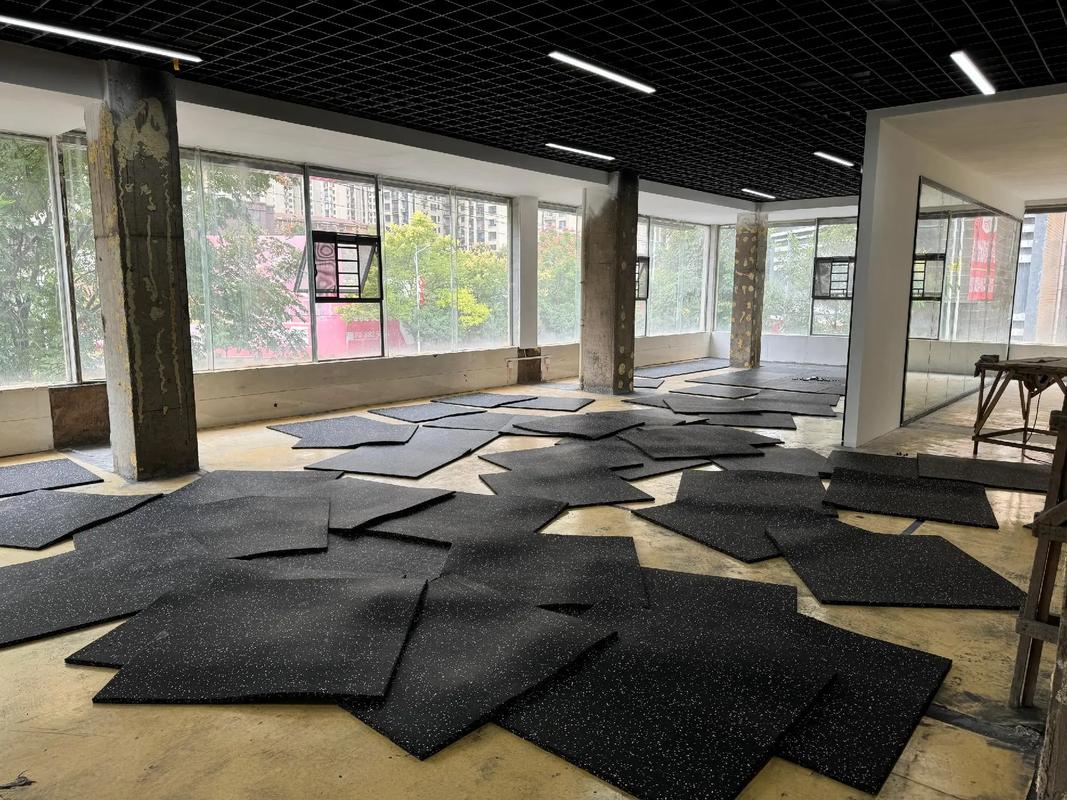
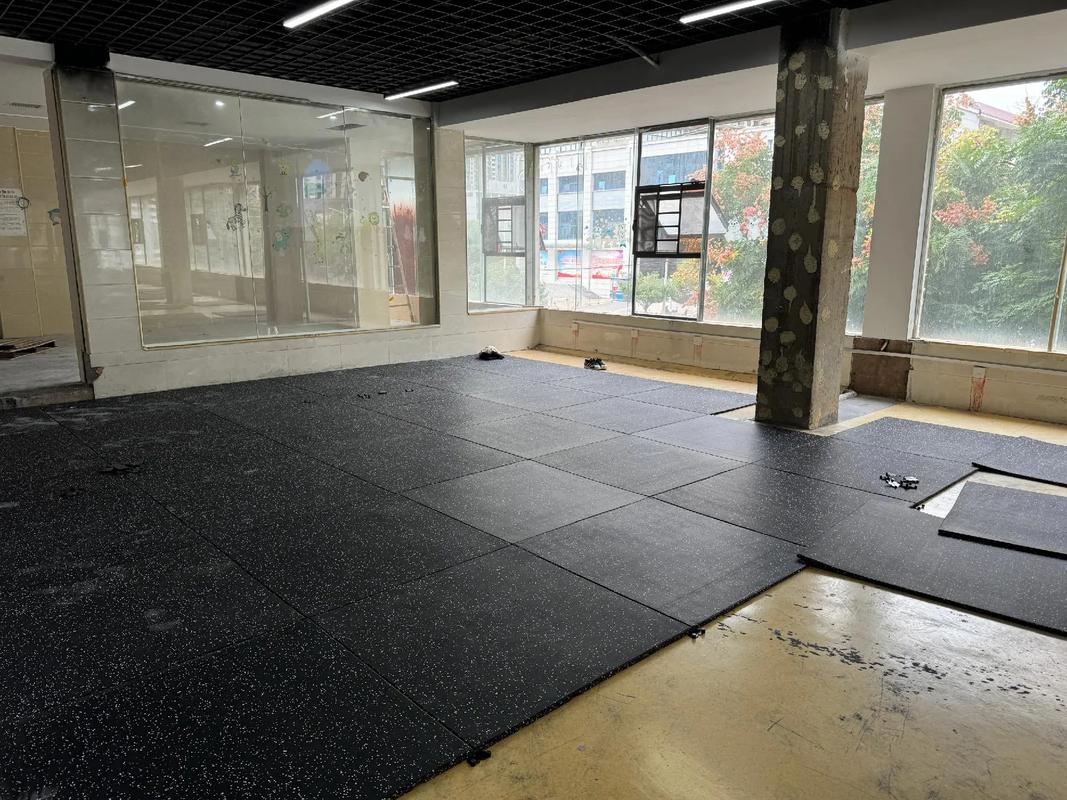
Planning the rubber flooring layout before installation
Setting out and cutting rubber flooring during installation
03

Set Out & Cut the Flooring

Dry-lay the flooring where required and cut pieces neatly around edges, corners and obstacle positions.

04

Install & Secure the Tiles

Install the tiles or mats using the selected connector, loose-lay or adhesive method according to project needs.
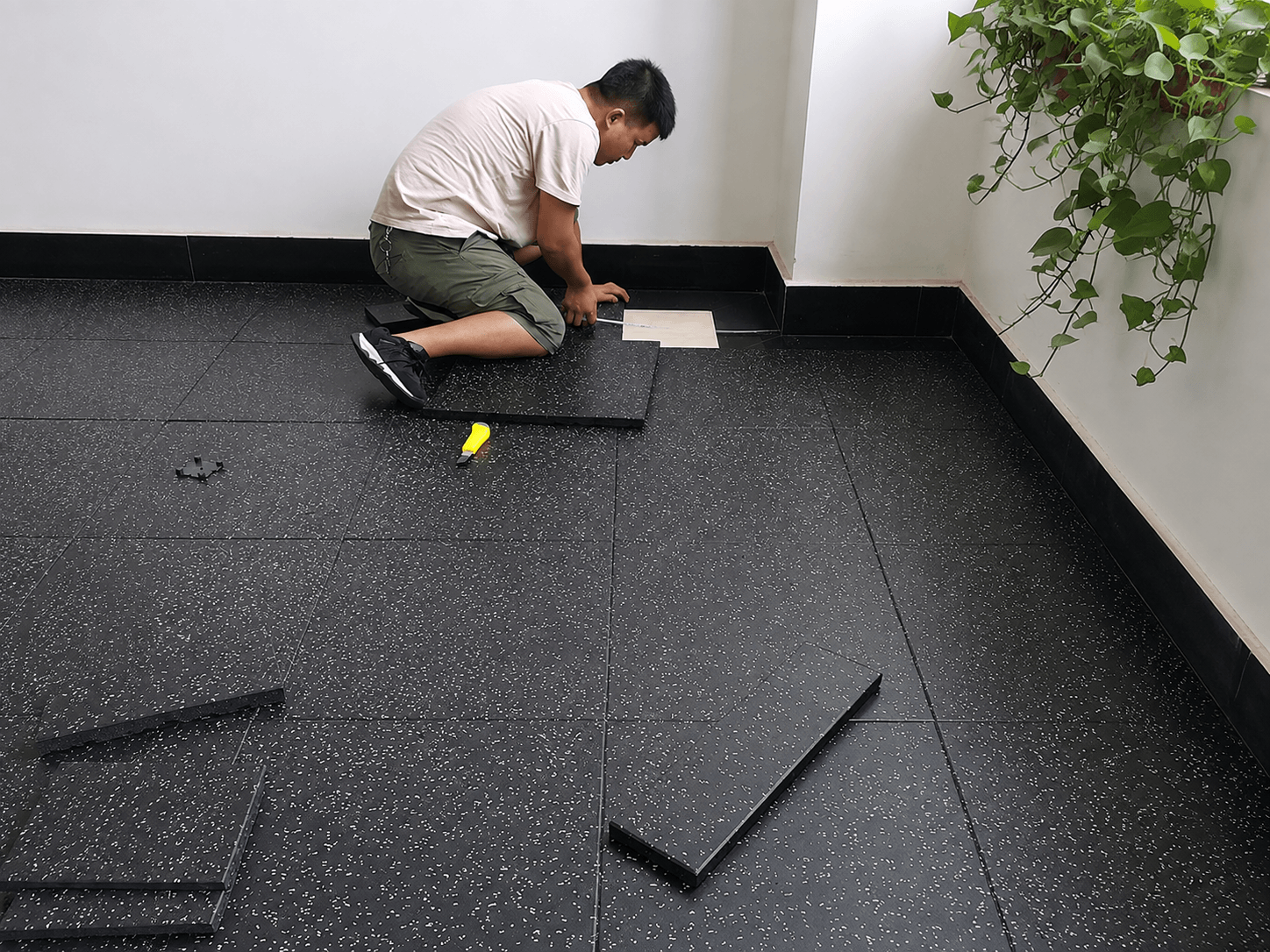
Connector-assisted glue-free installation of rubber tiles
Finishing rubber flooring around edges and transitions
05

Finish Edges & Transitions

Complete perimeter edges, door thresholds and local transition details to create a neat and secure finish.

06

Inspect the Finished Floor

Inspect seams, flatness, edges and overall flooring stability to confirm that the installation is complete and ready for use.
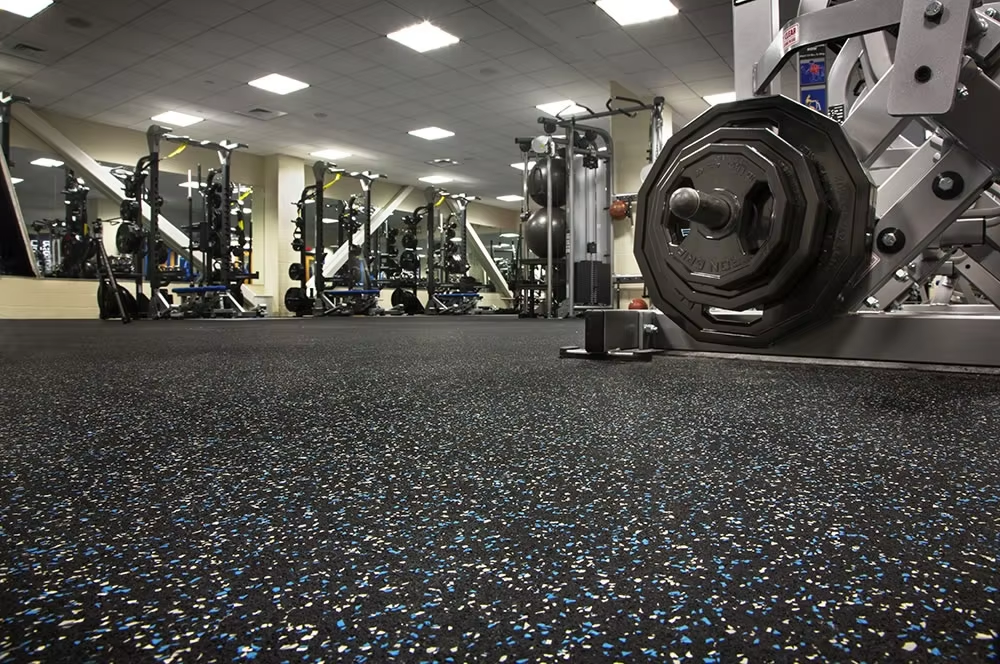
Finished speckled rubber flooring after installation

Where Rubber Tile Flooring Systems Are Used

Rubber tile and mat systems can be adapted to different project environments, from gyms and playgrounds to walkways and recreational areas, with flooring formats selected around load, cushioning, maintenance and installation requirements.

Rubber tile flooring for gym and fitness areas

Gym & Fitness

Heavy Loads Impact Modular Installation

Rubber tiles and mats provide a practical flooring option for gyms and fitness spaces where equipment loads, impact resistance and modular installation need to be considered together.

Explore Gym Flooring
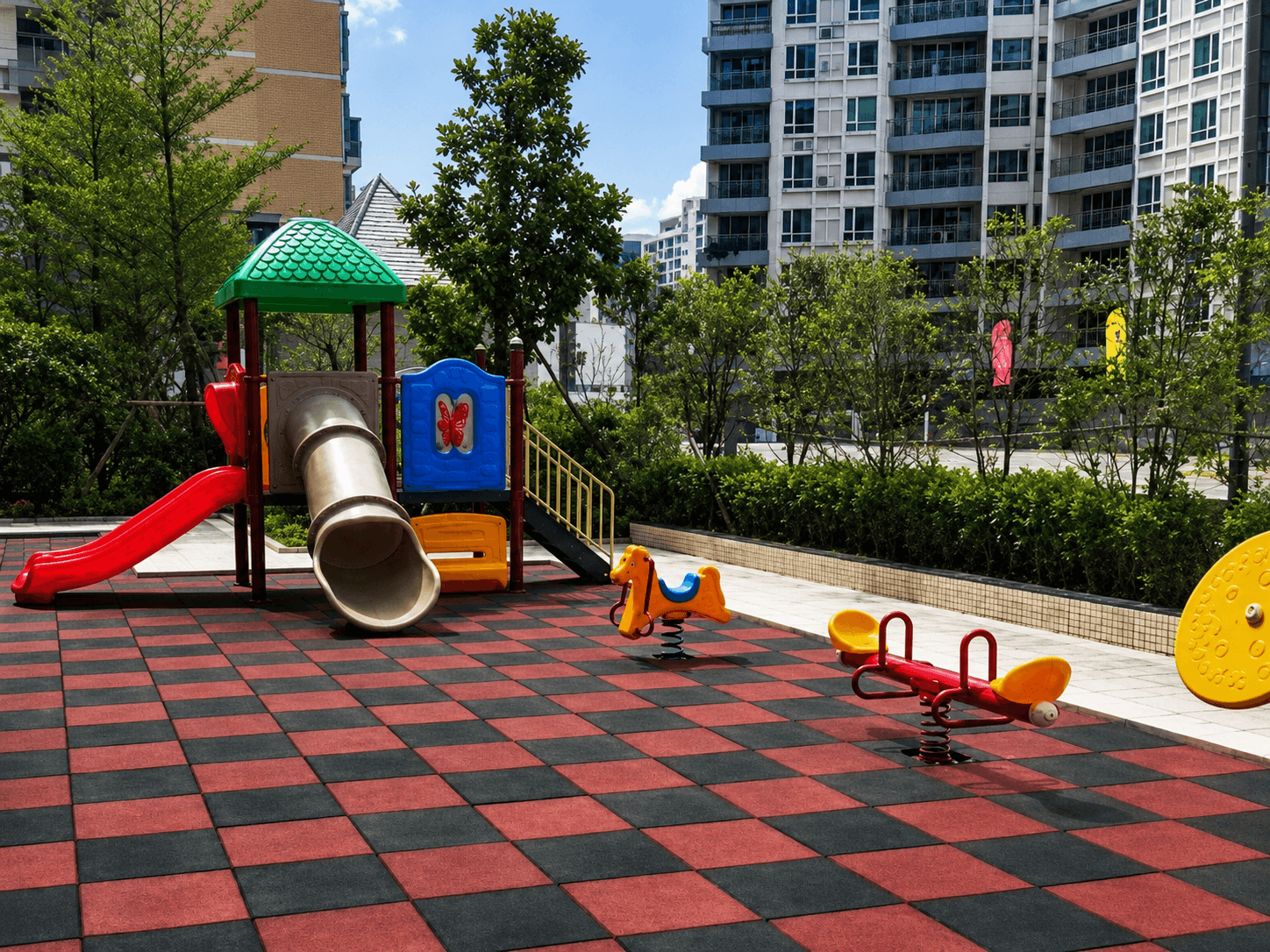
Rubber floor tiles for playground and safety areas

Playground & Safety Areas

Cushioning Modular Replacement Edge Solutions

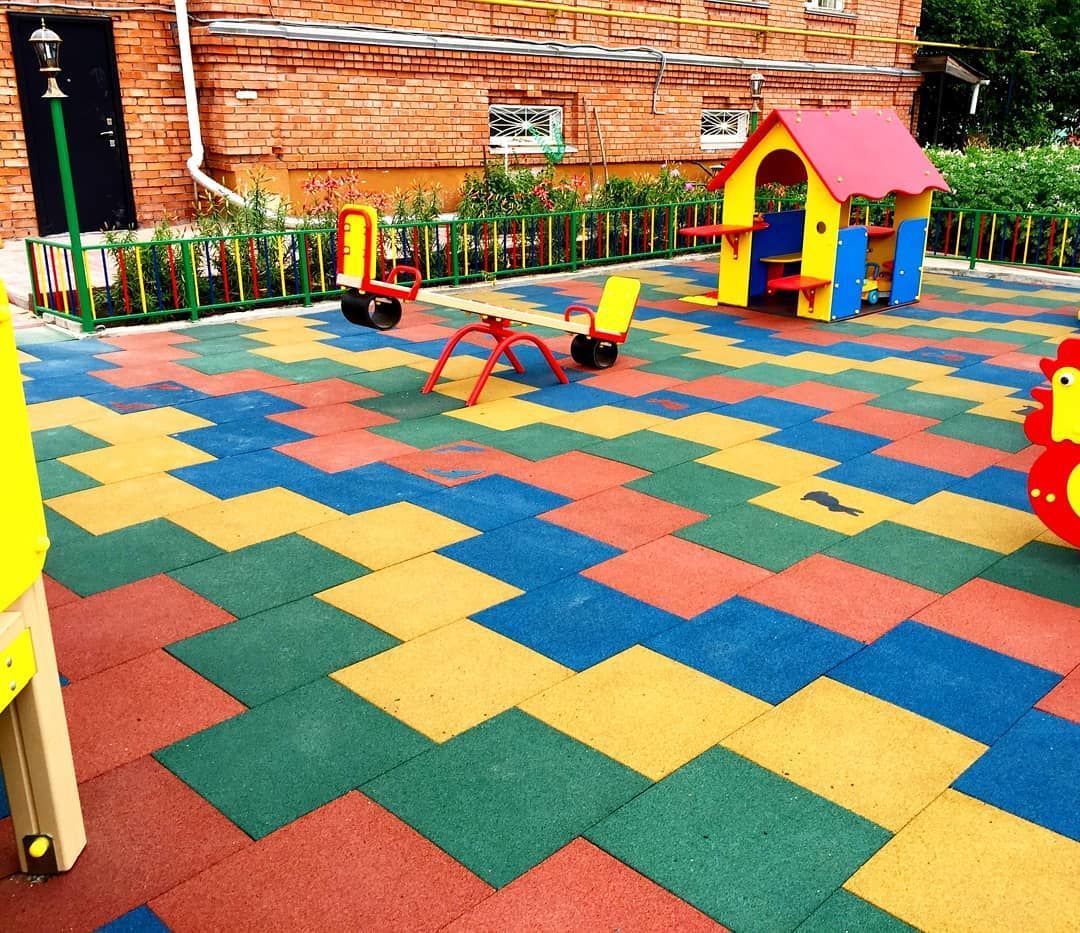
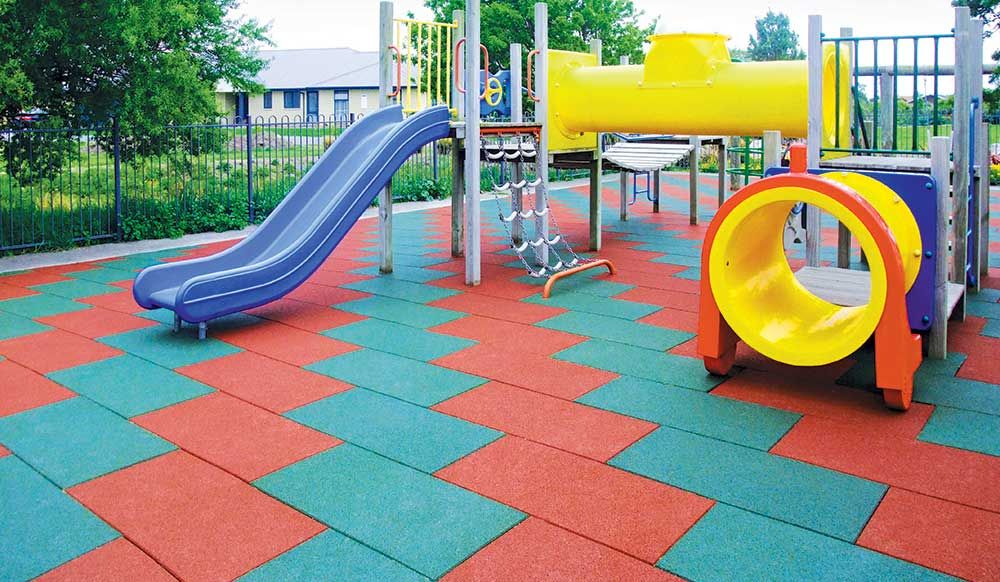
Modular rubber tiles can support cushioned playground and safety surfaces while allowing localized replacement and practical edge or transition solutions where required.

Explore Playground Flooring
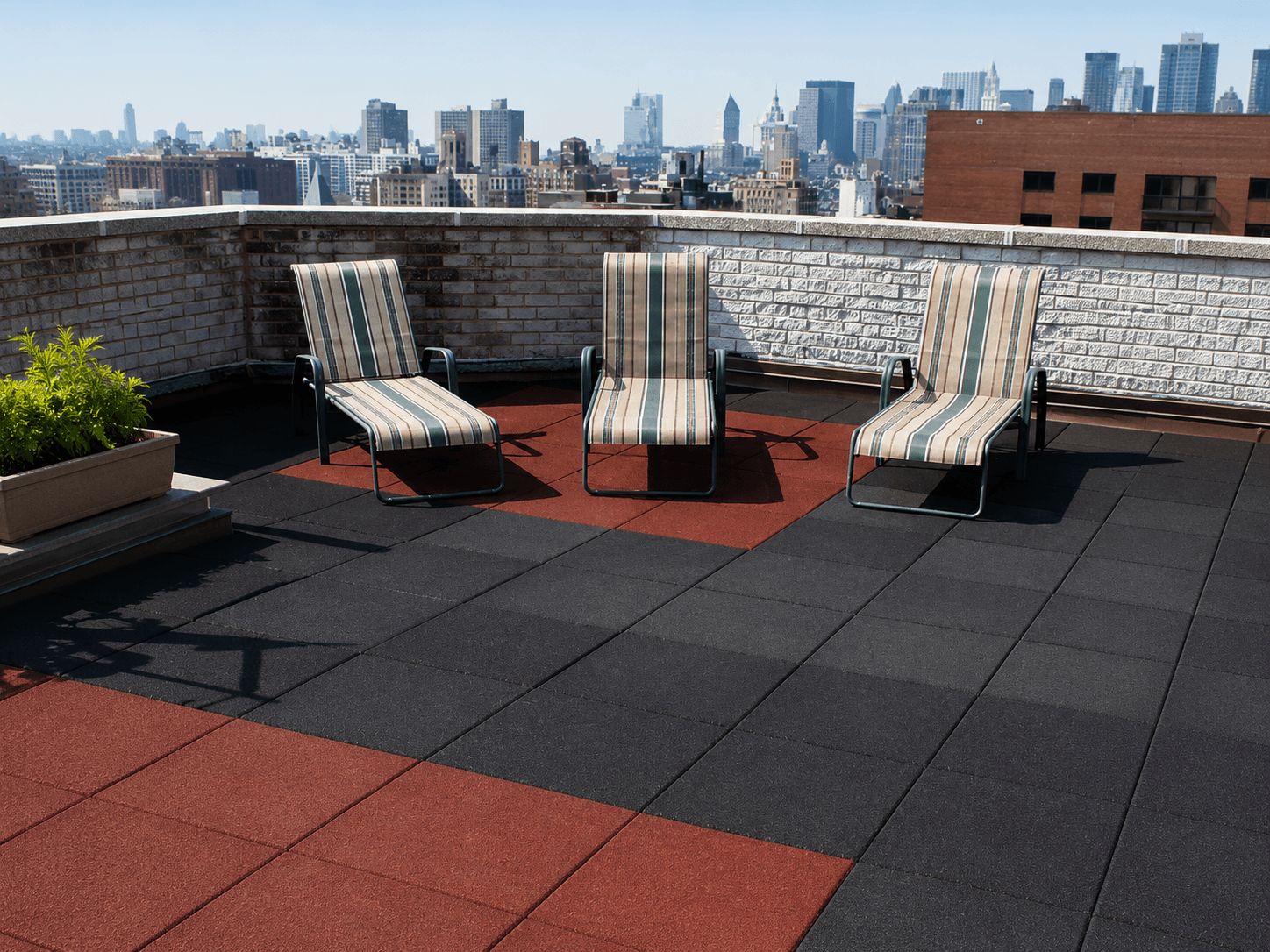
Rubber tile flooring for walkways and recreational areas

Walkways & Recreational Areas

Durability Comfort Easy Maintenance

Rubber tile systems can create durable and comfortable surfaces for walkways, terraces and recreational areas, while modular construction helps simplify maintenance and localized replacement.

How Rubflo Supports Your EPDM Flooring System

From system build-up and material quantity planning to layer thickness, color and layout coordination, technical documentation and delivery planning, Rubflo helps organize the key project details before installation begins, supporting a smoother and more efficient construction process.

Recommend suitable rubber flooring products, formats and thickness options based on application requirements, expected usage and project conditions.

Review substrate conditions and help determine the appropriate flooring structure, installation method and system build-up.

Provide guidance on suitable installation approaches, fixing methods and preparation requirements for different flooring formats.

Support project planning with layout suggestions, material quantity estimation, and edge or transition solutions for a complete finish.

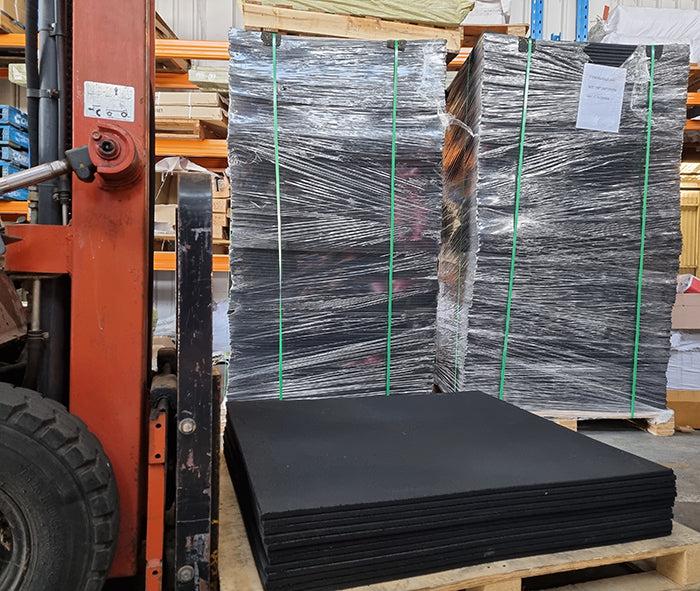
Assist with packaging solutions, shipment planning and delivery coordination to help ensure materials arrive ready for installation.
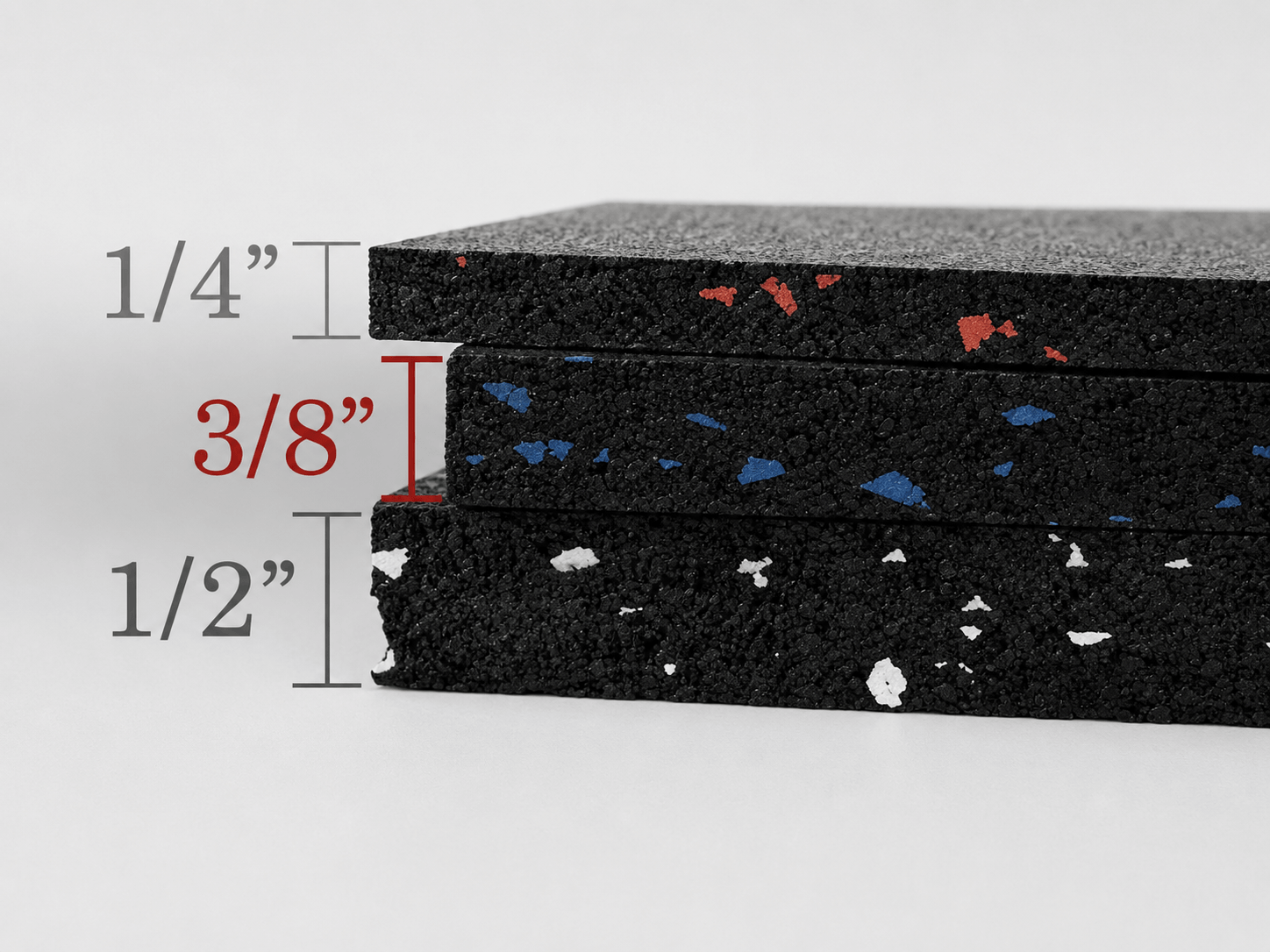
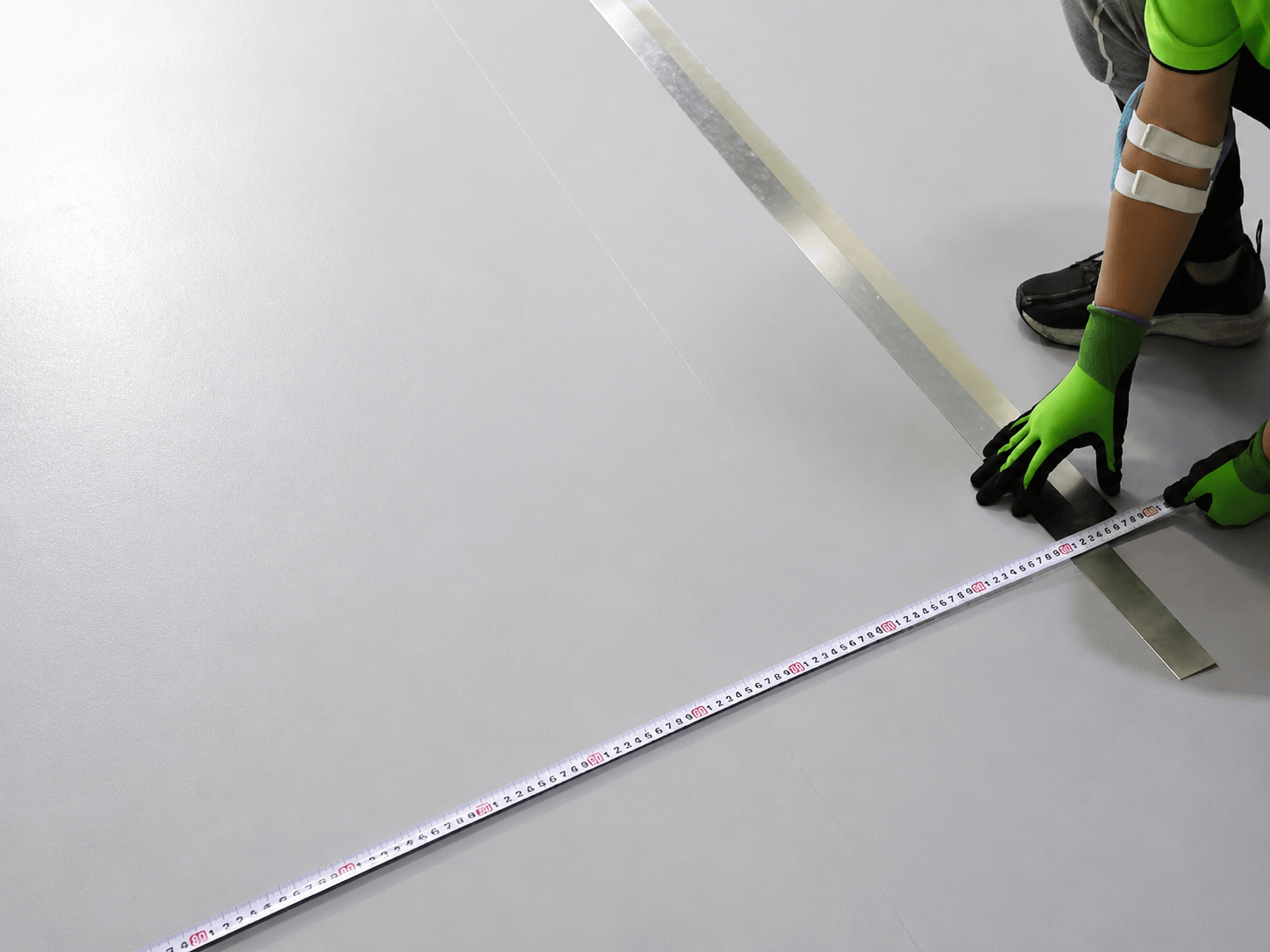
Rubber flooring product and thickness selection Subfloor review and flooring system planning Connector-assisted glue-free installation method Rubber tile and mat layout and quantity planning Rubber tile and mat packing and delivery planning

Reference Projects with Rubber Flooring Systems

Discover how Rubflo rubber flooring solutions are applied across different environments, including fitness facilities and playground spaces. Each project demonstrates the flexibility of rubber materials in creating functional, comfortable and visually coordinated surfaces.

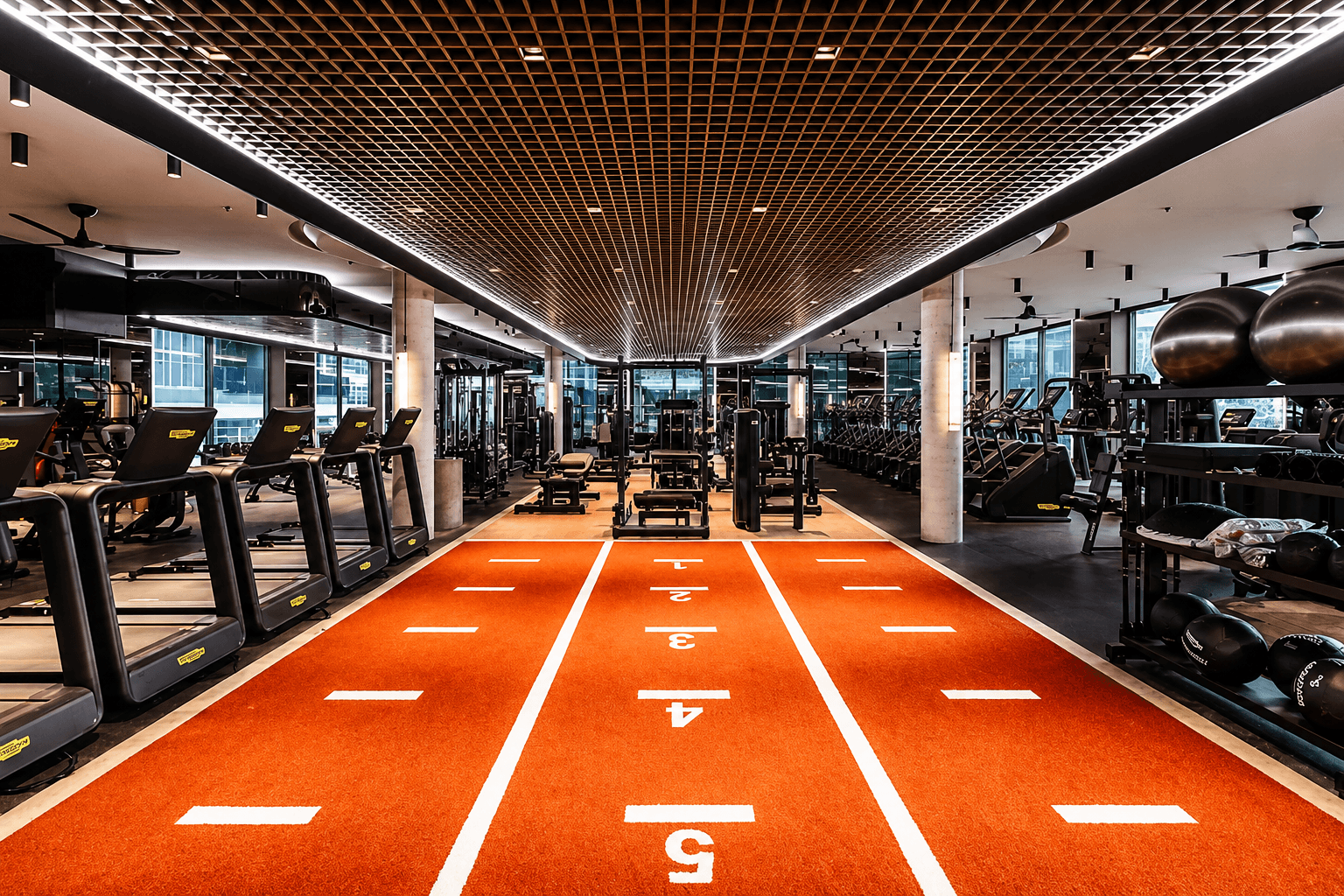
Urge Fitness gym in New Zealand with rubber flooring across multiple training zones
DIFFERENT TRAINING ZONES, ONE FLOORING SYSTEM

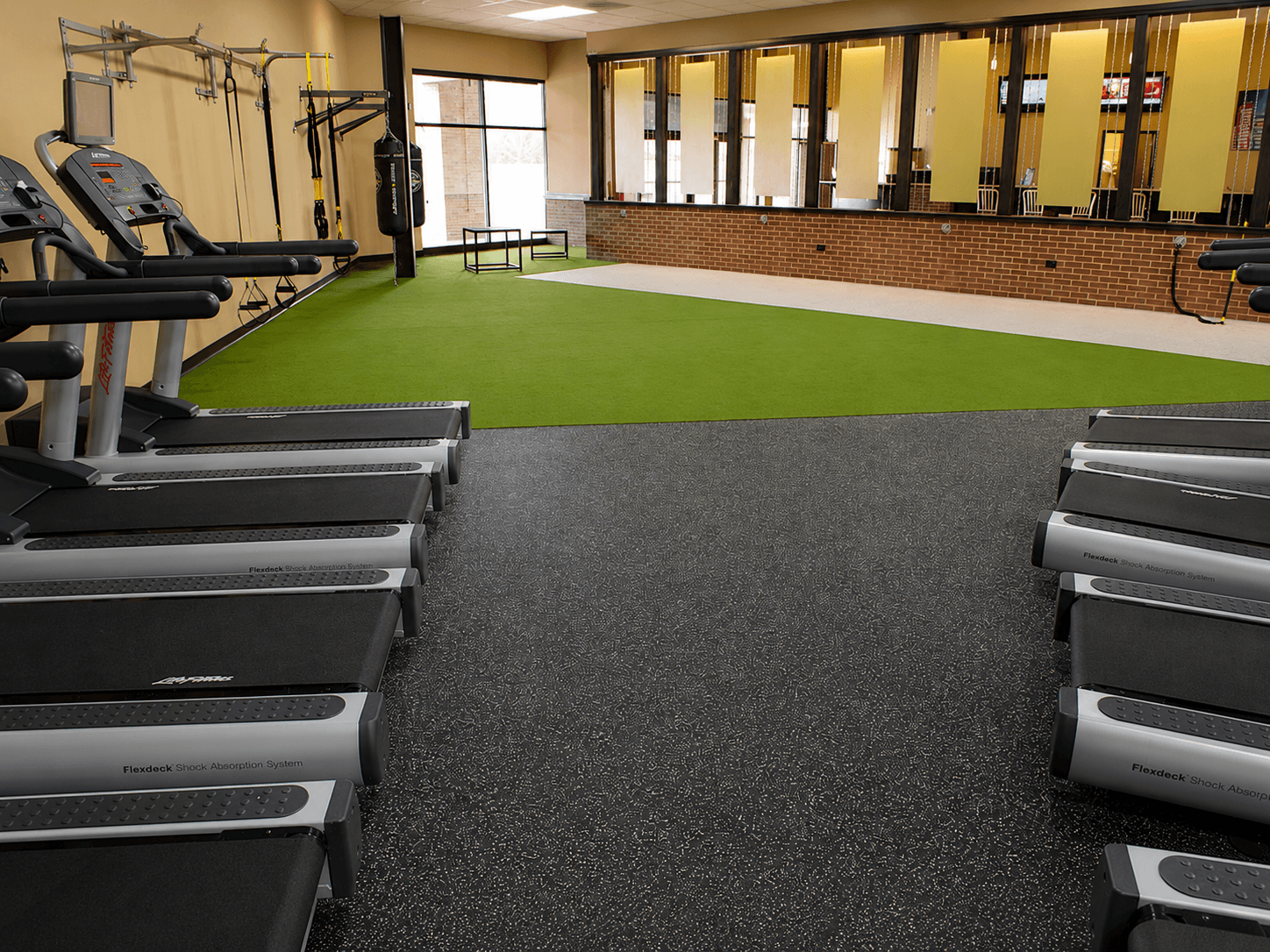
Rubflo provided rubber flooring solutions across multiple training areas at Urge Fitness, helping connect strength, cardio, functional and group exercise zones within one cohesive environment. The flooring system was planned around how each area is actually used.

Urge Fitness

New Zealand · Multi-Zone Gym Flooring

Heidelberg University gym flooring with custom colors and branded graphics
CUSTOM COLORS · LOGOS · GRAPHICS · ZONING

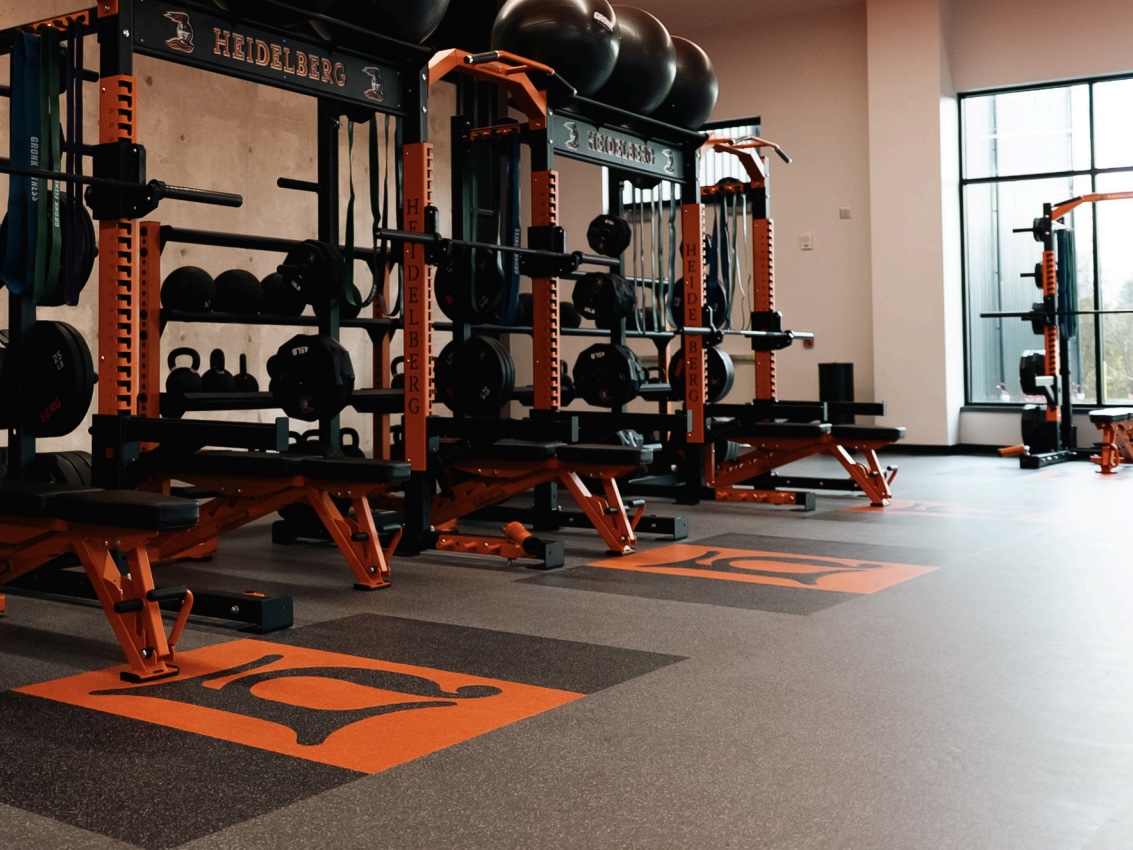
At Heidelberg University, custom color blocking and branded graphics were integrated into the gym flooring to help define training zones while reinforcing the university's visual identity throughout the facility.

Heidelberg University

Germany · Custom Branded Gym Flooring

Explore Related Surface Solutions

Frequently Asked Questions About Rubber Tile & Mat Solutions

Some rubber tile and mat products can be used for outdoor applications. Outdoor installations should consider factors such as UV exposure, drainage, temperature changes, moisture and expected usage intensity. Rubflo can recommend suitable rubber flooring solutions based on the specific requirements of each project.

Yes. One of the advantages of modular rubber tile flooring is the ability to replace individual tiles when necessary. The replacement process depends on the installation method. Interlocking or connector-based systems generally allow easier tile replacement, while fully bonded installations may require more careful removal and repair procedures.

Exposed rubber tile edges can be finished with compatible edge ramps or transition components to create a smoother connection between the rubber flooring and surrounding surfaces.

Rubber tile flooring requires a stable, level and suitable subfloor to achieve reliable long-term performance. Before installation, the substrate should be checked for flatness, strength, moisture condition, cleanliness and any cracks or damaged areas. Common substrates include concrete, existing hard floors and other properly prepared surfaces.

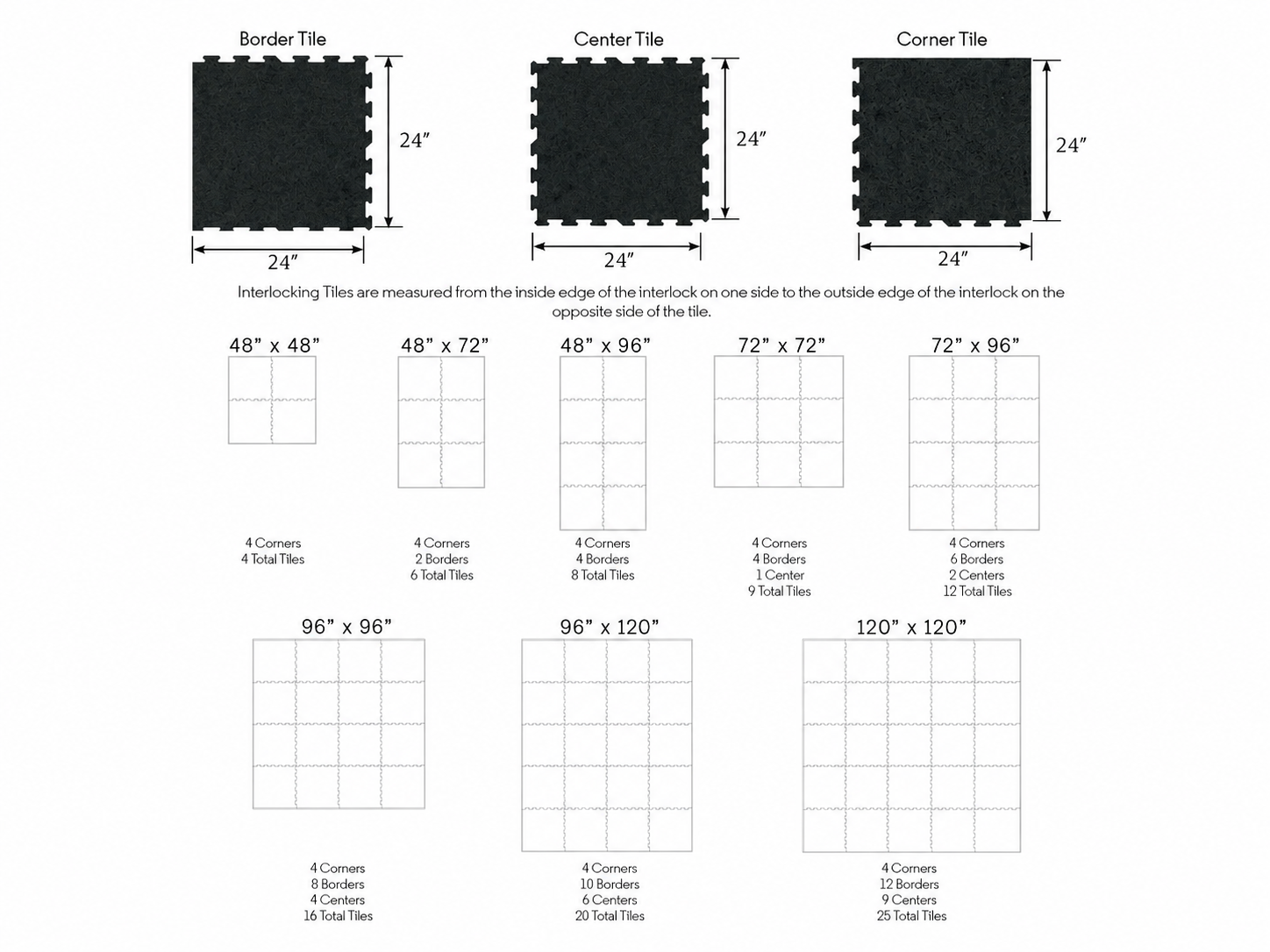
The required quantity depends on the total installation area, tile dimensions, room layout, cutting requirements and additional allowance for waste.

A basic calculation is: Required quantity = Total flooring area ÷ Coverage area per tile

For projects with irregular layouts, multiple zones or complex equipment arrangements, Rubflo can assist with material quantity planning and layout recommendations.

Contact Us

Share your application, material requirements, and project details with Rubflo. We’ll help you identify suitable materials and system options.

滚动至顶部