Introduce
Choosing the right playground surface is one of the most important decisions in creating a safe and enjoyable play environment. Many playground projects need a solution that can handle children’s daily activities while maintaining good appearance and performance under outdoor conditions.
EPDM rubber surfacing is widely used in playground flooring applications because it provides design flexibility, durability, and a stable surface structure for different play environments.A playground floor is not only a visual element. It affects children’s comfort, surface safety, maintenance requirements, and the long-term value of the project.
This is why many contractors, schools, and project owners consider EPDM rubber granules for playgrounds when selecting materials for modern playground surfacing systems. This article explains why EPDM is widely used, how it compares with other playground materials, and what buyers should consider before choosing a rubber surfacing solution.
Why Does Playground Flooring Matter for Children’s Safety?
Children’s playgrounds are designed for active movement. Running, jumping, climbing, and playing are all natural parts of children’s activities, which means the surface beneath playground equipment plays an important role in creating a comfortable and safer environment.
Unlike ordinary outdoor areas, playground surfaces need to consider more than durability. A suitable surface should help provide a better balance between impact protection, comfort, slip resistance, and long-term usability.
A suitable playground surface should balance:
- Safety performance
- Daily comfort
- Outdoor durability
- Visual appeal
Why Are EPDM Rubber Granules Used for Playground Surfaces?

EPDM rubber granules for playgrounds are widely used because they combine safety performance, outdoor durability, and design flexibility in one surfacing solution.
Unlike simple hard flooring materials, EPDM-based playground surfaces create a resilient surface structure that is suitable for active outdoor environments.
Safety and Impact Absorption
One of the main reasons playground projects choose EPDM is its elastic performance.
Children naturally fall during play, especially around climbing equipment, slides, and activity areas. A resilient rubber surface can provide a more comfortable experience compared with rigid flooring materials.
Rubflo’s EPDM rubber granules provide characteristics including:
- High elasticity
- Impact absorption
- Shock and vibration absorption
These properties make EPDM a practical material option for playground areas where surface comfort and impact performance are important considerations.
Outdoor Durability in Changing Weather Conditions
Outdoor playground surfaces are exposed to sunlight, rain, humidity, and temperature changes throughout the year. Materials that perform well indoors may not always maintain the same appearance and performance when used outdoors.
EPDM rubber surfaces are designed for outdoor applications and provide resistance to environmental factors such as:
- Ultraviolet radiation
- Ozone
- Acid rain
This helps playground surfaces maintain stable performance and appearance over time.
For project owners, choosing a weather-resistant material can help reduce concerns related to fading, surface wear, and frequent maintenance.
Flexible Designs for More Creative Playgrounds
Modern playgrounds are not only functional spaces. They are also designed to create engaging environments for children.
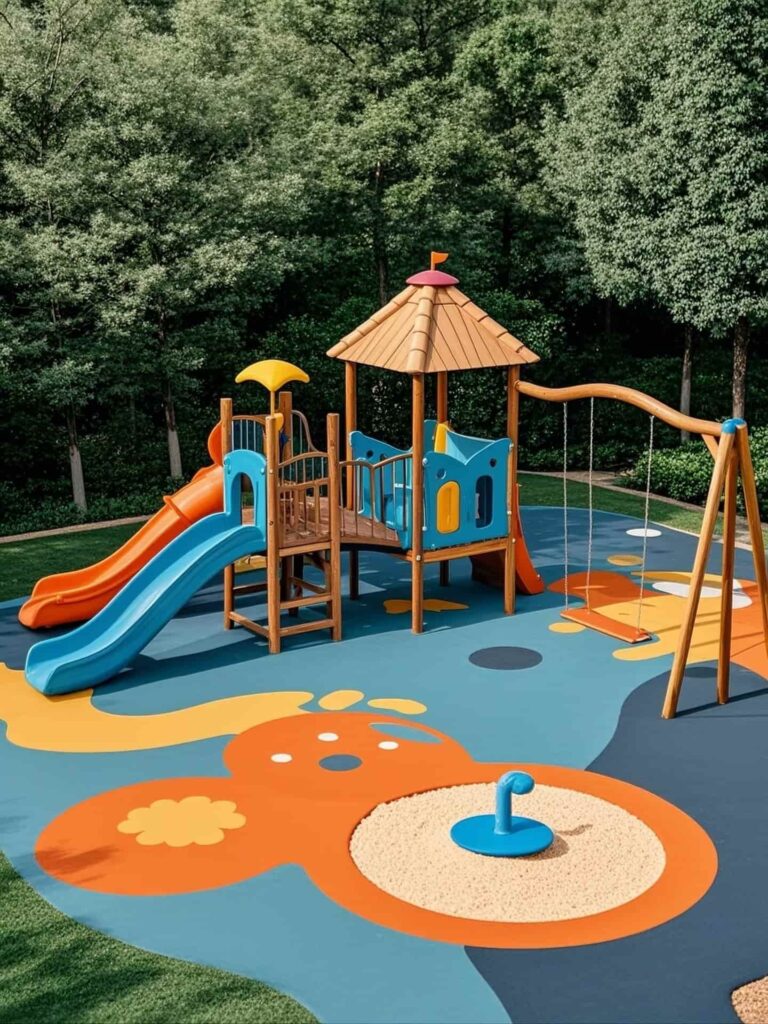
One advantage of EPDM playground flooring is its design flexibility. Different colors and patterns can be combined to create unique playground layouts, activity zones, and visual themes.
EPDM surfaces can support:
- Creative visual concepts
- Custom patterns
- Different activity areas
Rubflo provides colored EPDM rubber granules with customized production options to support different project requirements.


Why Choose EPDM Playground Flooring Over Other Materials?
Not every playground project requires the same type of surface. The ideal solution depends on factors such as safety requirements, usage intensity, maintenance expectations, climate conditions, and design preferences.
Different playground surfacing materials have different characteristics:
| Material | Advantages | Considerations |
|---|---|---|
| Natural Grass | Natural appearance and lower initial cost | Requires regular maintenance and performance can be affected by weather conditions |
| Artificial Turf | Provides a consistent appearance and can be combined with shock pads | Overall safety performance depends on the complete system design |
| Loose-Fill Materials (Sand, Wood Chips) | Simple installation and natural feel | Can shift during use and require regular leveling or replenishment |
| Interlocking PP Tiles | Easy installation, quick replacement, and drainage-friendly design | Harder surface feel and joints may affect surface consistency compared with seamless rubber systems |
| EPDM Rubber Surface | Excellent impact absorption, high durability, seamless appearance, and flexible color customization | Requires professional installation and suitable base preparation |
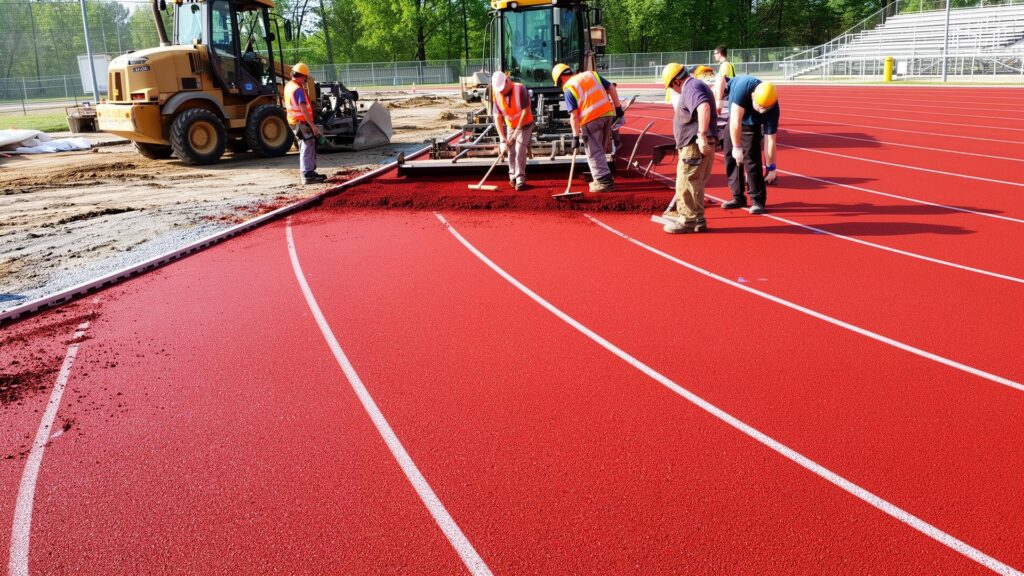
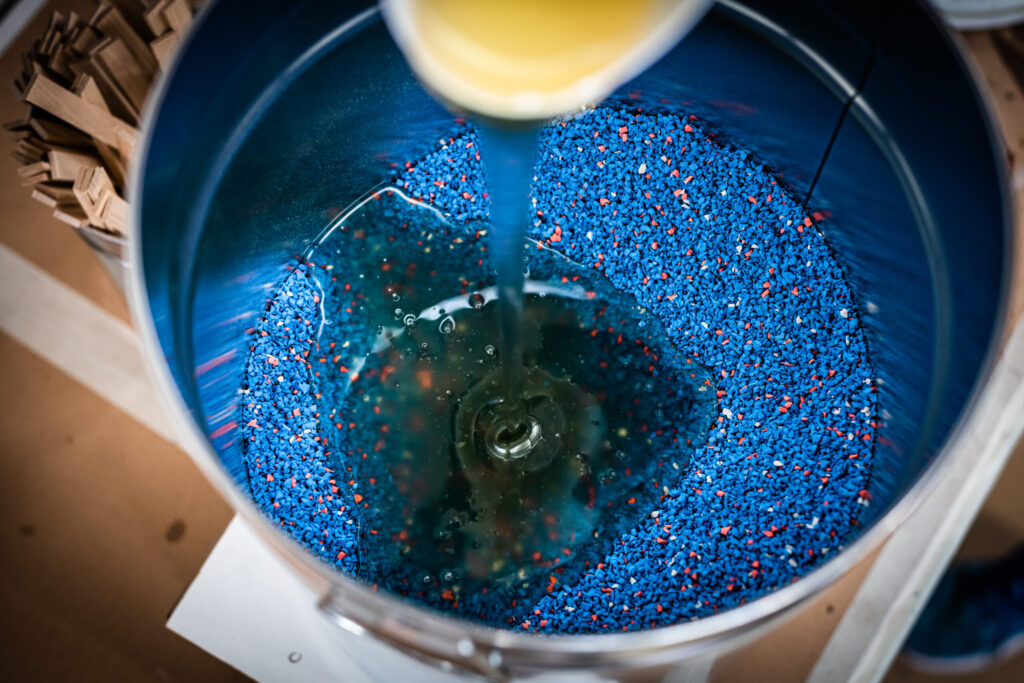
Compared with loose-fill materials, EPDM rubber surfacing provides a more stable and uniform surface structure. Wet-pour EPDM playground surfaces are typically created by combining EPDM granules with polyurethane binder to form a seamless rubber surface.The bonded rubber layer remains in place during daily use, helping maintain consistent performance and appearance.
Compared with modular plastic tiles, EPDM surfaces offer greater design flexibility and a softer elastic feel, making them suitable for playground areas where comfort, safety, and visual customization are important.
EPDM rubber flooring is widely used in playground projects that require a balance of safety, durability, aesthetics, and long-term performance.
The best surface choice depends on the specific requirements of each project, including usage conditions, maintenance plans, and design objectives.

What Should Buyers Consider When Choosing Playground Rubber Granules?
Selecting playground rubber granules requires more consideration than simply choosing a color or material type. Buyers should evaluate whether the solution matches their project requirements.
Before selecting a playground rubber surfacing solution, consider the following factors:
Application Requirements
Different playground projects have different needs.
Examples include:
- Kindergarten playgrounds
- Public playgrounds
- Community recreation areas
- Educational facilities
The intended application affects the required surface design, performance expectations, and maintenance approach.
Surface Performance
A playground surface should provide reliable performance throughout daily use. It needs to handle repeated impact, changing weather conditions, and continuous foot traffic while maintaining a safe and comfortable playing environment.
For modern playground projects, EPDM surfaces also offer design flexibility. Different colors, patterns, and activity zones can be created to match specific playground concepts and project requirements.
Supplier Capability
Material quality is only one part of a successful playground project.
When selecting an EPDM supplier, buyers usually look beyond the material itself. Consistent product quality, clear technical communication, reliable supply capability, and experience with playground applications all influence the success of a project.
Working with a supplier that understands surface requirements and provides consistent EPDM rubber granules supply can help ensure smoother project planning and better results.
For more guidance, read our guide on How to Choose a Reliable EPDM Granules Supplier?
FAQ
The required thickness of EPDM playground flooring depends on the specific project requirements, including playground equipment, expected impact protection needs, and overall surface design.
Factors such as equipment height, application area, and safety requirements should be considered when determining the appropriate thickness.
A professional evaluation is recommended to select a suitable surfacing system for each playground project.
Properly designed EPDM playground surfaces provide slip-resistant performance and are suitable for outdoor environments where surfaces may be exposed to changing weather conditions.
The final performance depends on factors including material quality, surface structure, and installation quality.
The service life of EPDM playground surfacing depends on several factors, including material quality, installation method, weather exposure, usage intensity, and maintenance.
Choosing suitable materials and working with an experienced supplier can help support consistent long-term performance.
The cost of EPDM playground surfacing varies depending on the project requirements. Factors such as playground area, surface thickness, design complexity, base preparation, and installation conditions can all affect the final cost.
For an accurate quotation, suppliers usually need information about the project size, application requirements, and expected surface specifications.
Conclusion
Choosing playground flooring is not only about selecting a material. It is about creating a surface that balances safety, durability, maintenance, and design requirements.
EPDM rubber granules for playgrounds provide a practical solution for projects looking for a resilient, customizable, and visually appealing playground surface.
From kindergartens and public playgrounds to community recreation areas, the right rubber surfacing solution can help create better spaces where children can play comfortably and safely.
If you are planning a playground surfacing project, explore Rubflo’s playground flooring solutions or contact our team to discuss your project requirements.