Introduction
Artificial turf has become a widely adopted surfacing solution for sports facilities, landscape projects, commercial spaces and recreational areas. Compared with natural grass, artificial turf offers a practical solution where low maintenance, consistent appearance and long-term usability are important.
This guide explains what artificial turf is, its main benefits and common applications to help you better understand this versatile surface solution.
What Is Artificial Turf?
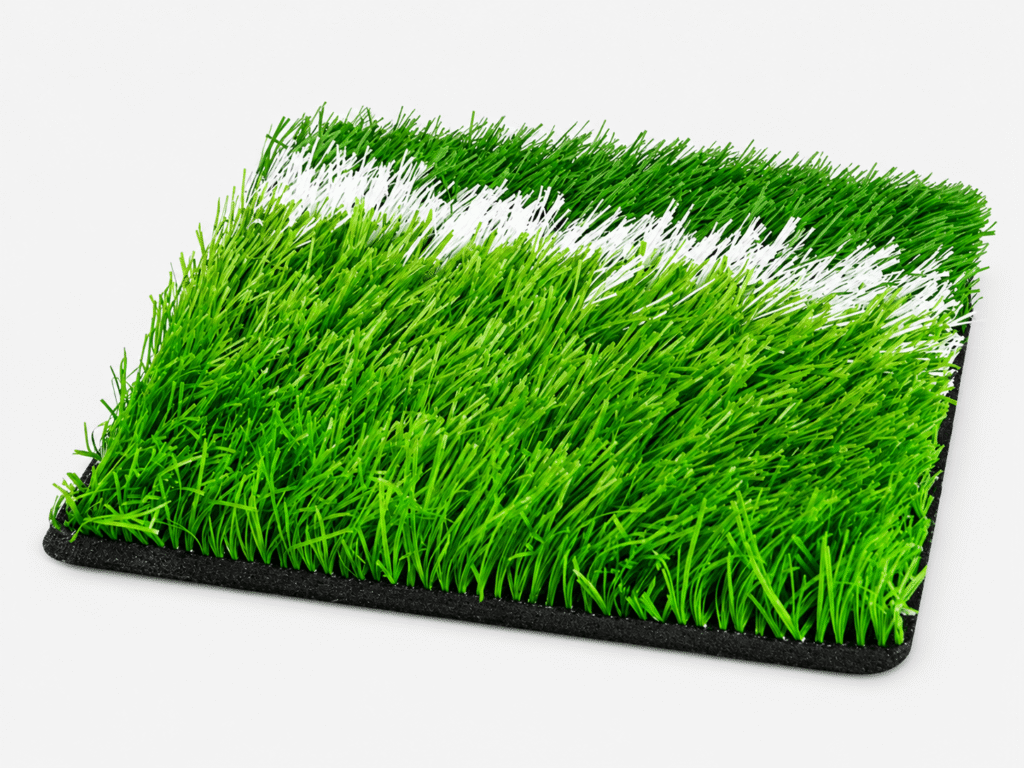
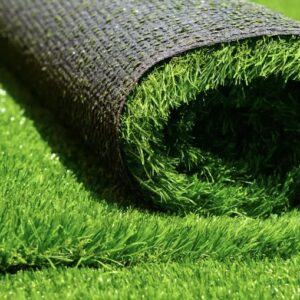
Artificial turf, also known as synthetic grass, is a versatile surfacing solution that recreates the look and feel of natural grass using synthetic fibers and multi-layer backing systems. It offers a durable, low-maintenance alternative for sports fields, landscaping, and recreational spaces.
Unlike natural grass, artificial turf does not require regular mowing, watering or fertilizing. Its performance depends not only on the visible grass fibers but also on the overall turf system, including the backing structure, infill materials and drainage design.

Main Components of Artificial Turf
A complete turf system consists of multiple components that work together to achieve the desired appearance, performance and durability. Each component plays a different role, from the visible fiber layer that creates the natural grass appearance to the backing and infill systems that provide structural support, stability and surface performance.
Artificial Turf Fiber / Yarn
The fiber material directly influences the softness, resilience, appearance and durability of artificial turf. Different fiber materials provide different performance characteristics, allowing manufacturers to balance comfort, durability and cost according to project requirements.
Common artificial turf fiber materials include:
▪ PE (Polyethylene)
PE has become the most common artificial turf fiber material because it combines softness, durability, and a natural appearance. It provides a comfortable surface feel while maintaining good resilience and wear resistance, making it suitable for a wide range of applications.
▪ PP (Polypropylene)
PP is a practical and cost-efficient fiber option with good structural stability and wear resistance. It works well for applications with moderate durability requirements, where cost efficiency plays an important role.
▪ Nylon (PA)
Nylon is known for its high strength, excellent resilience and strong recovery ability. It can maintain fiber shape under repeated pressure and is suitable for applications requiring higher durability and surface recovery performance.

Artificial Turf Backing Layer
The backing layer provides support for the turf fibers and helps maintain the stability of the surface.
A quality backing system helps improve:
- Fiber retention
- Dimensional stability
- Long-term durability
For outdoor applications, the backing structure also needs to work together with drainage design to manage water effectively.

Artificial Turf Infill System
The infill system is an important component of many artificial turf installations. It is placed between the turf fibers to support the blades, improve surface stability and enhance the overall performance of the turf system.
Depending on the application requirements, projects can use different infill materials to achieve specific performance characteristics, such as cushioning, shock absorption, fiber support, and surface comfort.
Common artificial turf infill options include:
- Silica Sand

Silica sand is one of the most common artificial turf infill materials, providing weight, surface stability, and support for fiber recovery. It helps maintain an upright blade position and improves the overall durability of the turf system. It is widely used in landscape, residential and recreational applications where cushioning performance is not the primary consideration.
- SBR Rubber Granules
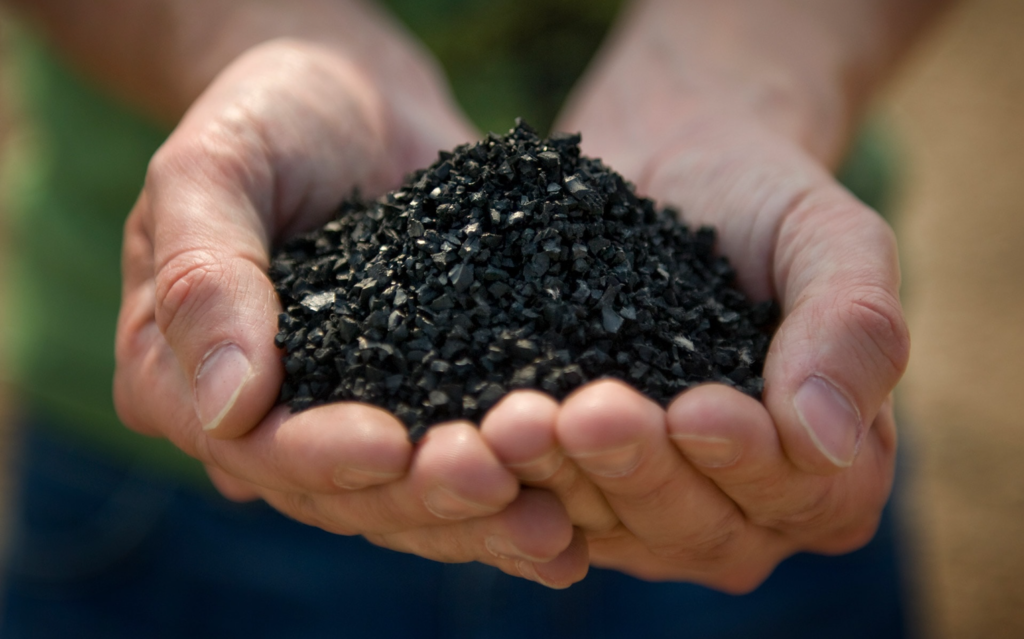
SBR rubber granules are commonly used as an infill material in sports turf systems. They help improve shock absorption, surface cushioning and impact protection, making them suitable for high-use sports applications where safety and comfort are important.
- EPDM Rubber Granules
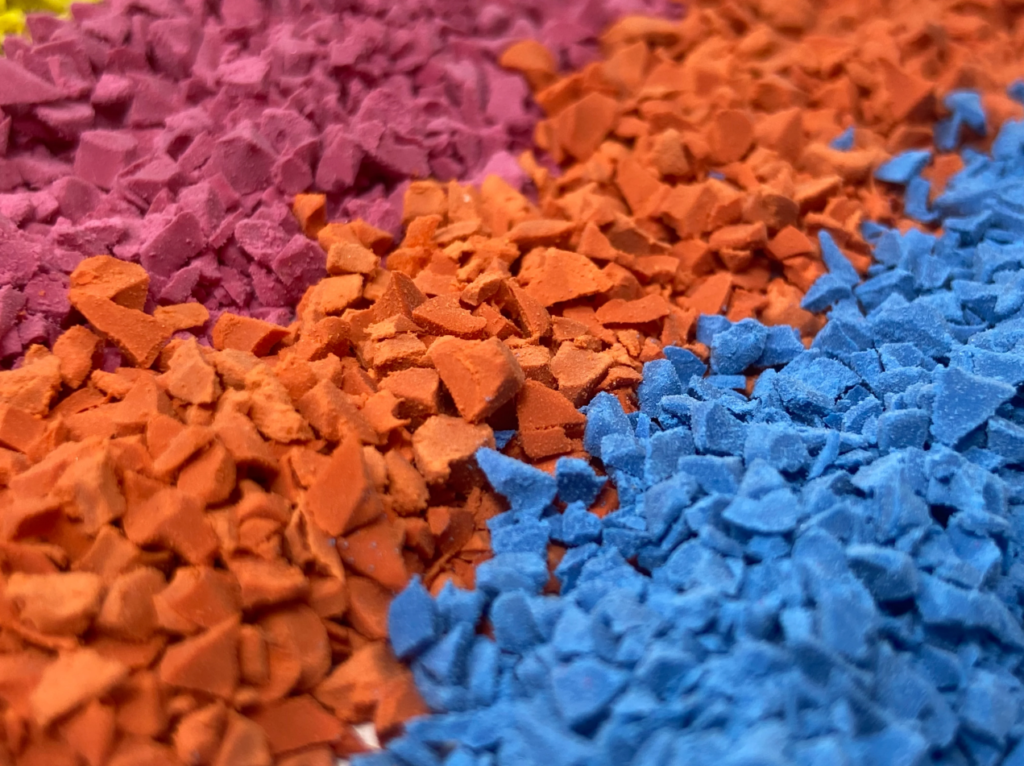
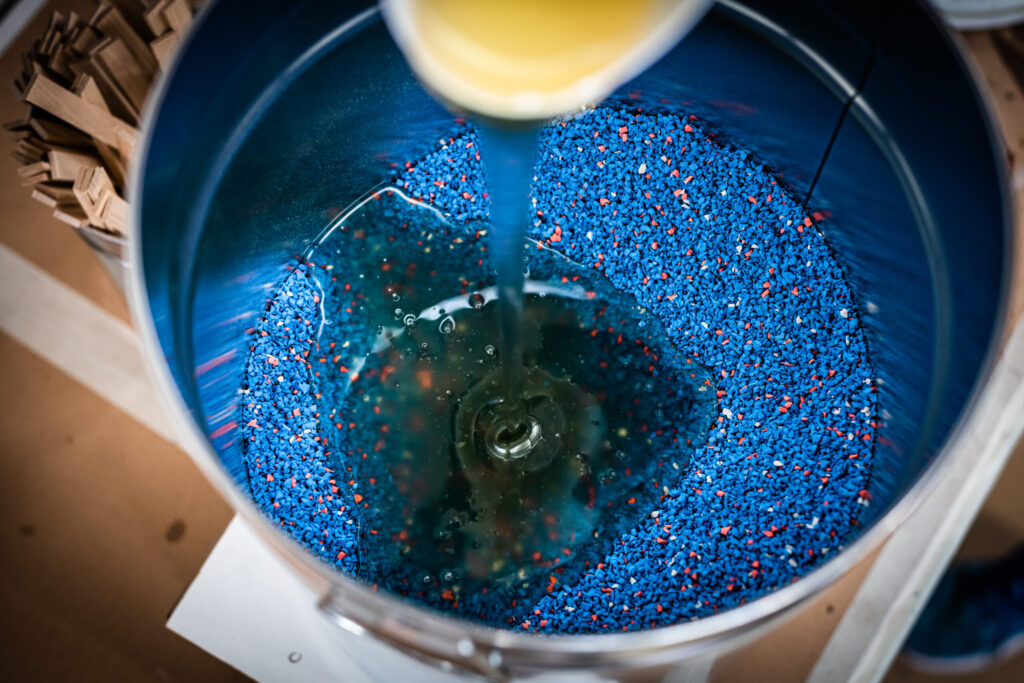
EPDM rubber granules are used in selected artificial turf systems where enhanced performance and durability are required. With excellent elasticity, weather resistance and color stability, EPDM can improve cushioning and comfort, making it suitable for sports fields, playgrounds and premium recreational surfaces.
Choosing the right infill system depends on the application, performance requirements and overall turf design. If you are unsure which infill option is suitable for your project, Contact Rubflo for professional recommendations based on your requirements.
Key Benefits of Artificial Turf
Many project owners choose artificial turf to overcome common challenges of natural grass, such as high maintenance requirements, water consumption, and inconsistent surface performance.
The main benefits include:
▪ Low Maintenance Requirements
Compared with natural grass, artificial turf requires significantly less routine maintenance. It does not need regular mowing, watering or fertilizing to maintain a clean and consistent appearance. This makes it suitable for projects where reducing maintenance work and long-term upkeep requirements is a priority.
▪ Water Efficiency
Artificial turf can help reduce irrigation requirements compared with natural grass, making it a practical option for areas where water conservation is important. By maintaining a green appearance without regular watering, artificial turf is widely used in landscapes, recreational spaces and other outdoor environments.
▪ Durable Performance
Artificial turf is designed to withstand repeated use and outdoor exposure. The combination of suitable fiber materials, backing systems and installation methods helps maintain surface performance over time. Depending on the application, features such as UV resistance, wear resistance and drainage performance can support long-term durability.
▪ Consistent Appearance
Natural grass appearance can be affected by seasons, weather conditions and maintenance practices. Artificial turf provides a stable visual appearance throughout the year with minimal variation. Different fiber colors, shapes and densities also allow artificial turf to achieve a more natural look for different design requirements.
Common Applications of Artificial Turf
Artificial turf can be used in a wide range of environments, from sports facilities to landscape projects and recreational spaces. Different applications require different levels of durability, comfort, appearance and maintenance performance.
Sports Turf Applications
Sports turf is designed for areas where durability, safety and surface performance are important. Compared with traditional grass, artificial turf can provide a more consistent playing surface while reducing maintenance requirements under frequent use.
Key considerations for sports applications include:
- Durability and fiber recovery – The turf should withstand repeated use while maintaining surface quality and appearance.
- Shock absorption and comfort – Suitable turf systems should provide cushioning and support a safer playing environment.
- Surface performance – Factors such as traction, ball roll and overall consistency are important for sports applications.
For sports fields and training facilities, artificial turf is usually combined with suitable backing structures and infill systems, such as silica sand, SBR or EPDM rubber granules, to achieve the required performance.
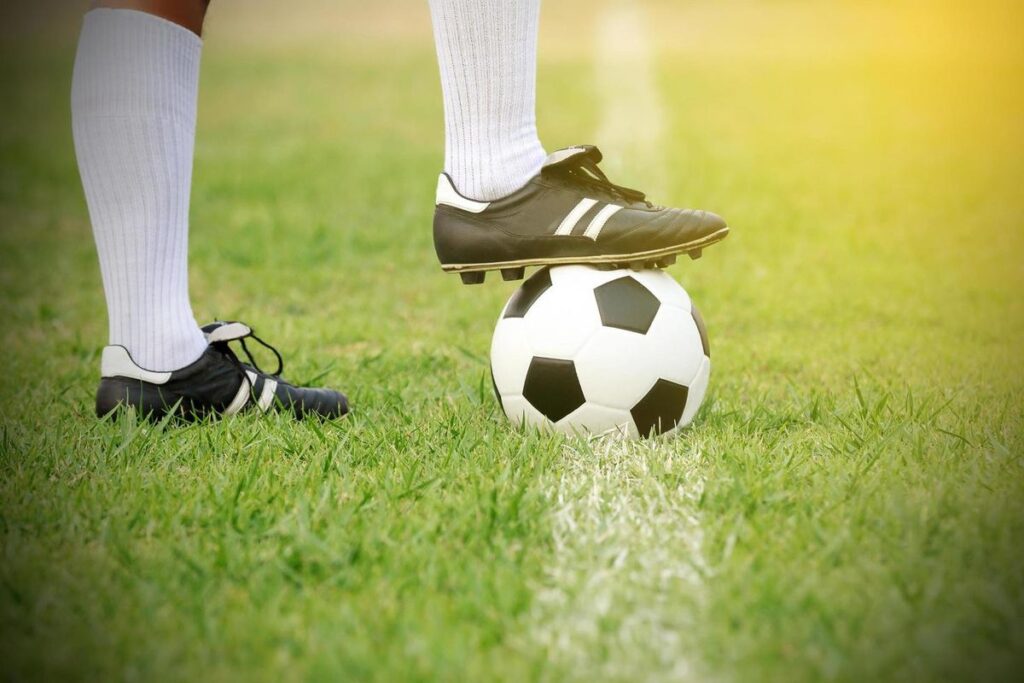
Rubflo’s artificial turf solutions feature PE or PE+PP yarn options with customizable pile heights, densities and gauges for different sports applications. Depending on performance requirements, the turf can be supplied as either an infilled or non-infilled system.
Landscape Turf Applications
Landscape turf is widely used for creating attractive outdoor spaces with a natural grass appearance while reducing regular maintenance requirements. Compared with natural grass, artificial turf helps maintain a consistent green appearance without frequent mowing, watering or seasonal maintenance.
Key considerations for landscape applications include:
- Natural appearance – Fiber shape, color variation and density all influence how closely the turf resembles natural grass. A well-designed turf system can create a more realistic and visually appealing landscape surface.
- UV resistance and weather durability – Outdoor landscape turf is exposed to sunlight, rain and changing weather conditions. Good UV resistance helps maintain color stability and long-term appearance.
- Low maintenance requirements – Artificial turf reduces the need for mowing, watering and seasonal maintenance, making it suitable for projects where consistent appearance and easy care are important.
For landscape applications, the ideal turf selection depends on the project environment and desired visual effect. Softer PE fibers, suitable pile height and proper drainage performance are commonly considered to achieve a balance between natural appearance, comfort and outdoor durability.
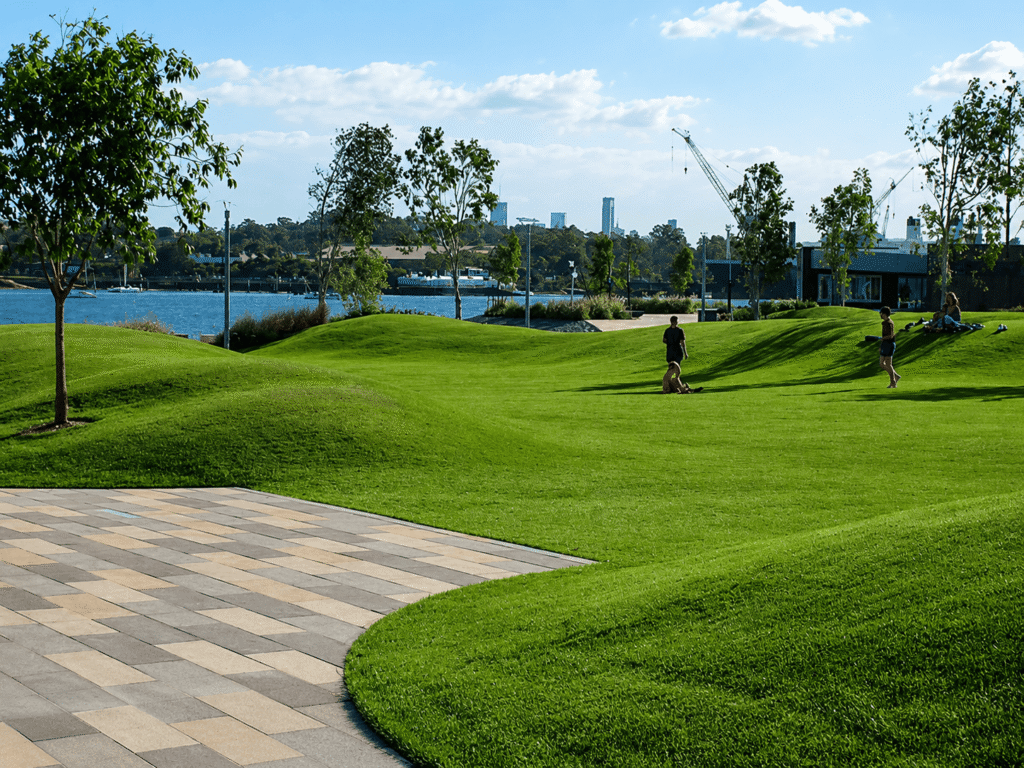
Rubflo’s landscape turf is available with PE straight yarn and PP curled yarn options, with different pile heights, densities and color combinations to create natural-looking surfaces for various landscape applications.
A reliable backing and drainage system helps maintain long-term outdoor performance, while features such as UV resistance and safety compliance support durability in different environments.
Leisure Turf Applications
Leisure turf is designed for recreational spaces where comfort, appearance and user experience are important. Unlike sports turf, leisure applications do not typically require intensive performance characteristics, but the surface should provide a comfortable and attractive environment for daily activities.
Key considerations for leisure applications include:
- Comfort and softness – Leisure spaces often involve direct contact with users, so a softer surface with a comfortable feel can improve the overall experience.
- Visual appeal and design flexibility – Artificial turf can help create welcoming recreational environments through different colors, textures and landscape designs.
- Practical performance and easy maintenance – Leisure areas benefit from turf solutions that maintain a clean and attractive appearance with minimal upkeep.
For leisure applications, the priority is usually a balance between comfort, appearance and practical performance. Softer PE fibers, suitable pile height and a well-designed backing structure can provide a more comfortable surface for walking, sitting and recreational activities.
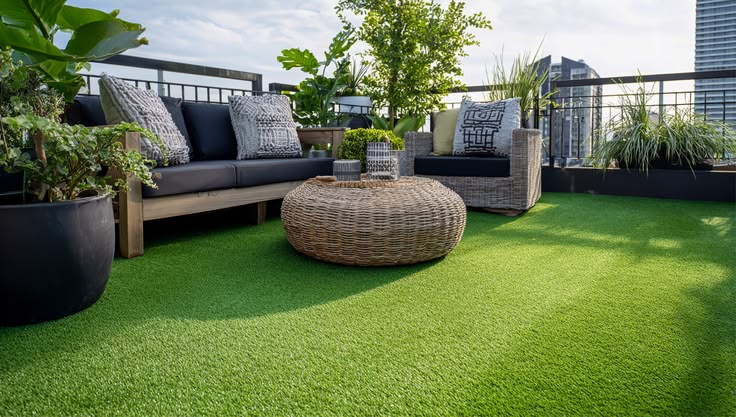
Rubflo’s leisure turf combines PE straight yarn and PP curled yarn options with different pile heights and densities to create comfortable and natural-looking surfaces for recreational applications.
Designed with reliable backing, drainage and UV-resistant performance, it provides a durable and low-maintenance solution for outdoor leisure spaces.
Conclusion
Artificial turf has become a practical and versatile surfacing solution for sports, landscape and recreational applications. The right turf system depends on the project requirements, application needs and expected performance.
Whether you need help selecting a suitable artificial turf solution or evaluating your project requirements, Rubflo is here to support you. Contact Rubflo to discuss your needs and find the right solution for your application.